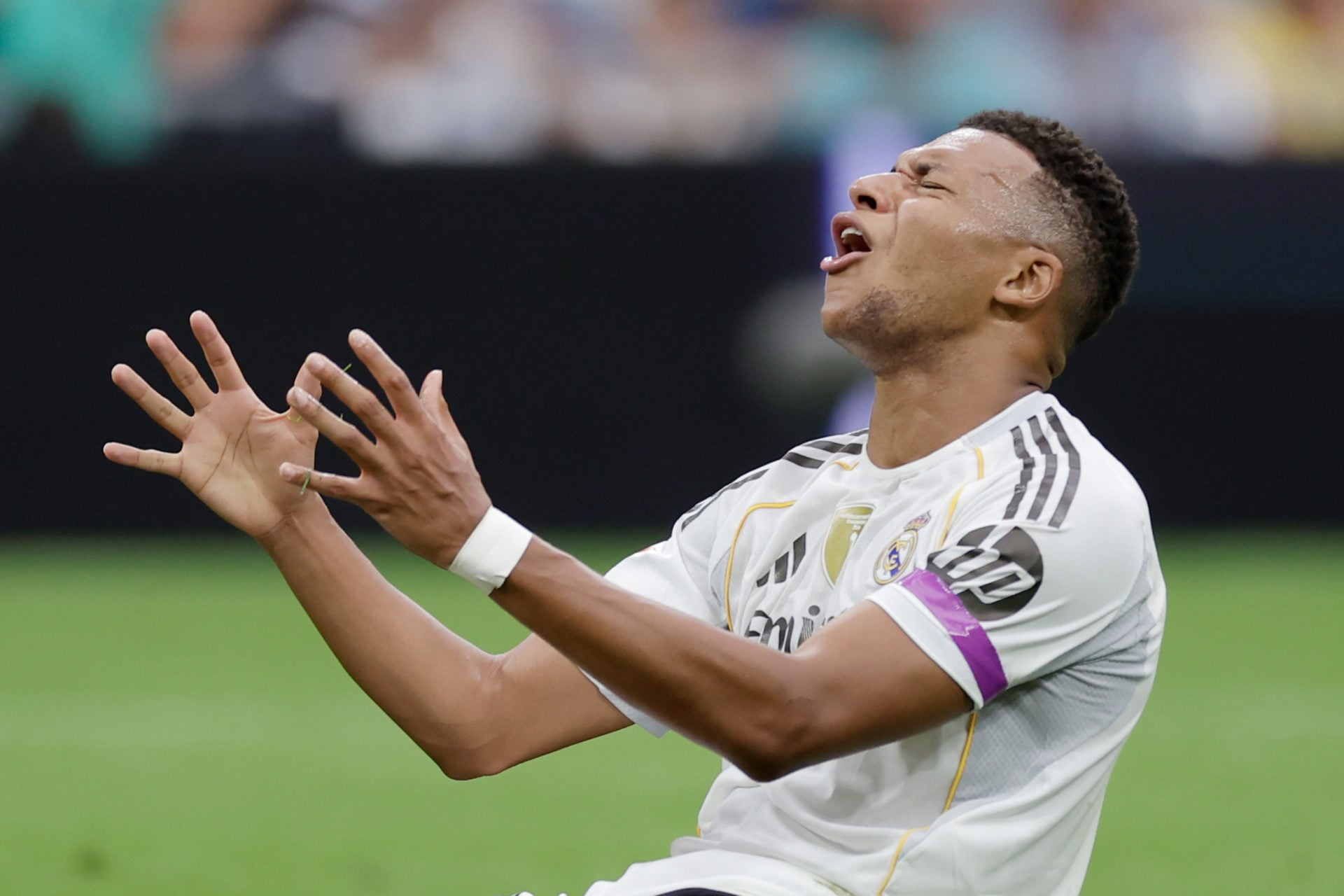
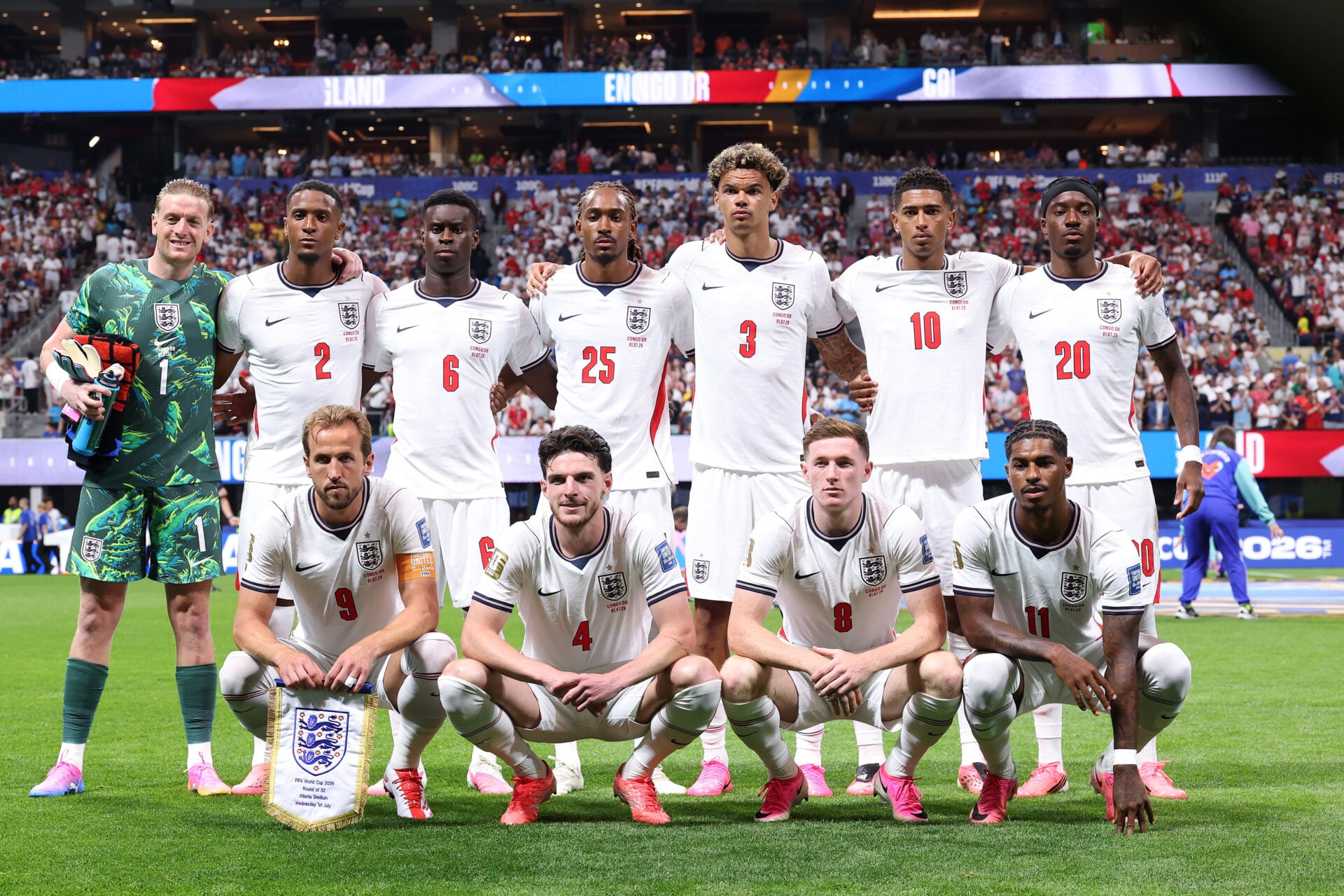
According to FIFA’s tournament statistics, Madueke ranks among the leaders in receptions, placing third overall with 15. He sits level with Vinícius Júnior and trails only Sadio Mané (18) and Kylian Mbappé (16) in this category. This shows a consistent ability to receive and hold play in dangerous zones, helping England sustain attacks even when the team isn’t fully converting chances.
Prior to and at the outset of the tournament, Madueke’s role and potential were already the subject of debate. Some observers questioned his suitability for the World Cup squad, making his performances all the more scrutinized. Yet, throughout the campaign, his off-ball movement has stood out at times. He demonstrates a good sense of when to make runs, times his advances effectively, and frequently finds space behind opposing defenses. This kind of movement is especially valuable when paired with a striker like Harry Kane, who can exploit pockets of space created by intelligent runs from teammates.
The challenge, however, lies in final product. While the movement and off-ball work are clear positives, translating that into goals and assists has been inconsistent. Madueke started three of England’s four group-stage matches. In the match against Croatia, he was singled out for praise, with some observers suggesting he was among England’s best performers on the night. In contrast, the performance against Ghana reflected the team’s overall attacking struggles, making it harder to showcase individual influence.
There has been some online criticism following the DR Congo game, despite Madueke contributing the most chances created (three) and completing the most dribbles (three) in that fixture. One notable moment involved a cross that set up a clear opportunity for Jude Bellingham, whose close-range header was saved by the goalkeeper. While the execution in that moment didn’t result in a goal, it underscored the potential impact of Madueke’s service and movement.
The broader takeaway is that Madueke is delivering in two key areas: movement and creativity. He is often in the right places to receive the ball and create space for teammates. The remaining hurdle is converting that pressure into tangible scoring contributions. In a World Cup, where decisive finishes often define a tournament, finishing quality and finishing timing can be the deciding factors between a strong showing and a fleeting impression.
Analysts have drawn parallels between Madueke and Mbappé, particularly in the way Mbappé built his reputation on making runs to stretch defenses and exploiting space behind lines. Madueke’s runs and positioning align with this model in principle. He has shown the ability to operate in behind defenses and threaten with pace and direction, but the final touch—finishing or providing the decisive assist—has yet to consistently materialize.
As England prepares for the next round, a potential shift in roles could influence Madueke’s involvement. Bukayo Saka is a versatile option who can complement or supersede Madueke in certain tactical setups. If Madueke can translate his off-ball movement into more goal threats and reliable distribution in the final third, his value to the team could rise significantly. The data supports his capability to influence games through movement, but the ultimate measure remains: can he convert opportunities into goals and decisive assists?
In summary, Madueke’s World Cup campaign showcases a player who excels in the nuanced aspects of attacking play—timing, space exploitation, and creative intent. The end product, while not always present, is within reach. If he can couple his movement with clinical finishing and timely final passes, he could still play a pivotal role for England as the tournament progresses, potentially silencing critics who question his impact.