As of early July, the prevailing sentiment in multiple circles suggested little shift in LeBron’s market. The Warriors and Cavaliers were frequently cited as the frontrunners, with several insiders noting that only those two organizations seemed to align with what LeBron seeks in a final chapter: a combination of strong culture, established chemistry, and a path to sustained contention.
One veteran observer summarized the situation this way: it’s a near 50/50 proposition between Golden State and Cleveland, with other teams unlikely to offer the same immediate alignment. The Warriors’ appeal lies in a shared history with LeBron, a familiar coaching staff, and the on-court fit among star teammates who can amplify his strengths. The Cavaliers, meanwhile, offer a homecoming narrative and a chance to rejoin a franchise that helped catapult him to major career milestones.
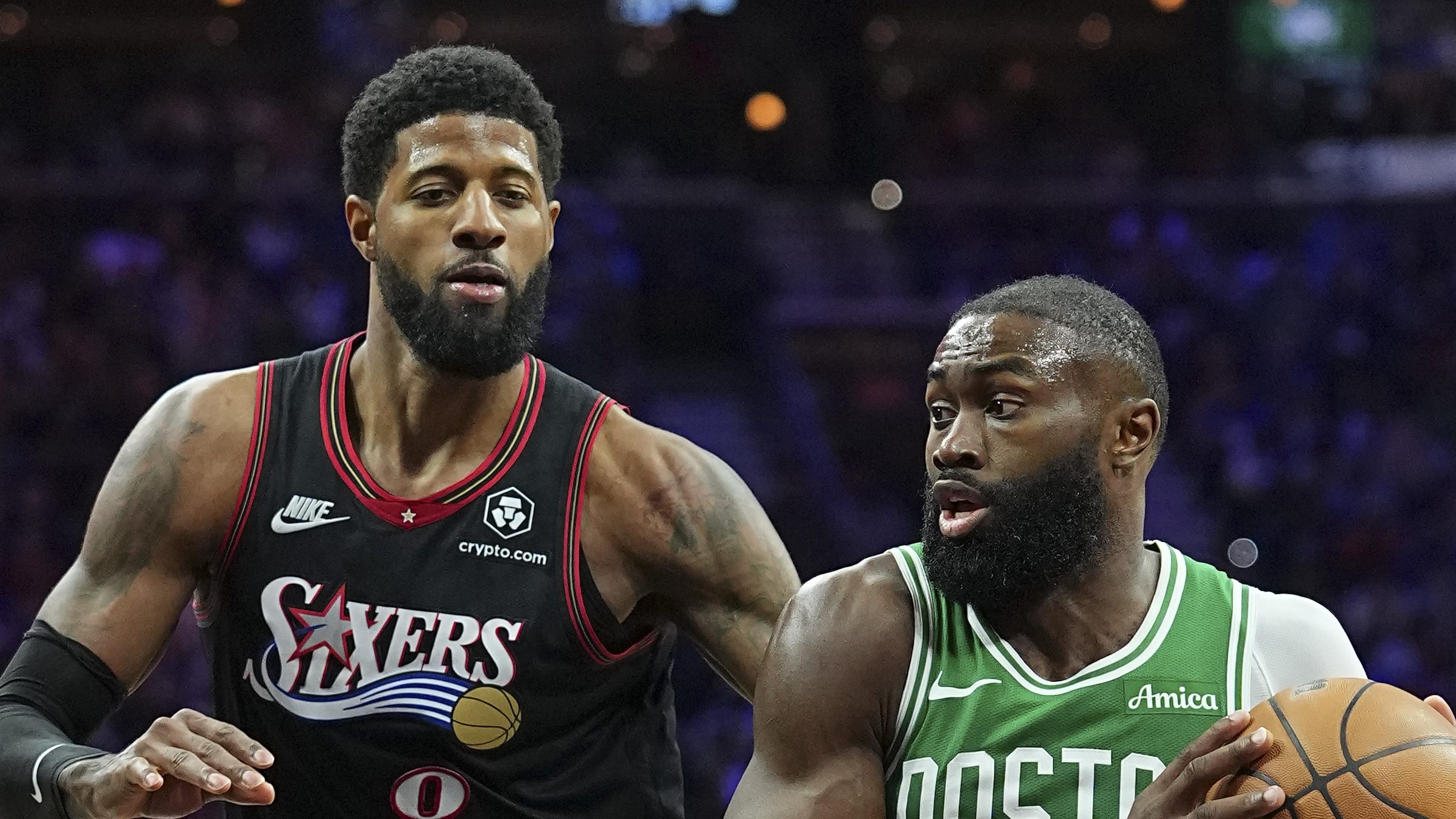
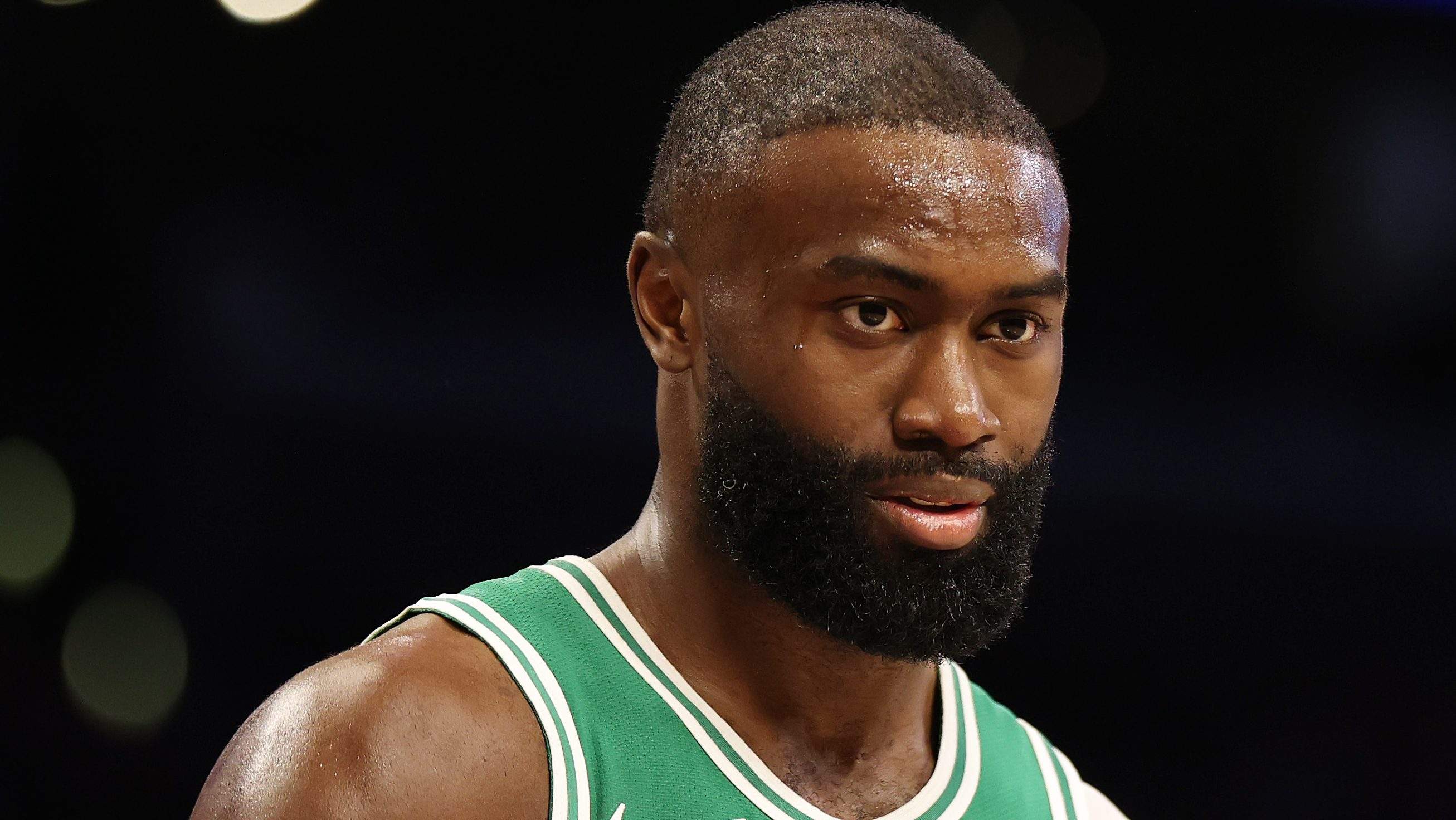
The Philadelphia 76ers, however, presented a compelling alternative for several reasons. From a basketball perspective, Philadelphia boasted a roster capable of competing for a deep postseason run when healthy. The presence of Tyrese Maxey, a player under the Klutch Sports umbrella, provided a dynamic backcourt partner and a young core around which a championship window could be constructed. Joel Embiid, a former MVP, added another elite piece, while Jaylen Brown’s addition to the mix provided additional star power and playoff pedigree. A rising talent like VJ Edgecombe hinted at long-term potential behind the established stars.
Nonetheless, there were meaningful caveats for a move to Philadelphia. Health concerns had repeatedly challenged the Sixers, particularly around Embiid, and the city’s geographic and market size posed a different lifestyle proposition compared with California. LeBron’s quest for “basketball happiness” suggested that the comfort level and daily atmosphere would matter as much as on-court fit. In that context, the Sixers could offer compelling basketball reasons to consider their bid, but intangible factors—such as location preference and personal happiness—could tip the scales toward other destinations.
Beyond the obvious contenders, other teams were mentioned as potential fits in hypothetical discussions. Yet in most analyses, those alternatives did not appear as plausible long-term matches for LeBron’s late-career goals. The narrative continued to point toward two primary destinations with the strongest case: Golden State for culture, chemistry, and proven championship pedigree; and Cleveland for a homecoming story that could reignite a familiar competitive fuse.
Looking at the big picture, the Sixers’ exploration of LeBron James as a target underscored a broader reality: teams with deep, star-led rosters are always part of the conversation when a veteran superstar becomes available. The Sixers were doing their due diligence, casting a wide net to evaluate whether LeBron could be the missing piece to push the franchise into elite status. As with all free-agent pursuits, however, final outcomes depend on a convergence of factors—contract terms, role clarity, the surrounding roster, and personal priorities that extend far beyond basketball.
For fans and analysts, the central takeaway is that LeBron’s free-agent decision would hinge on both basketball fit and life satisfaction. The Warriors offered familiarity and a proven system designed for sustained success, while the Cavaliers presented a nostalgic but potentially transformative opportunity back home. The Sixers’ bid, while earnest and rooted in solid basketball logic, faced the challenge of persuading a superstar to depart from California’s appeal and to embrace a different city’s lifestyle.
As negotiations and rumors continued to swirl, the overarching theme remained clear: the LeBron James free-agency narrative is not a simple ladder-climb to a single destination. It is a nuanced, multi-team debate driven by personal preferences, team-building dynamics, and the evolving landscape of the NBA. Fans should expect ongoing discussions, with fresh developments likely as teams position themselves for potential cap space, strategic acquisitions, and the ever-important question of whether LeBron’s next chapter would be written in the warmth of the West Coast, the nostalgia of a Cleveland return, or somewhere wholly unexpected.
In short, while the 76ers made a notable push and generated considerable buzz, there was no definitive answer about mutual interest, and no clear frontrunner beyond the two traditional favorites. The NBA’s offseason always thrives on intrigue, and this summer’s LeBron James sweepstakes proved to be a prime example: the most compelling storyline involves not just which team lands him, but how the surrounding organization adapts to maximize his impact and how LeBron himself navigates a final act defined by both legacy and personal happiness.