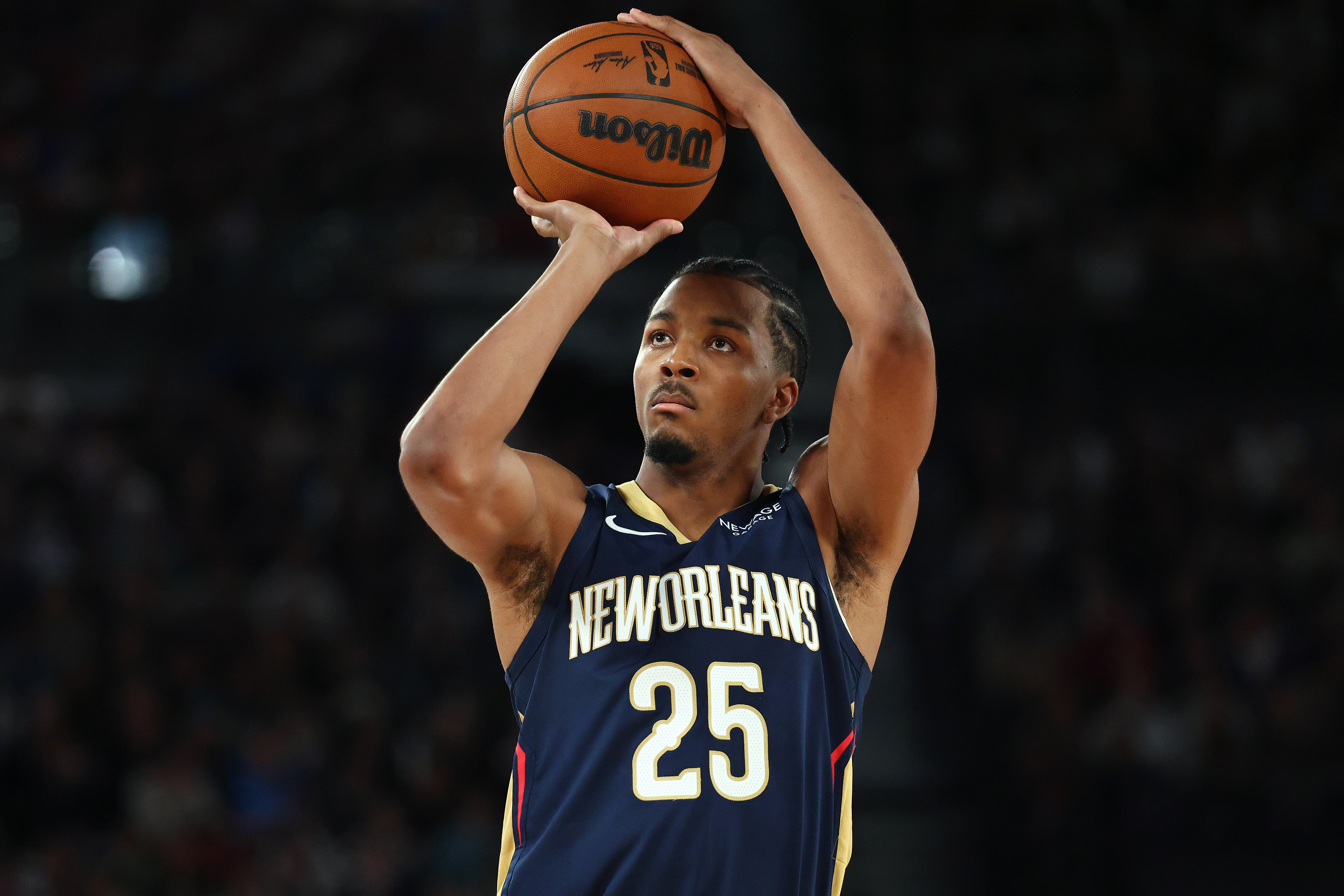
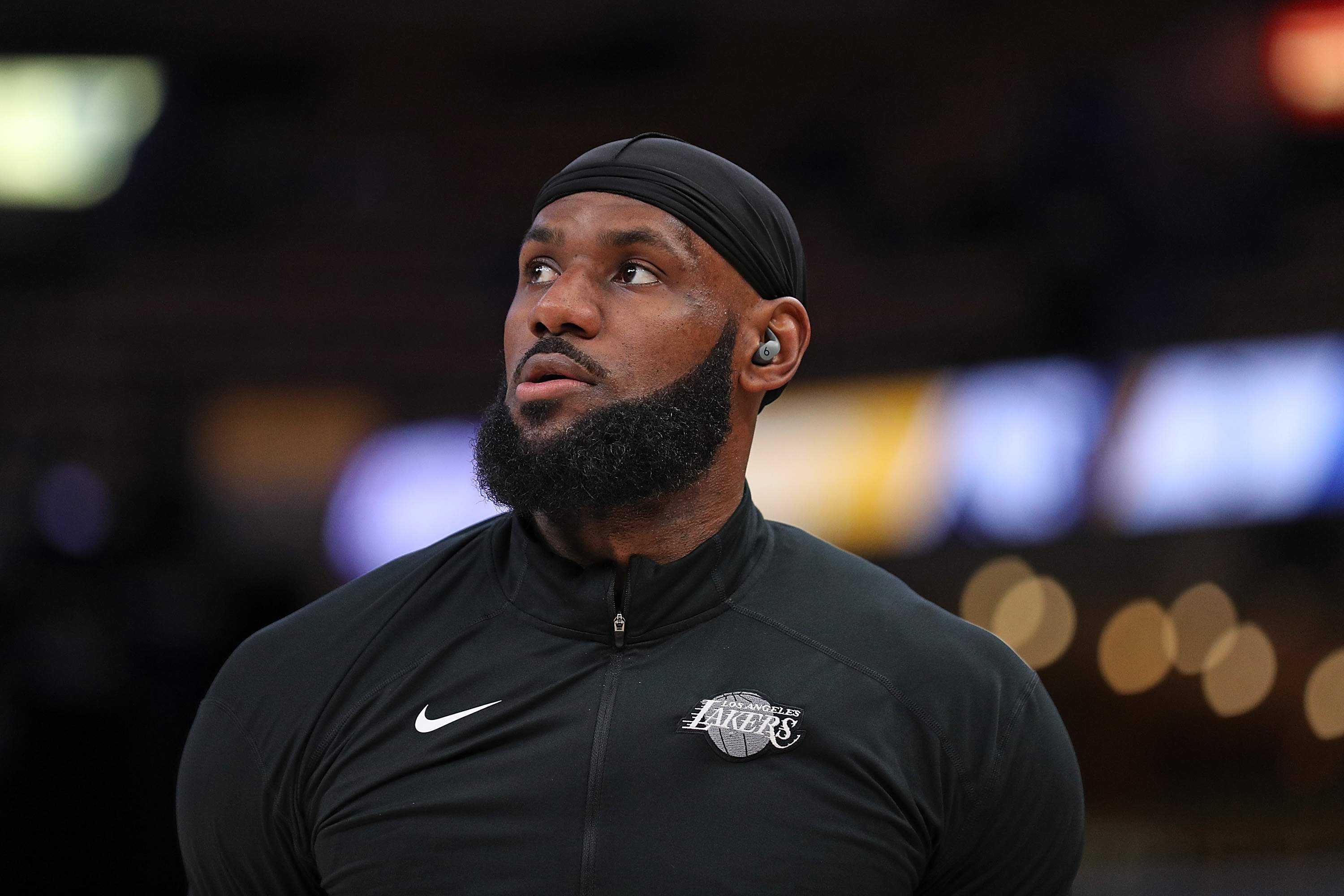
Evaluating the package, George stands out as a high-impact two-way player. At 36 years old, he carries an extensive resume, including nine All-Star selections and a proven ability to affect both ends of the floor. In recent seasons with Philadelphia, he appeared in 78 games across two years, though his availability was affected at times by suspensions and injuries. In those appearances, he posted solid numbers, averaging 17.3 points and 5.3 rebounds per game. For a team looking to stay competitive while developing younger pieces, George represents a bridge veteran—someone who can contribute immediately but whose long-term value may depend on health and fit within a broader rebuilding or retooling plan.
The Celtics, meanwhile, are not treating George as a franchise cornerstone. The front office is clearly signaling a longer horizon for roster construction, acknowledging that George is a veteran contributor whose best days might be behind him. Boston pivoted by divesting a 29-year-old cornerstone in Brown for a package that includes not only the veteran forward but also significant draft capital and the ability to maneuver financially. This combination of draft picks and cap space gives the Celtics flexibility to shape the roster around younger stars and emerging talents while remaining a playoff contender.
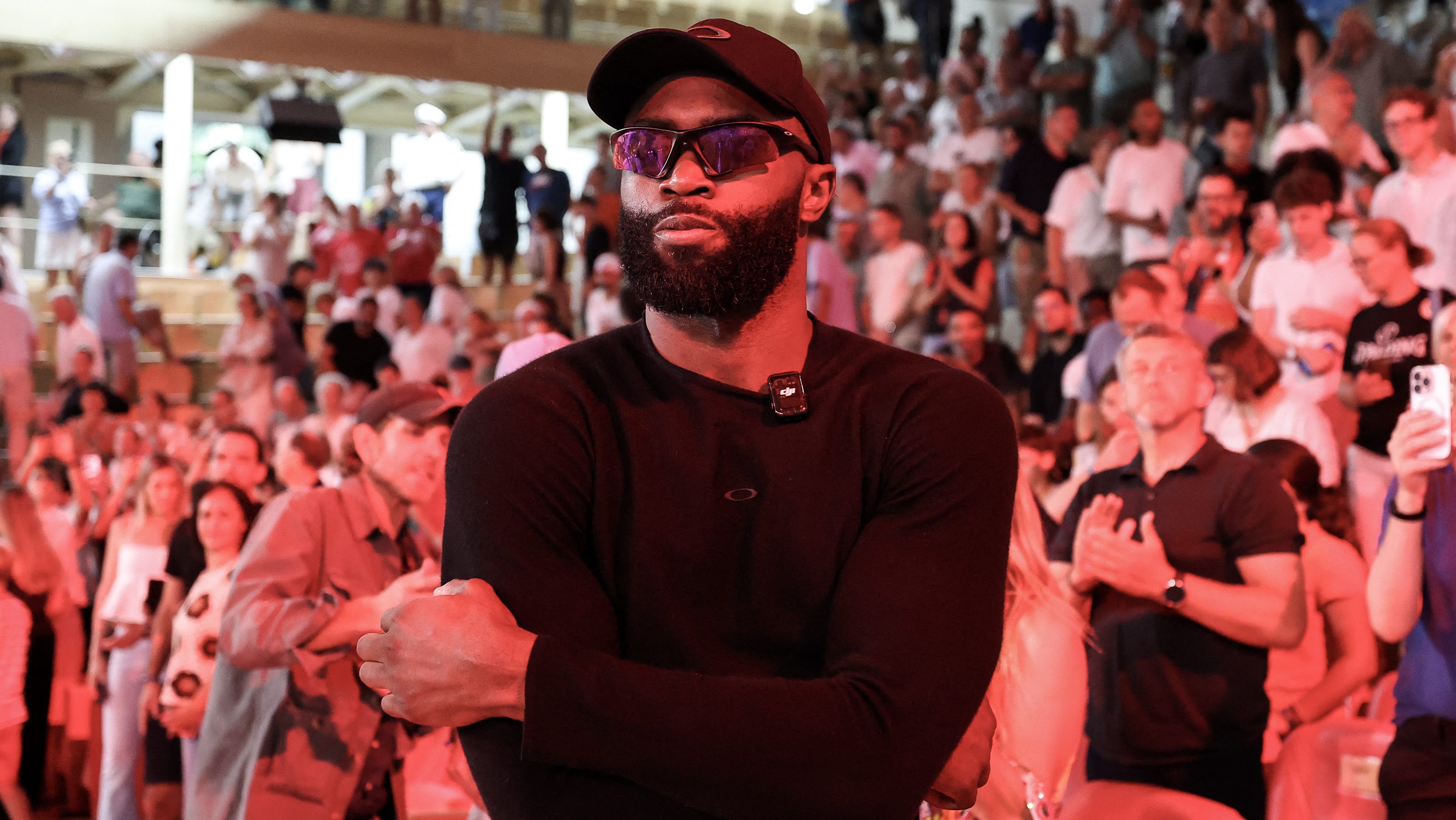
Brown’s exit is a notable moment for the Celtics’ rebuild timeline. His departure removes a dynamic, high-upside creator from the roster but opens opportunities for other wings to step into larger roles. Brown had established himself as a two-way threat and a trusted scorer, earning respect for his competitive spirit and consistent performance. His farewell sentiment toward George, shared publicly in various formats, reflected a respectful acknowledgment of the caliber of player Boston acquired and the realities of the current NBA landscape. The public exchange underscored the maturity with which players handle the business side of the sport, even as headlines race ahead.
From a strategic perspective, the trade raises several questions. How quickly can George integrate into Boston’s system, especially with a roster that includes emerging young talents and established veterans? Will his presence provide the veteran leadership and on-court punch the Celtics need to maintain competitiveness as younger players gain experience? And how will the two extra first-round picks and two second-round selections be deployed in future drafts? The answers will shape how this deal is judged in the medium and long term.
There is also a broader context to consider. Transactions of this magnitude often reflect a team’s willingness to pivot midstream in pursuit of balance—combining window opportunities with the potential for future growth. For the Celtics, the move signals a willingness to blend veteran know-how with a still-developing core. For the 76ers, adding a player of George’s caliber could accelerate their own competitive timeline, especially if they can optimize fit alongside their existing core and leverage his playoff experience to push deeper into the postseason.
As the season unfolds, much of the conversation will center on how well George adapts to Boston’s schemes and how the younger players respond to the new dynamic. The draft assets add a cushion for the franchise to adjust on the fly, enabling selective acquisitions or future trades if the team identifies better long-term fits. The trade’s immediate reception is mixed, with enthusiasm tempered by caution, as always with moves that alter the core of a contending team.
In the end, the Celtics’ decision reflects a willingness to reassess where they stand relative to rival teams and to recalibrate their path toward consistent championship contention. Jaylen Brown’s departure marks the end of a chapter, but the arrival of Paul George brings a fresh set of possibilities. The true measure of the deal will come from how smoothly the integration unfolds, how effectively the team leverages its added draft capital, and whether the roster can sustain a high level of play through the grind of a demanding season.
Fans and analysts will be watching closely as the season progresses. The basketball world loves a bold move, and this one certainly qualifies. The Celtics have charted a new course, balancing proven experience with the potential for growth, while the 76ers gain a star-level contributor who could help push their championship ambitions forward. The coming months will reveal how these strategic choices translate into on-court success and long-term sustainability for both organizations.