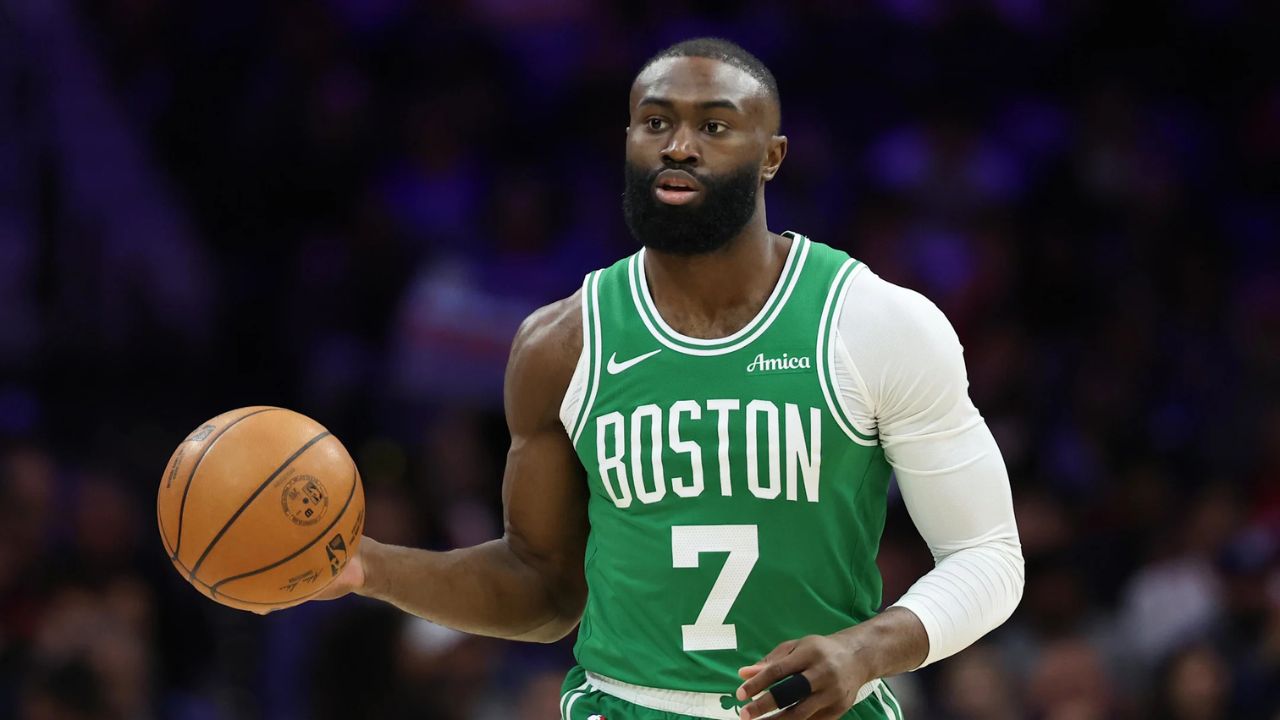
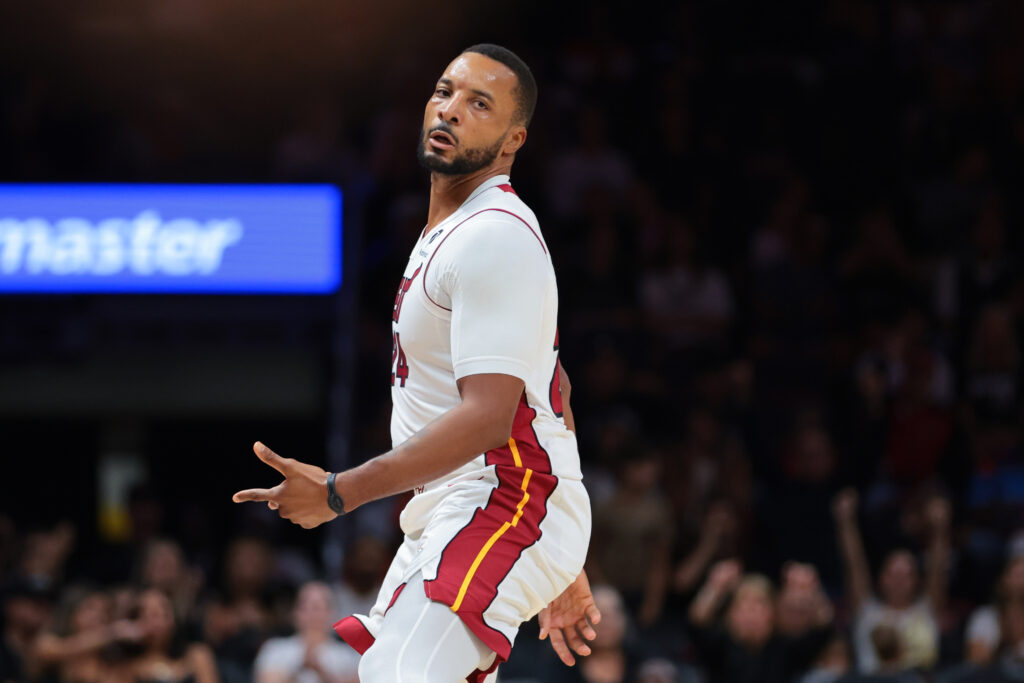
According to Simmons, Giannis was open to joining the Celtics, but he sought a three-year contract worth about 35% of the salary cap. In contrast, Boston’s offer was a two-year deal at roughly 30% of the cap. The stalemate over the extension ended up derailing the trade to Boston, and Giannis reportedly then agreed to a trade with the Miami Heat.
This sequence suggests a striking mismatch between Giannis’s desired contract and the Celtics’ offer. It is noted that Giannis would have been joining a Celtics franchise already featuring a two-time MVP and a Finals MVP, recognized as one of the league’s elite two-way players.
Another layer to the situation is that Boston was preparing to move Jaylen Brown, a player under a contract at 35% of the cap, yet the team did not extend a similar offer to Giannis. Once extension talks stalled, Giannis apparently approved the Miami trade option. The Celtics later shifted course in a dramatic fashion, moving Brown in a blockbuster deal to the Philadelphia 76ers in exchange for Paul George and draft considerations—a move that drew criticism and discussion regarding its return and timing.
Brad Stevens, widely regarded for his leadership and recognized with Executive of the Year honors for the 2025-26 season, faces questions about whether a missed opportunity involving Giannis represents a notable misstep. The Celtics have remained a consistent presence in the Eastern Conference, and there is ongoing speculation that they could still pursue moves to re-enter the contender tier. Nonetheless, this episode is often cited as one of the most notable “what-if” moments in the franchise’s recent history.
The overarching takeaway is that championship ambitions can hinge as much on contract negotiations as on on-court personnel. If a team holds a trade in place but cannot bridge the gap on the most critical financial terms, a once-possible championship window can slip away.