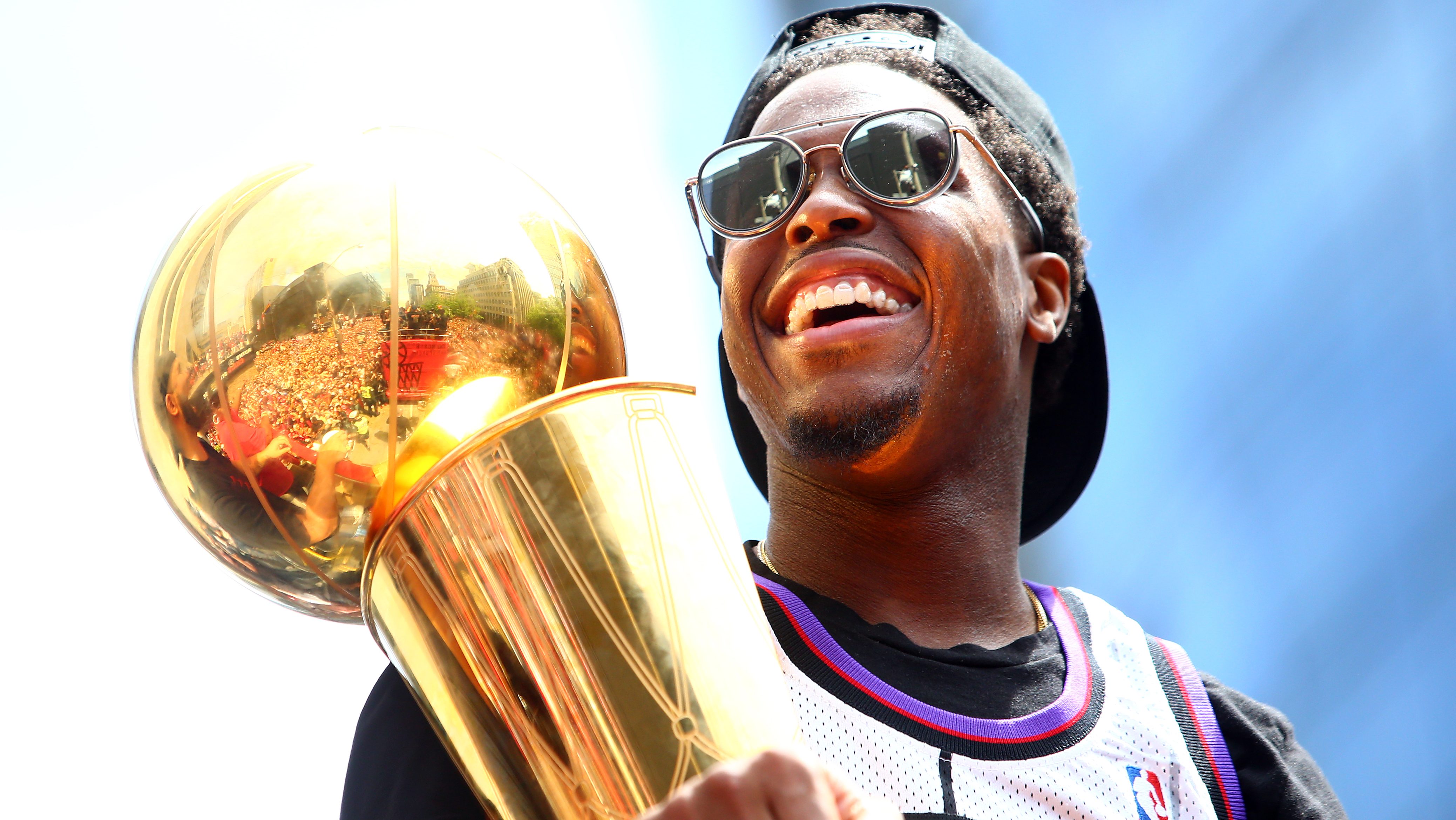
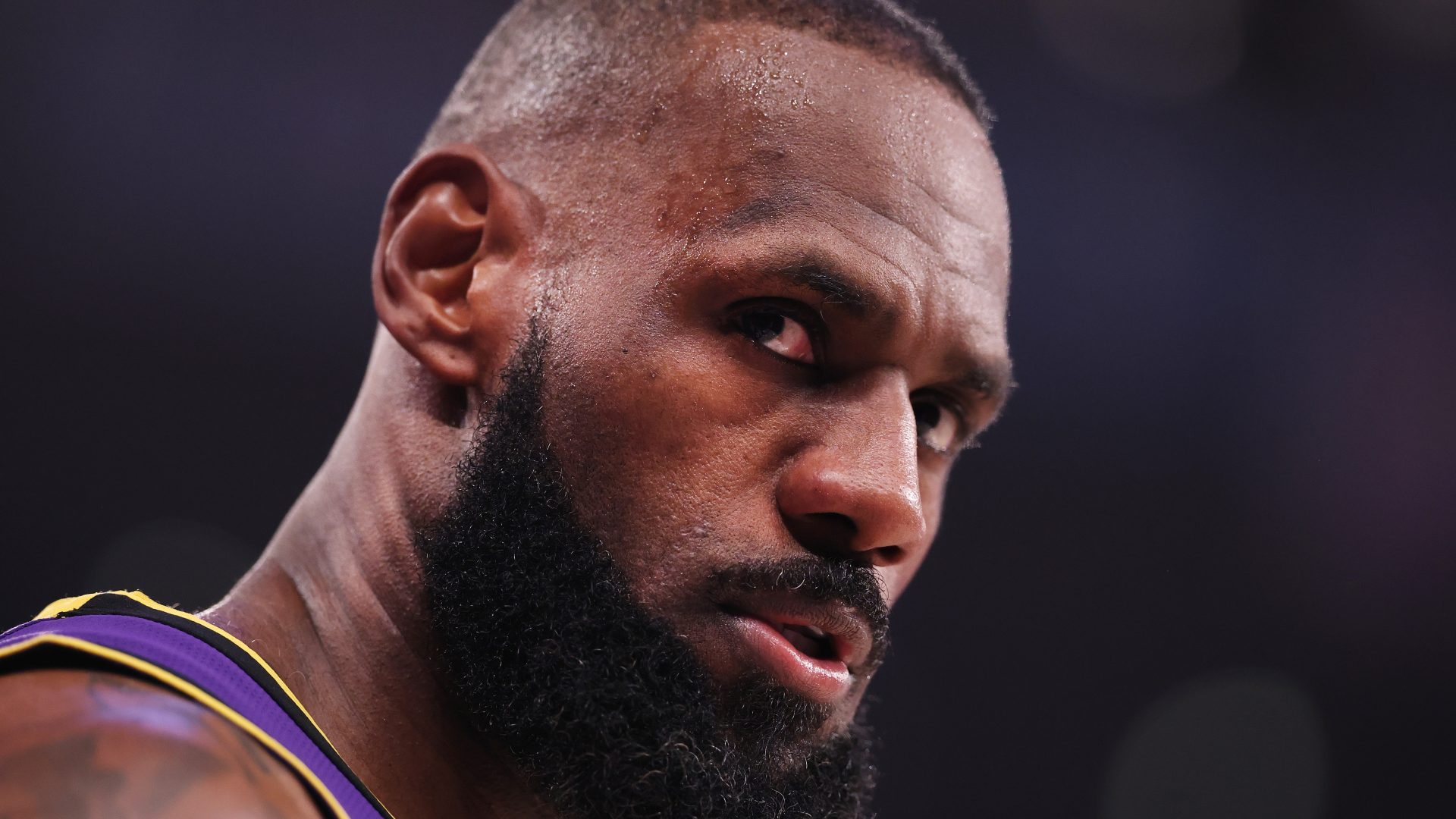
Despite financial limitations, the Lakers are reportedly exploring practical routes to add Kuminga to bolster their wing depth. Other teams, including Cleveland and Milwaukee, have also shown interest, and a return to Atlanta remains a possibility. Kuminga’s name has consistently appeared on the Lakers’ internal roster wishlist as they balance short-term needs with long-term plans around star playmaker Luka Dončić.
What makes Kuminga an attractive target is his versatility. The 23-year-old winger brings athleticism, defensive versatility, and downhill scoring ability—traits that modern teams prize for multi-positional lineups. For the Lakers, Kuminga could provide the kind of two-way impact that complements Dončić’s elite playmaking, giving the roster a credible defender on the perimeter who can rise to the moment in pressure situations.
The Lakers’ quest to upgrade around Dončić has been ongoing all offseason. They addressed a longstanding center need by acquiring Walker Kessler through a sign-and-trade, and they added Quentin Grimes, Sandro Mamukelashvili, and Collin Sexton in free agency to shore up shooting, scoring, and playmaking. Yet one key area remains unsettled: a young wing who can defend, shoot, and create off the dribble. Kuminga fits that profile, and his performance with Atlanta after being traded midseason underscored his potential. In 36 regular-season games with the Hawks, he averaged 12.2 points, 5.6 rebounds, and 2.3 assists on 46.3% shooting. In the playoffs, his output remained productive, and he delivered notable contributions against strong competition, including a couple of standout playoff performances that highlighted his scoring ability and impact on both ends of the floor.
The challenge, however, is the cap and the lack of premium draft capital. The Lakers have already moved significant assets to reshape the roster, including a sign-and-trade for Kessler and multiple draft-related moves. With limited future first-round picks available and only a 2032 first-round pick swap plus a single future second-round pick in their arsenal, outbidding competing suitors in a traditional sign-and-trade framework becomes difficult. Salary matching remains a possible path, but it requires careful negotiation to assemble a package that satisfies Kuminga’s value while adhering to the financial constraints of the Lakers’ books.
Experts have outlined the most realistic avenues for a Kuminga deal. One proposed route involves absorbing value from current Lakers role players to generate the necessary salary matching window, potentially involving players like Deandre Ayton, Jarred Vanderbilt, Jake LaRavia, or Dalton Knecht. Yet this approach hinges on willingness from both Kuminga and his current teams to pursue a deal that may not fully satisfy all parties’ long-term plans, especially given Kuminga’s Bird Rights and the flexibility Atlanta has wanted to preserve.
The competition for Kuminga is fierce. In addition to the Lakers, Cleveland and Milwaukee have shown interest, and the Sacramento Kings have reportedly circled back as teams reassess their wing options. Atlanta previously declined Kuminga’s $24.3 million team option to preserve financial flexibility and Kuminga’s Bird Rights, which could enable a sign-and-trade or a new contract with a different salary structure. This dynamic broadens Kuminga’s market while giving Atlanta multiple strategic paths forward.
For the Lakers, the road ahead is clear but walk a tightrope. Kuminga remains one of the league’s most intriguing young forwards, and his age aligns with a longer-term plan around Dončić. The bigger question is whether the Lakers can muster a viable framework that satisfies all sides: Kuminga’s value, the Lakers’ cap realities, and the competing bidders’ willingness to engage in a deal that benefits everyone. With cap room limited and draft capital scarce, the Lakers may need to rely on internal growth, strategic salary-matching, and compelling basketball reasoning to persuade Kuminga that Los Angeles offers the best platform for his development and a realistic shot at winning at a high level.
In the end, interest in Kuminga is robust, and the fit superficially makes sense. The decisive factor will be execution—whether the Lakers can construct a trade or sign-and-trade scenario within their financial constraints that also aligns with Kuminga’s career goals and Atlanta’s long-term plans. Until a concrete deal materializes, Kuminga will remain a high-priority, high-potential target in Los Angeles’ ongoing roster-building effort.