Background and trade details
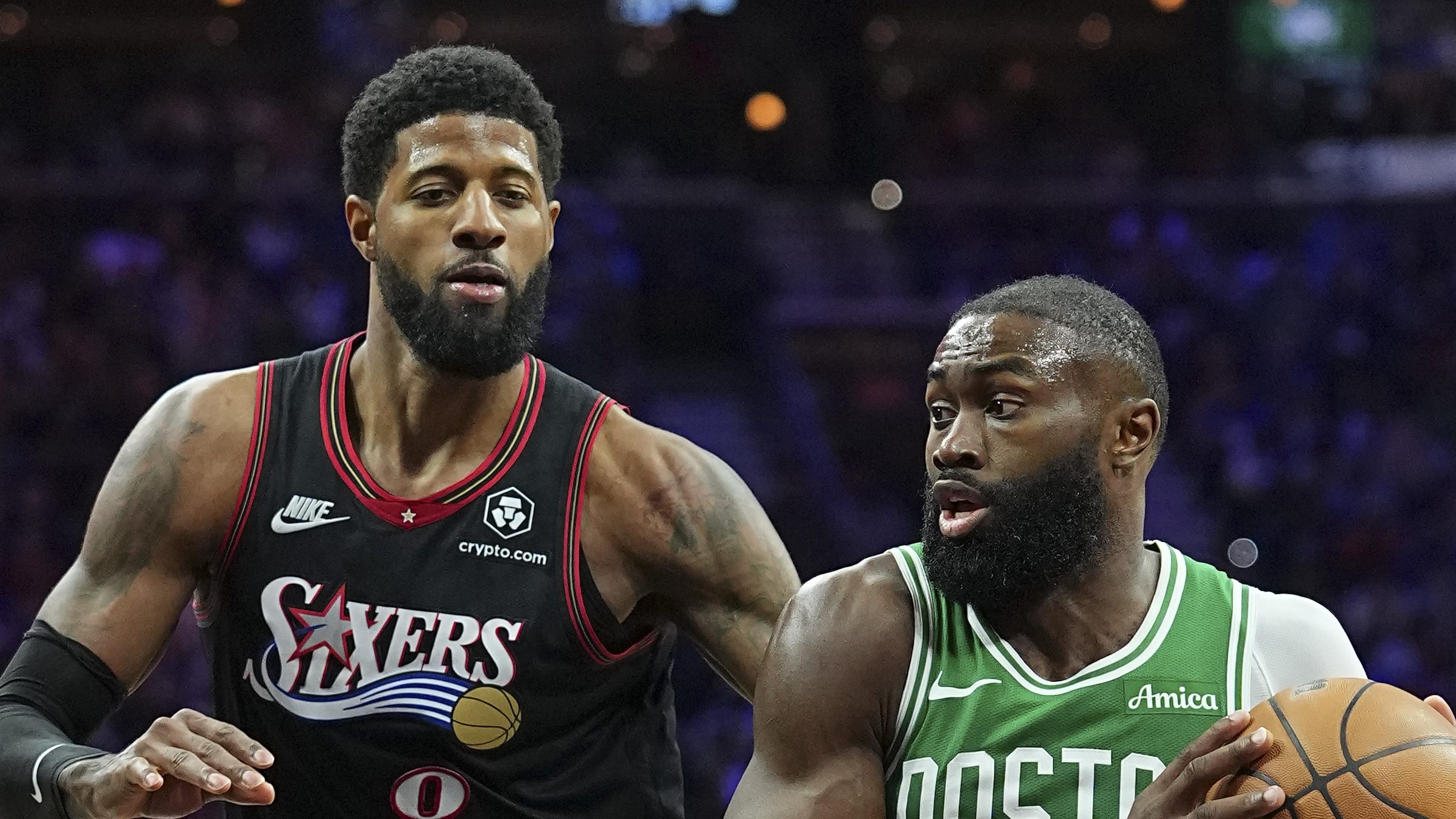
Rumors had swirled for weeks about the Celtics pursuing a blockbuster swap that could center on Brown, with Giannis Antetokounmpo sometimes mentioned as a hypothetical target in wider discussions. Although those high-profile conversations did not dictate the final outcome, the sense was that Boston was seeking a haul large enough to justify moving a core piece. In the end, Brad Stevens orchestrated a deal that sent Brown to Philadelphia in return for Paul George, plus four total first-round picks (two in the first round and two second-round picks). The trade emblemized a strategic pivot for Boston: swap a current star for a veteran scorer with current championship experience and remaining playoff impact, along with draft capital designed to fuel future development.
Assessing Paul George’s fit in Boston
George, at 36, remains a talented two-way player, though he is no longer at the peak level of his prime years. His late-career profile features strong scoring ability, steady shooting, and veteran leadership, but injuries and age have tempered his ceiling. In the 2025-26 season with Philadelphia, George appeared in 37 games, averaging 17.3 points, 5.3 rebounds, 3.6 assists, and 1.7 steals per game, while shooting 43.9% from the field and 39.2% from three-point range. In the 76ers’ playoff series against Boston, he contributed with efficient scoring (17.4 points per game) and solid shooting splits (nearly 49% from the floor and 55% from three). While George’s production can help stabilize the roster and provide a reliable scorer in crunch time, he represents a different profile than Brown—one anchored more in consistency and veteran savvy than elite athletic upside and dynamic two-way versatility.
What Brown’s departure means for the Celtics
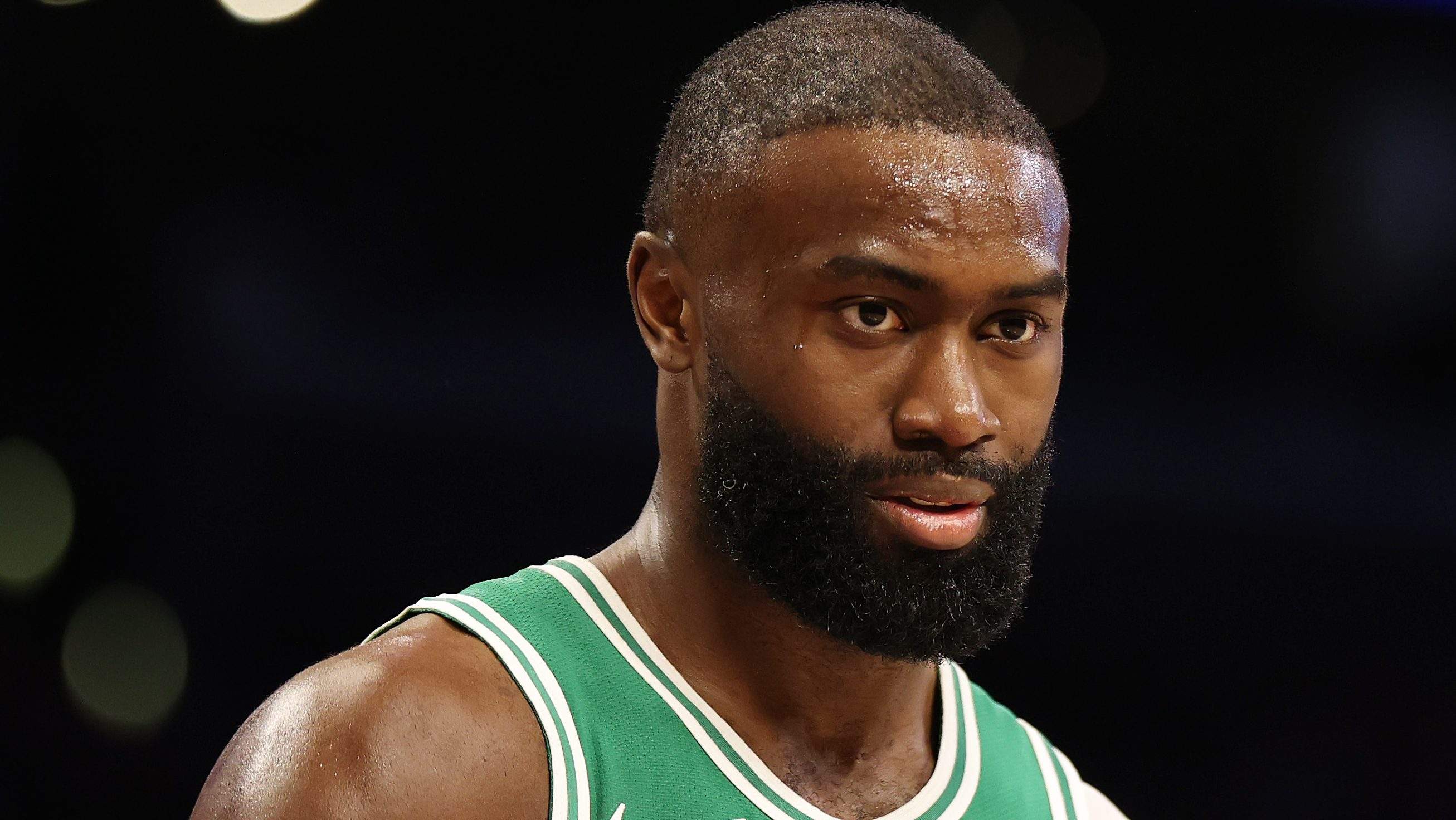
Jaylen Brown’s production in the 2025-26 season stood out: high-volume scoring, strong efficiency for a slasher and shooter, and elite on-ball aggression. He averaged roughly 28.7 points, 6.9 rebounds, 5.1 assists, and recorded a steal per game, with shooting splits around 47.7% from the floor and 34.7% from three. Losing a player with that profile creates an immediate gap in dynamic scoring, playmaking, and defensive versatility. The Celtics now face the challenge of integrating George into a system that previously revolved around Brown’s multi-positional impact and a high-usage offensive engine. The question going forward is whether George, in concert with remaining core pieces, can replicate enough of Brown’s production and energy to keep the team competitive at a high level while building toward future success.
Potential on-court impact
George’s best value comes from his experience and ability to create offense in different mid-to-upper range situations. He can contribute as a secondary playmaker, spacing the floor with his shooting threat and providing a reliable option in late-game sets. However, at this stage of his career, the Celtics will need to manage his minutes to preserve health and maximize efficiency, especially given the increased burden of scoring and decision-making that Brown previously shouldered. The younger pieces on the Celtics’ roster will need to grow quickly to fill the void, with development of role players who can attack gaps open by George’s gravitational pull and the attention it commands from defenses.
Strategic considerations for Boston
– Draft capital and flexibility: The accumulated first- and second-round picks offer the Celtics multiple avenues for future improvement, whether through targeted trades, draft selections, or asset-based moves to augment the current roster around George and remaining core players.
– Role clarity: George’s fit will depend on clear delineation of roles. The Celtics will likely lean on a balanced approach, with established shooters and capable defenders stepping into complementary roles around George’s scoring and playmaking.
– Health and durability: George’s ability to stay on the floor will be a critical variable. Ensuring he remains healthy will be essential to sustaining a productive lineup, particularly in a playoffs-focused window.
– Development pipeline: The team will need to maximize the growth of younger players who can absorb more responsibility, providing reliable depth that complements George’s veteran presence.
Outlook for the season
The deal signals a pragmatic shift rather than a full rebuild. While the loss of a dynamic star in Brown is not easily offset, the acquisition of a seasoned scorer with championship experience offers a path to steady offensive production and playoff readiness. The Celtics will likely lean on a mix of George’s experience, the remaining core’s talent, and the development of younger players to remain competitive in a fiercely contested conference.
Conclusion
The Celtics’ decision to trade Jaylen Brown for Paul George and draft capital reflects a calculated reassessment of the team’s championship trajectory. While the immediate fan reaction may hinge on Brown’s prolific scoring and the excitement of his freelance star appeal, the move aims to position Boston for sustained competitiveness through a blend of veteran leadership and strategic asset accumulation. As the season unfolds, observers will watch closely to see how George integrates with the roster, how the young players step into elevated roles, and whether the newly formed grouping can translate talent into victories and, eventually, a deep playoff push.