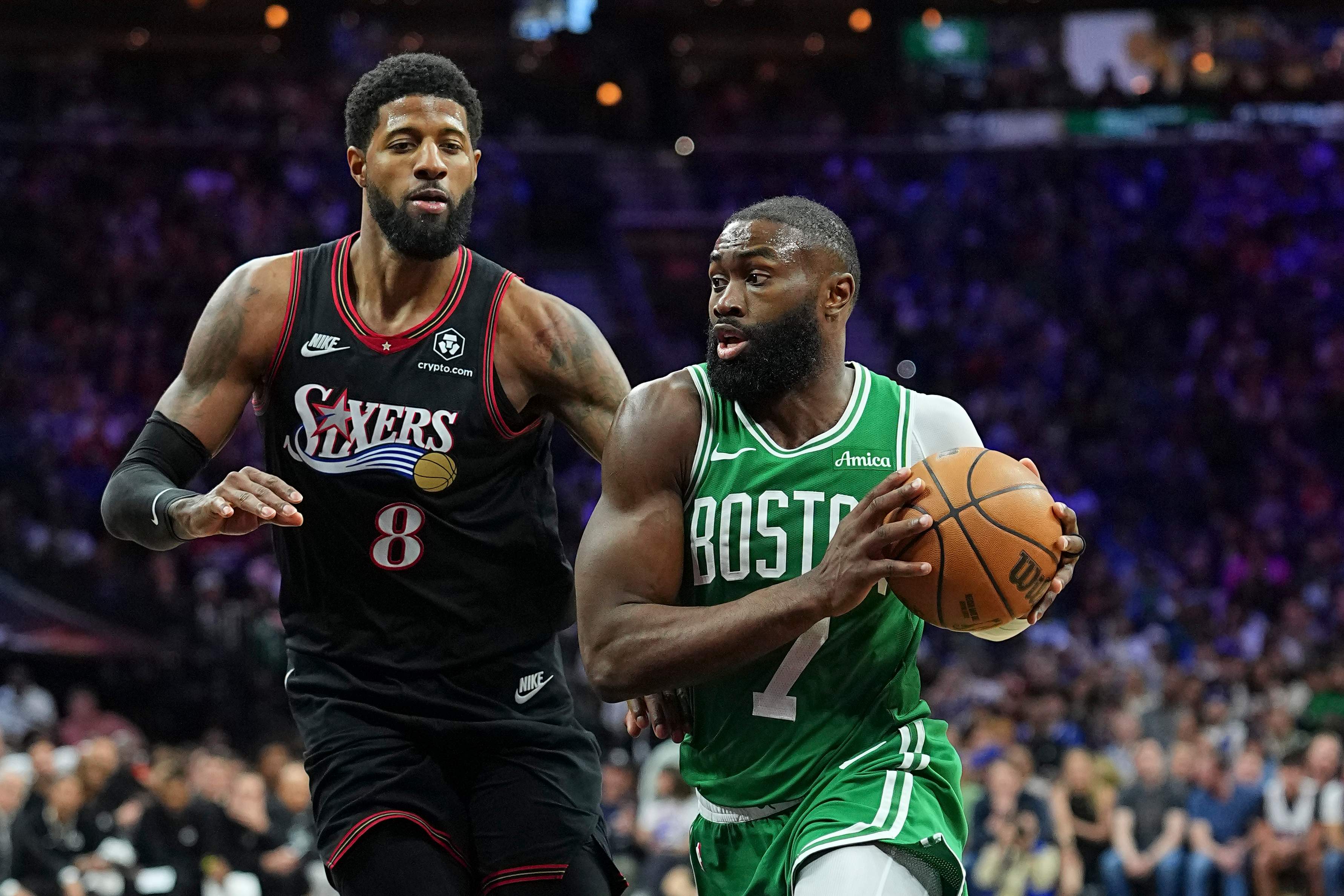
The major pivot comes with a blockbuster trade that sent Jaylen Brown from the Boston Celtics to the Philadelphia 76ers in exchange for Paul George and four future draft picks. The deal, reported by trusted basketball insider sources, marks a swift reversal in the balance of power in the East. No longer is Boston in a position to rely on a lengthier rebuild window; with Brown departing, the team faces a recalibration of its core around a veteran presence and a different collection of assets. For the Celtics, the loss of an in-prime two-way star creates an immediate and thorny question: how best to reconfigure the roster to remain competitive in a conference that already includes a revitalized Miami squad.
From the Heat’s perspective, the trade accelerates a broader strategy: retool around a core that can maximize high-end talent and add reliable shooting as a foundation for success. Antetokounmpo’s presence gives Miami a clear superstar anchor, but surrounding him with complementary pieces is essential. The pursuit of additional shooting and this season’s potential reinforcements remains a priority. In the wake of Brown’s departure, Miami is positioned to pursue a mix of established veterans and strategic wing players who can space the floor and defend at a high level.
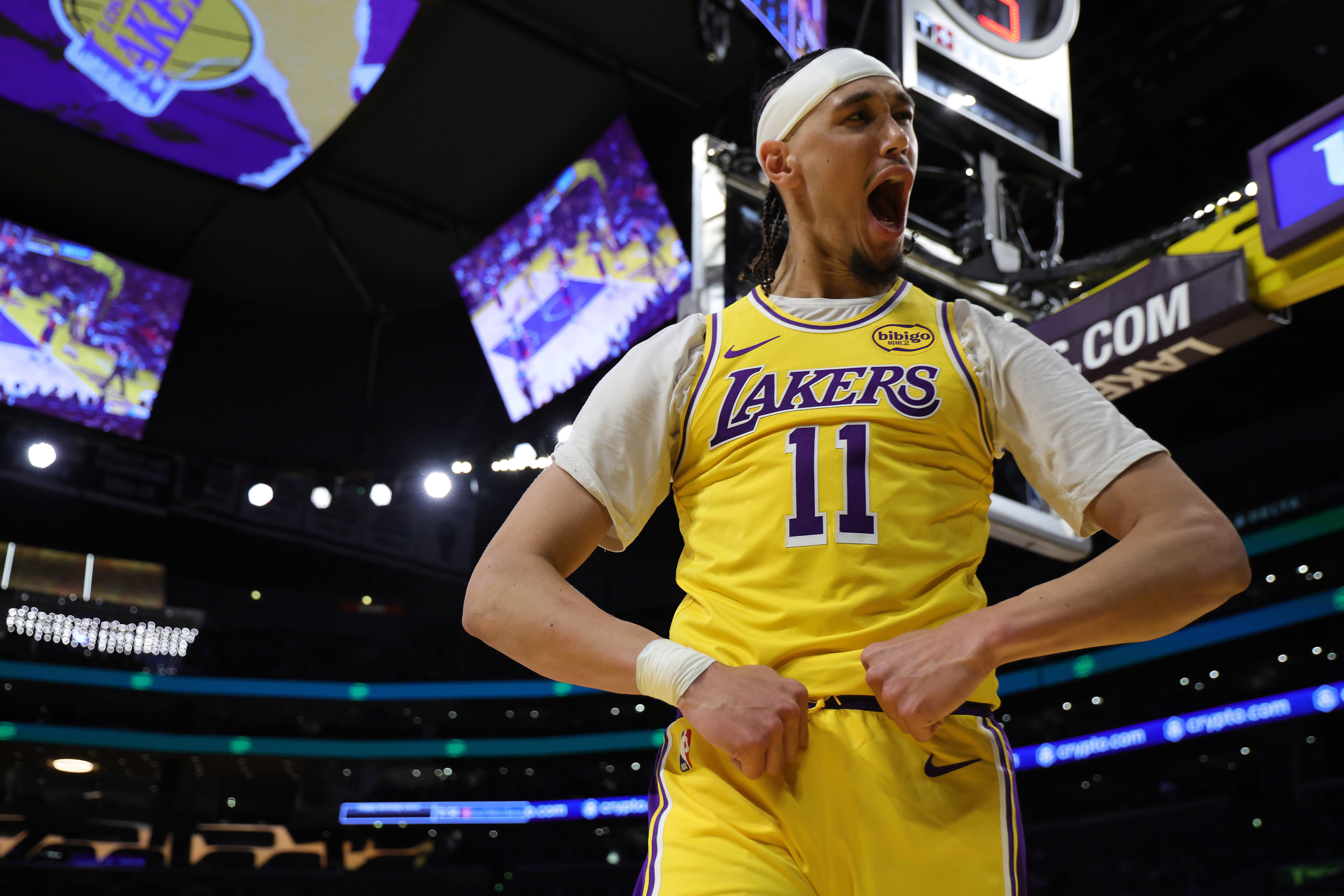
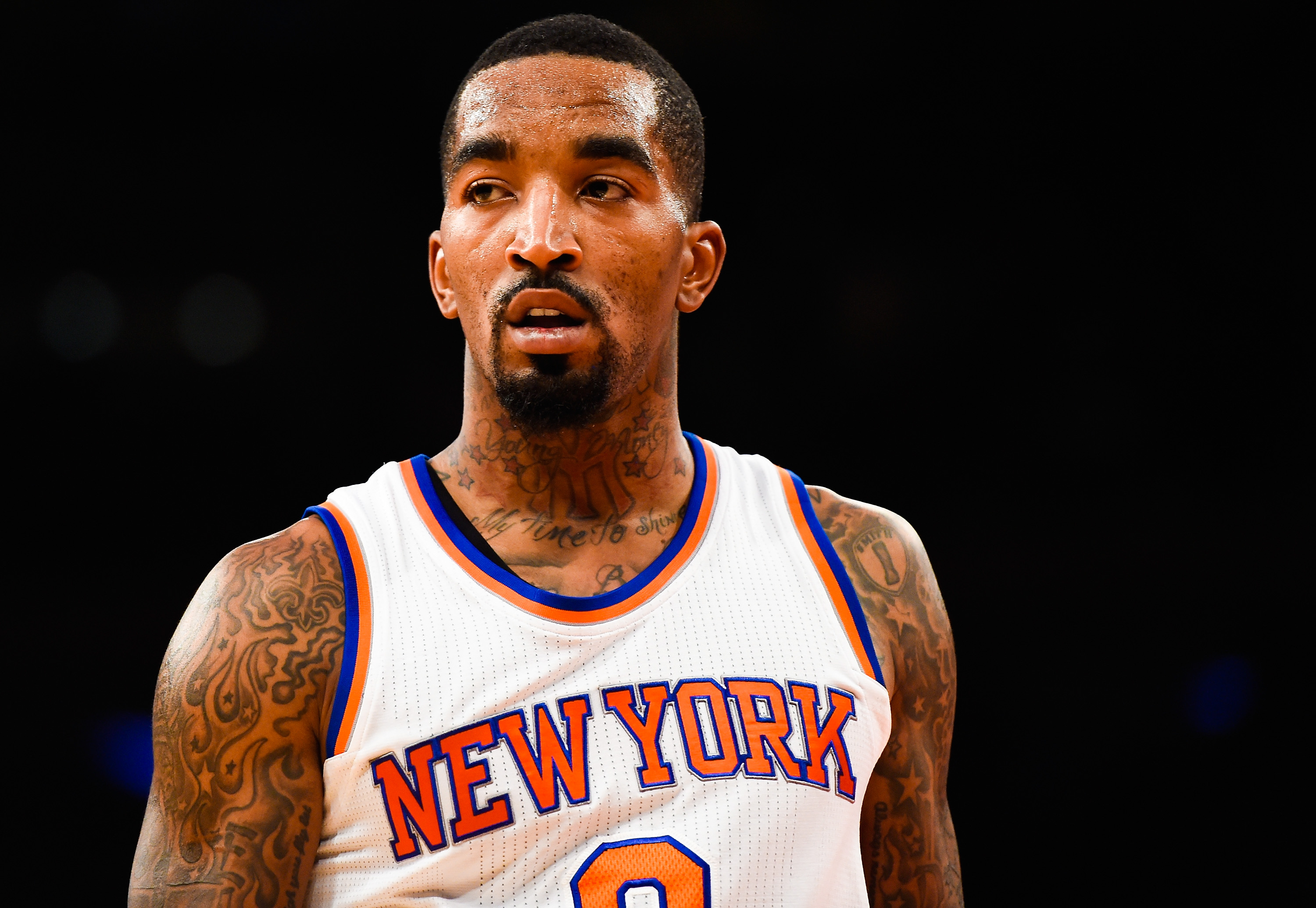
In the hours surrounding the Brown trade, the Heat continued to bolster the roster with the addition of veteran shooting, a move designed to infuse the lineup with objective floor spacing. Tim Hardaway Jr. was acquired to provide a dynamic 3-and-D threat, capable of stretching defenses with consistent perimeter scoring. This type of addition aligns with the team’s goal of giving Antetokounmpo ample room to operate while ensuring there are reliable options when the offense needs a secondary creator or a knockdown shooter.
Beyond shooting, Miami has shown interest in pursuing additional high-impact players who can contribute immediately. There has been talk of potential targeted acquisitions that would complement Antetokounmpo’s strengths—players who can defend multiple positions, catch-and-shoot efficiently, and maintain pace with a fast, ball-sharing offense. While these talks are preliminary, they reflect a calculated approach: pair Antetokounmpo with a mix of veterans and versatile wings who can contribute in crunch time and in transition.
For the Celtics, the Brown trade represents a fresh start with an uncertain short-term outlook. Brown has long been a central figure in Boston’s plans, and trading him for a player of George’s veteran caliber signals a shift toward stability and experience, albeit at the cost of elite two-way upside. George, a nine-time All-Star and future Hall of Famer, brings a different stylistic complement to the roster. His offense is polished and accessible, offering a trusted option in late-game situations, but questions remain about how his role will mesh with younger players and how his prime years align with the team’s longer-term trajectory. Celtics management will need to navigate the balance between capitalizing on George’s still-productive playmaking and maintaining the development arc for younger stars who are central to the franchise’s future.
The ripple effects of these moves extend to the rest of the Eastern Conference as well. Other teams, too, are reassessing their rosters in light of the Heat’s recalibration and the shifting power dynamics in Boston. A high-stakes chess match is unfolding, with every team weighing how to optimize cap space, draft leverage, and on-court fit. The Knicks, Bucks, and other contenders are closely watching how the early summer landscape evolves, knowing that continuity and depth can become decisive advantages over the course of a demanding season.
This offseason’s narrative emphasizes a clear trend: teams are prioritizing shooters, pace, and versatile defenders who can switch across positions. In Miami, the emphasis remains on building a sustainable ecosystem around Antetokounmpo—one that leverages his unique playmaking and scoring ability while ensuring spacing and defensive versatility across the lineup. The potential additions under consideration would need to align with this framework, delivering impact without compromising depth or flexibility.
As the summer progresses, fans can expect a series of additional moves that aim to refine the balance between star power and a well-rounded supporting cast. The Heat’s window appears open, with a roster that can adapt to different styles of play and respond to the evolving challenges of the conference. The Celtics, meanwhile, will be focused on absorbing the new realities of their revamped core, assessing how the combination of Paul George’s experience and the new supporting cast can yield a competitive unit capable of contending in a crowded field.
In summary, the offseason atmosphere around Miami is electric, fueled by the Antetokounmpo-era vision and a commitment to continuous improvement. The organization is actively exploring ways to maximize its chances to contend, while other teams react and adjust in response. This ongoing reshaping of rosters promises an intriguing chase as teams position themselves for a deep playoff push in the coming season.