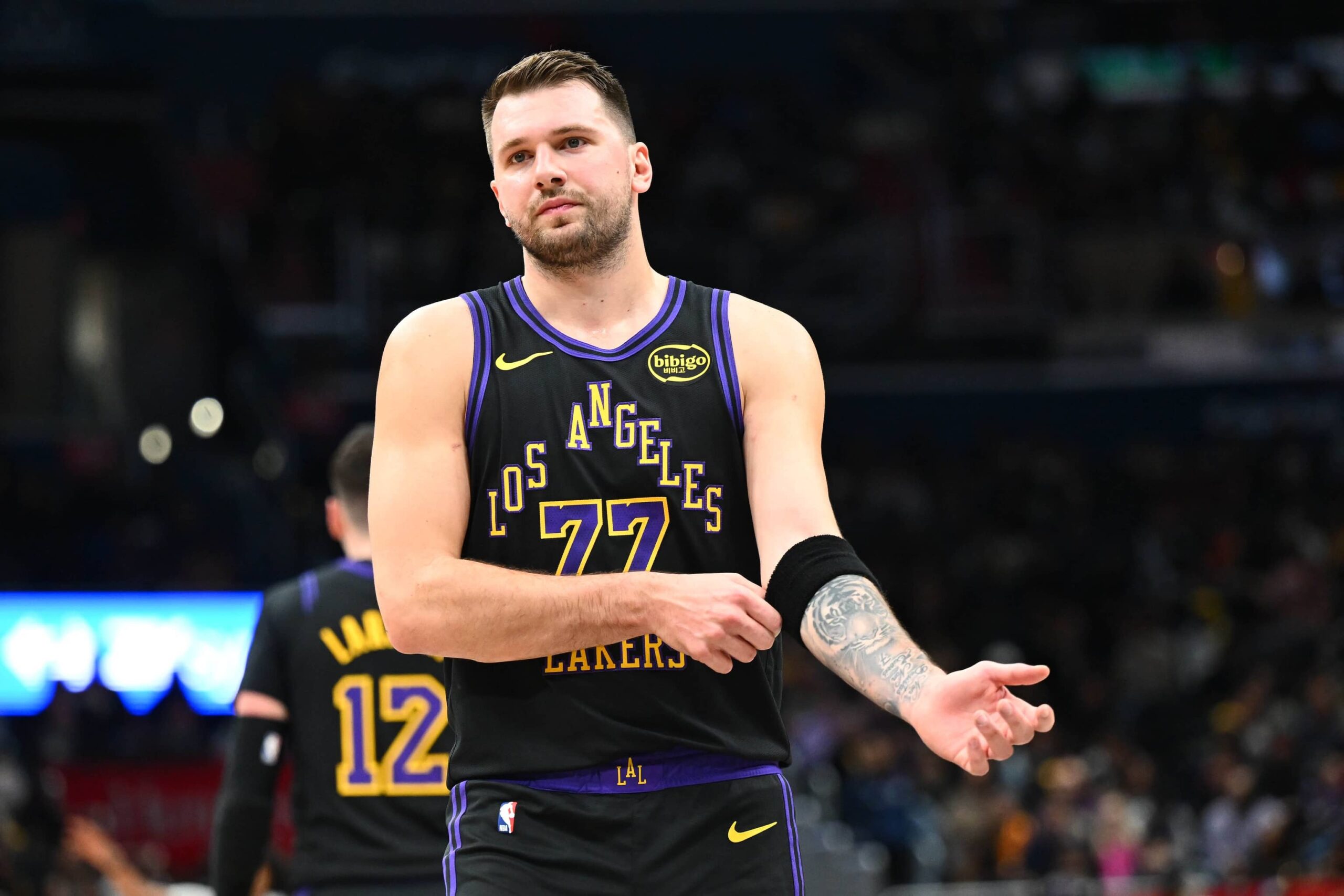
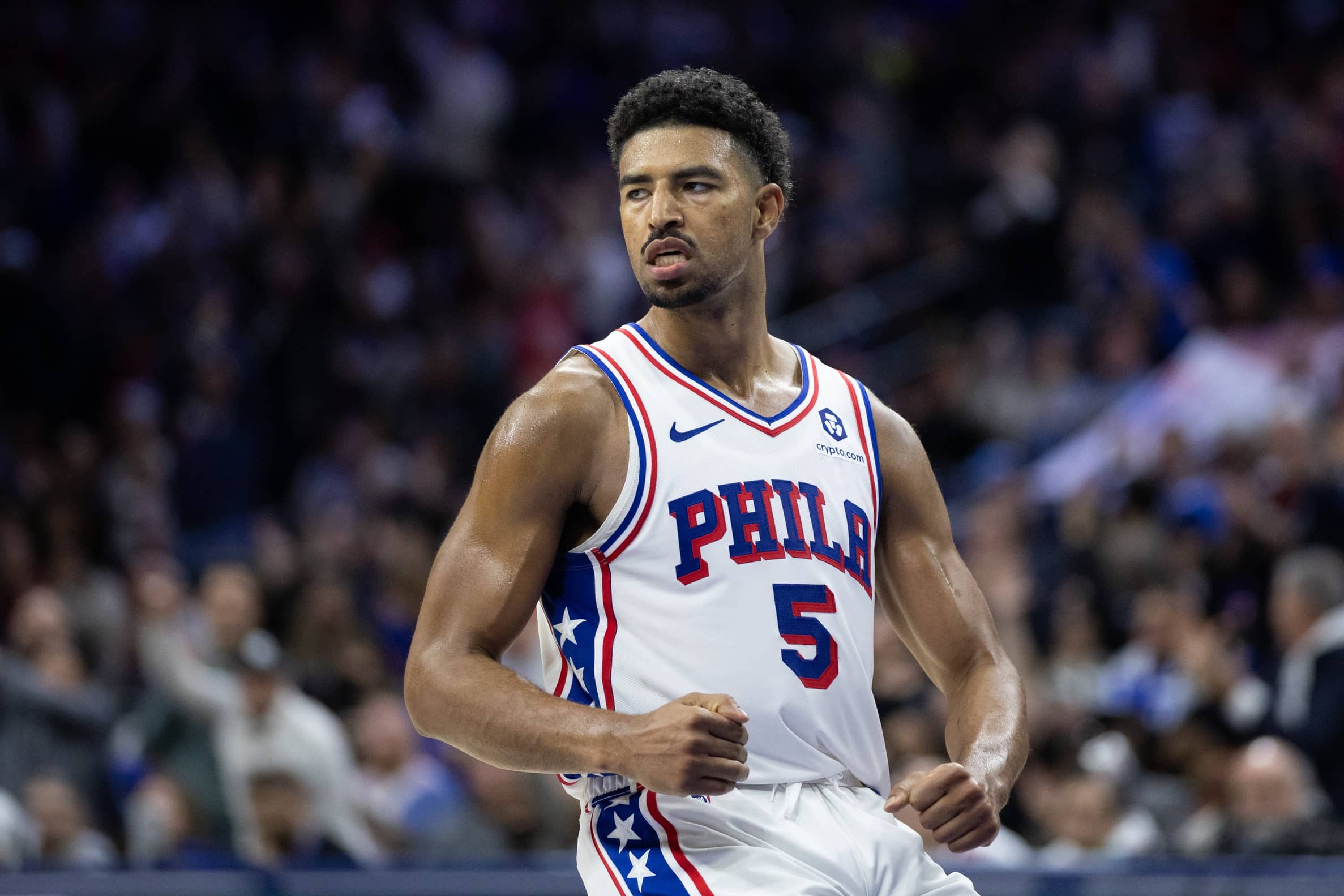
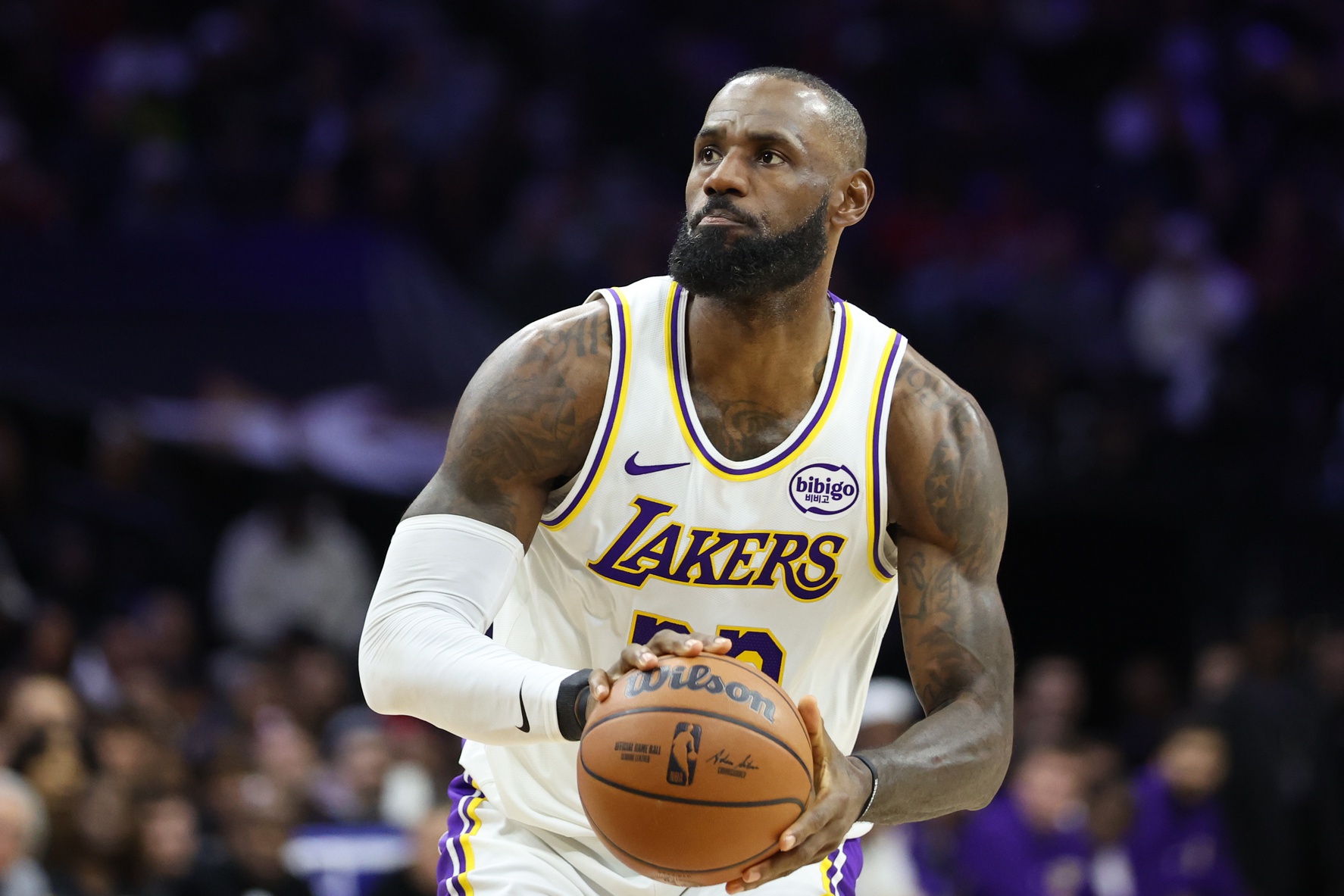
Channing Frye, a former champion and LeBron’s longtime Cavaliers teammate, offered a cautioned view on a popular sports talk show. He described the scenario as uncomfortable to envision, saying it “just looks wrong” and comparing it to past high-profile yet awkward jersey pairings. Frye suggested that the optics alone feel off—LeBron wearing a Warriors uniform would be jarring for many fans. He reminded viewers that LeBron has worn several different jerseys with a sense of belonging, from his Cavaliers and Miami stints to his ongoing chapter with the Lakers. But the idea of him in a Warriors uniform, especially at the current career arc of many veteran stars, raises eyebrows about identity and legacy.
Beyond aesthetics, Frye emphasized the tactical challenges of such a roster construction. He pointed to floor spacing and shooting as critical issues. The hypothetical lineup would rely heavily on Steph Curry’s gravity-preating shooting to pull defenses apart, but the presence of another aging star who isn’t a consistent knock-down shooter could blunt the offense’s efficiency. Frye floated a counterexample: if the team could add a fearsome floor-spacer like a prime Lauri Markkanen, the dynamic changes. Markkanen’s ability to stretch the floor would complement Curry’s shooting and LeBron’s playmaking, potentially elevating the offense. By contrast, Anthony Davis—despite his elite defensive impact and versatility—would not address spacing concerns in Frye’s view, given his inconsistent long-range shooting numbers.
The debate around Anthony Davis’s fit with a Curry-LeBron duo centers on shooting history. Davis has not been a reliable three-point threat throughout his career, hovering around single-digit percentages from deep in several seasons. In Frye’s assessment, adding Davis without sufficient shooting around him might hamper Steph Curry’s and LeBron James’s effectiveness, limiting the team’s ability to maximize their peak impact. The argument underscores a broader theme: even the most legendary players require complementary pieces who can consistently space the floor and punish drop-offs in coverage.
As conversations about a potential four-man core with star power continue, injury risk remains a salient concern for any aging roster. The Warriors would be juggling minutes and health across a collection of seasoned veterans, a group that includes players who have already weathered extensive wear and tear. The realities of an 82-game regular season plus a deep playoff push magnify these concerns. Health has repeatedly influenced outcomes in recent years, including playoff runs that were derailed by nagging injuries to Curry and other key contributors. Any attempt to assemble a “Big 4” for the short term would need to carefully manage workloads, preserve peak condition, and build a supporting cast capable of sustaining high efficiency during the postseason grind.
Beyond Frye’s commentary, other analysts have weighed in on LeBron’s potential destinations and the broader implications for the league. Discussions frequently highlight the durability and availability of top veterans as decisive factors. Even with the allure of a star-studded lineup, questions persist about whether such a roster could remain cohesive under the demands of the Western Conference and the realities of travel, practice time, and injury management.
While the prospect of a LeBron-Curry collaboration would dominate headlines and spark intense fan debate, it also invites a sober examination of fit, spacing, and longevity. The Warriors would need to assemble a balanced supporting cast—one that includes reliable shooters, versatile defenders, and sufficient youth to complement the experience of James, Curry, and other veteran stalwarts. The rail-thin margins that separate title contenders from championship aspirants make this a complex equation requiring meticulous planning and exceptional execution.
In the end, the idea of LeBron James joining forces with Stephen Curry remains a fascinating hypothetical. It would undoubtedly attract global attention and reshape the narrative around the Golden State dynasty. However, the central challenge lies in ensuring that any such lineup maximizes floor spacing, preserves offensive efficiency, and remains durable enough to compete at the highest level through March, the playoffs, and potentially June. As teams evaluate potential trades and free-agent moves, the emphasis will continue to be on how to construct a roster that harmonizes star power with complementary shooting, defense, and depth. Fans will have to wait and see which combination of talent best balances the demands of an aging core with the relentless pace of modern NBA basketball.