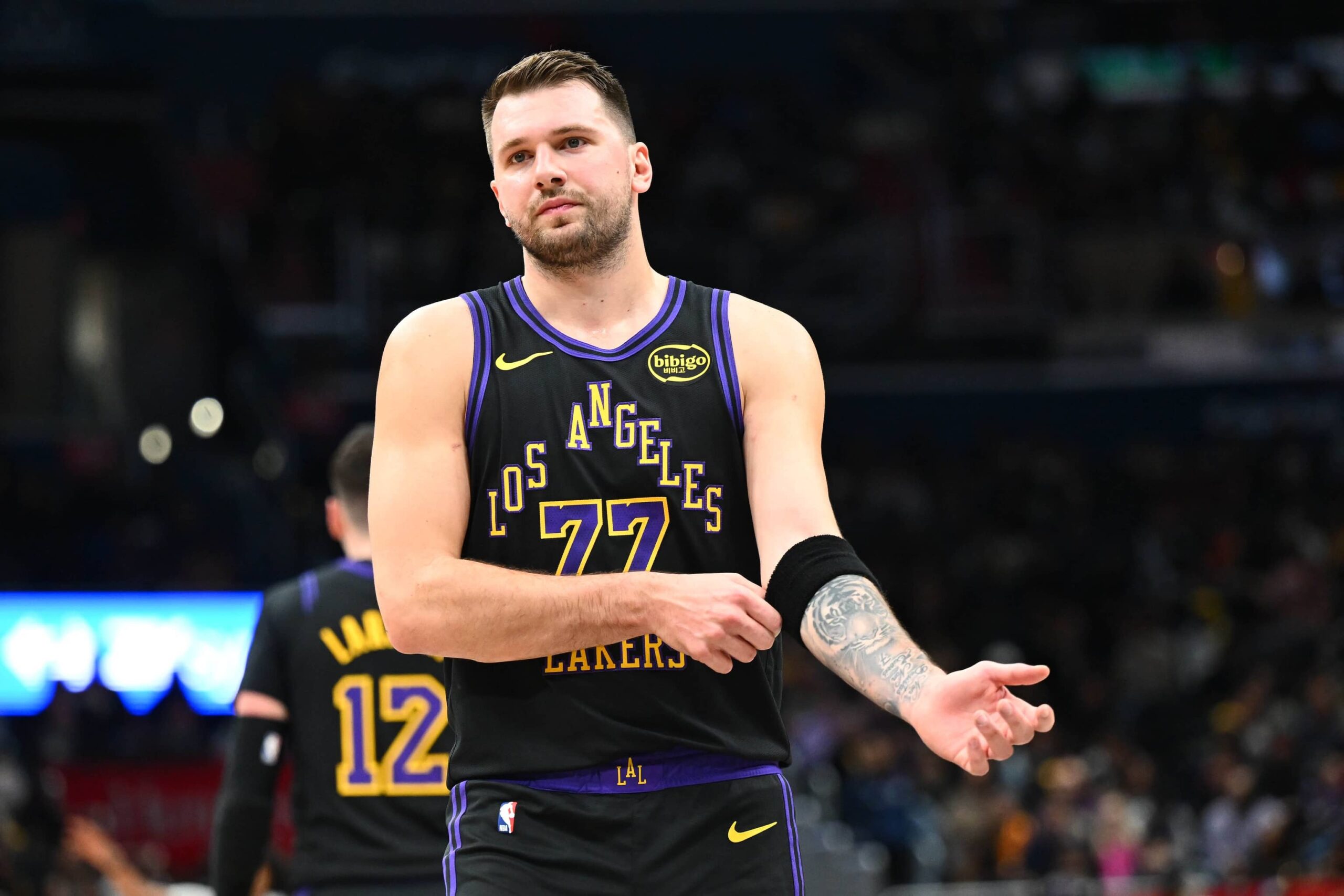
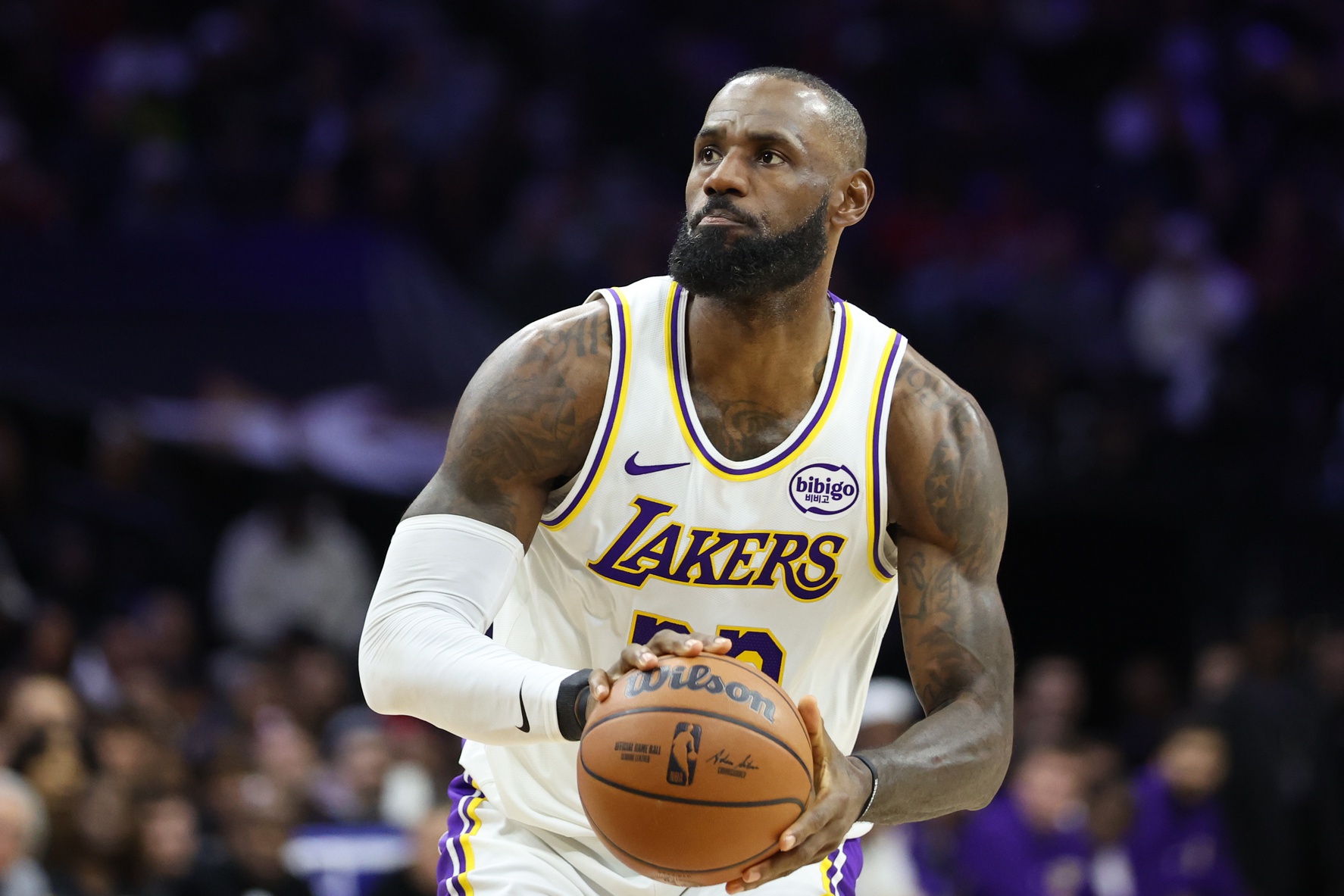
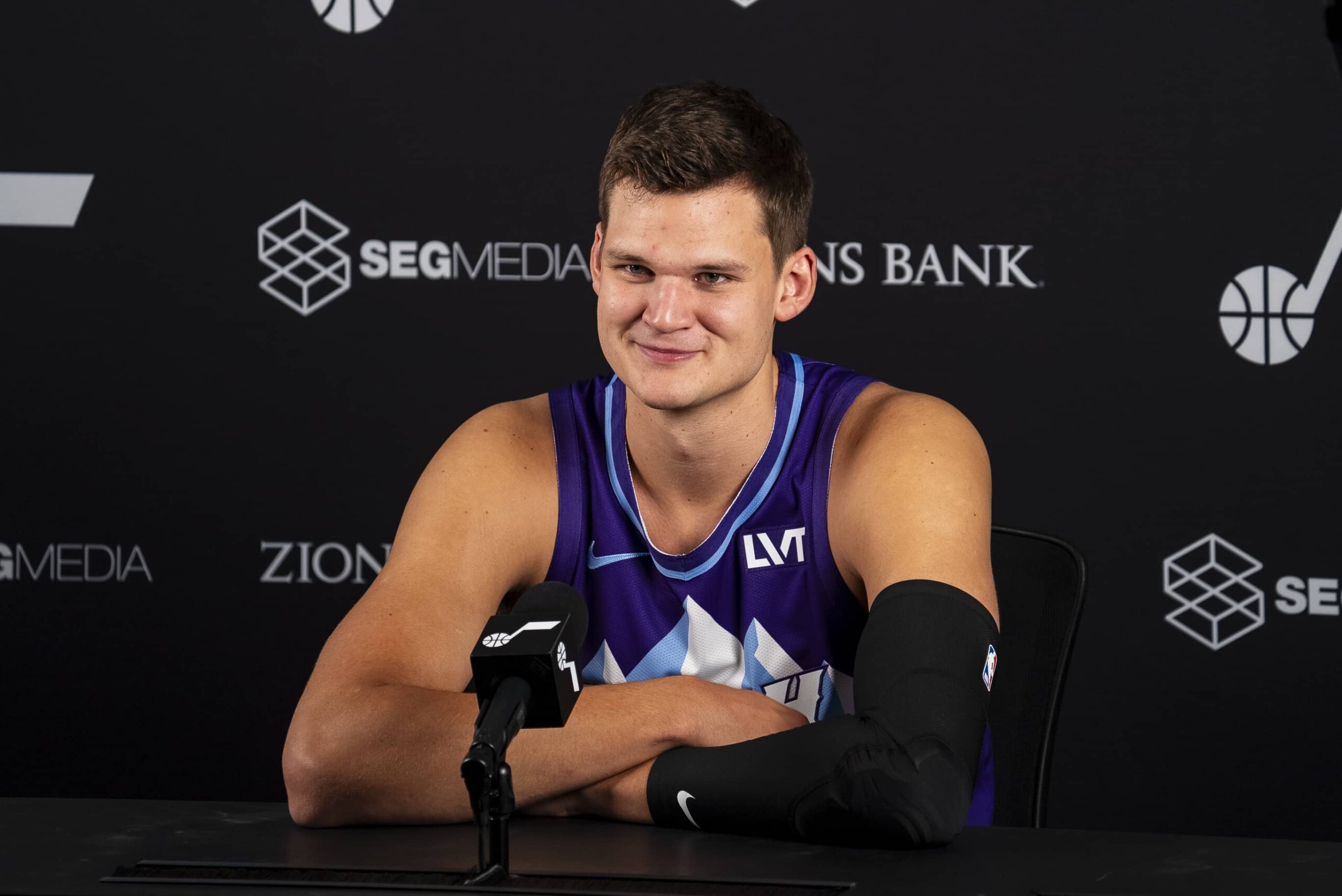
Grimes agreed to a four-year, $60 million contract, concluding his stint with Philadelphia after signing a qualifying offer previously. The 76ers had created cap space to pursue him by trading guard Jared McCain, and after signing Dean Wade to a four-year deal, Grimes left as an unrestricted free agent. Grimes shouldering a sizable but reasonable salary offers a two-way presence: solid defense, ball movement, and reliable scoring without requiring heavy usage.
Sexton joined on a two-year, $19 million deal, adding downhill burst and scoring efficiency to the backcourt after a season with the Hornets and Bulls. His ability to attack the paint and shoot from mid-range provides a different offensive dimension, especially alongside Dončić and Reaves.
Mamukelashvili signed a four-year, $52 million contract after opting out of his previous deal with the Raptors. He brings stretch potential to the frontcourt, giving the Lakers another floor-stretching option behind Kessler. His 11.2 points, 4.9 rebounds, and 1.9 assists per game last season, with strong shooting splits (52.3% from the field and 38.9% from three), make him a high-upside fit as a versatile forward.
The overarching strategy is straightforward. The Kessler trade addressed rim protection and rebounding and provided a legitimate pick-and-roll center. However, it did not fully solve shot creation, so the team pursued players who can create their own offense, attack closeouts, and sustain production when Dončić or Reaves are resting.
Grimes addresses the need for a scalable shot creator who can contribute without commanding heavy usage. His scoring averages from last season—roughly 13.4 points per game along with solid two-way contributions—offer value on a projected $15 million-per-year salary, with room to grow as a secondary playmaker.
Sexton supplies a different layer of scoring off the bench. His 15.4 points per game on efficient shooting, including 40.1% from three, positions him as a reliable guard option who can penetrate defenses and generate offense when the starters sit.
Mamukelashvili completes the frontcourt balance. His efficiency and shooting ability add spacing and versatility, serving as a potential complement to Dončić while standing in as a floor-spacer behind Kessler’s interior presence.
Taken together, the offseason moves reveal a deliberate shape rather than a scattershot approach. The roster now features a rim-protecting center in Kessler, a versatile wing defender in Grimes, a downhill scoring guard in Sexton, and a stretch forward in Mamukelashvili. This configuration spreads Dončić’s scoring load and creates multiple lineups capable of preserving offensive flow when he rests.
The Lakers’ plan appears to lean into surrounding Dončić with shooting and playmaking, while relying on Kessler’s defense to anchor the interior. The question ahead is whether the team can maximize defense with two primary ball-handlers on the floor and whether wings can consistently contribute on the perimeter. Depth will also be tested, potentially with more roster movements as the season approaches.
Overall, the direction is clear: build around Dončić with a balanced mix of shooting, playmaking, and rim protection. If the defense holds up and the shooting window remains open, this roster could provide the necessary balance to sustain a high-powered offense throughout the season. The path forward suggests continued strategic moves that enhance depth and versatility while leveraging Kessler’s presence in the middle and the diverse scoring threats across the lineup.