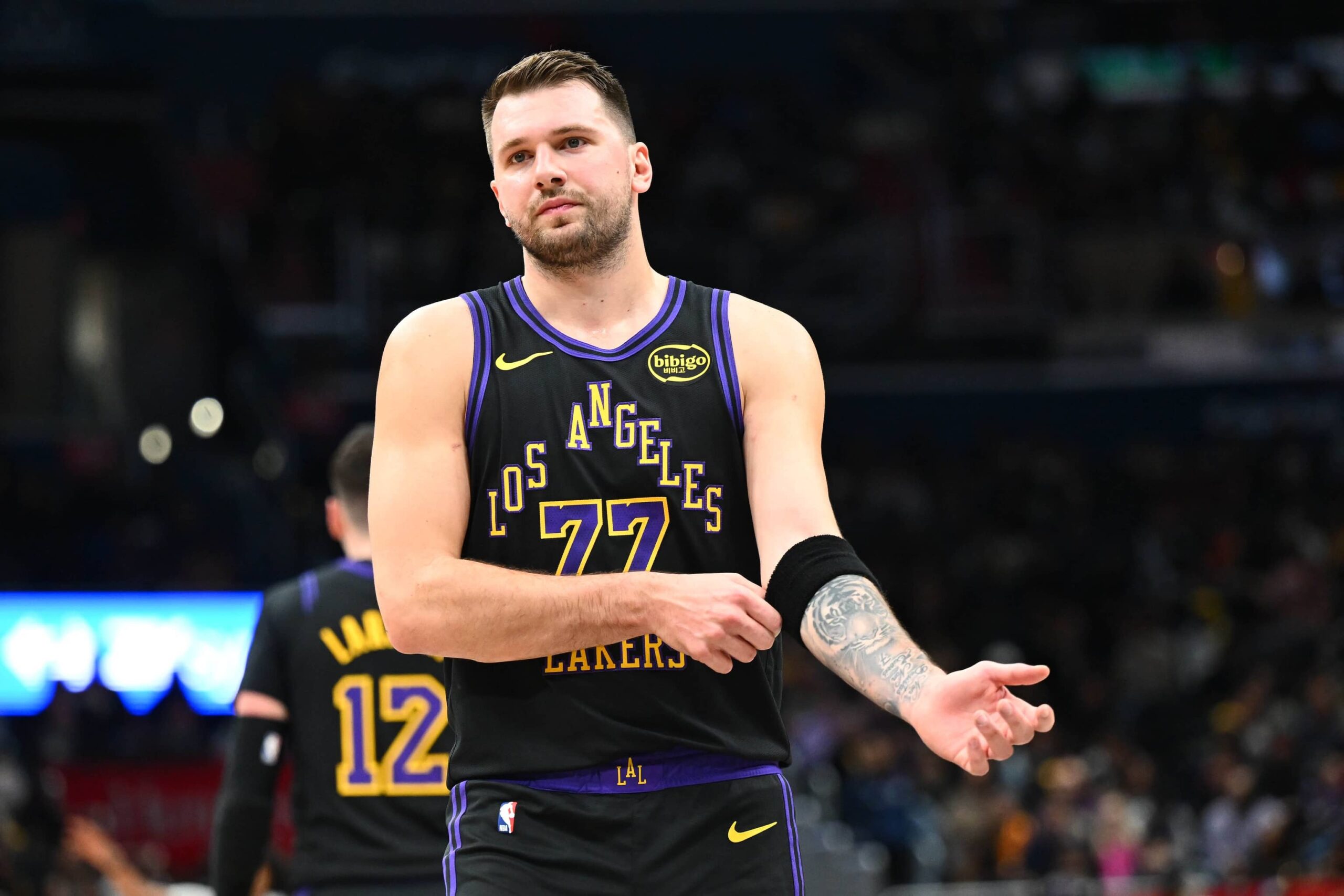
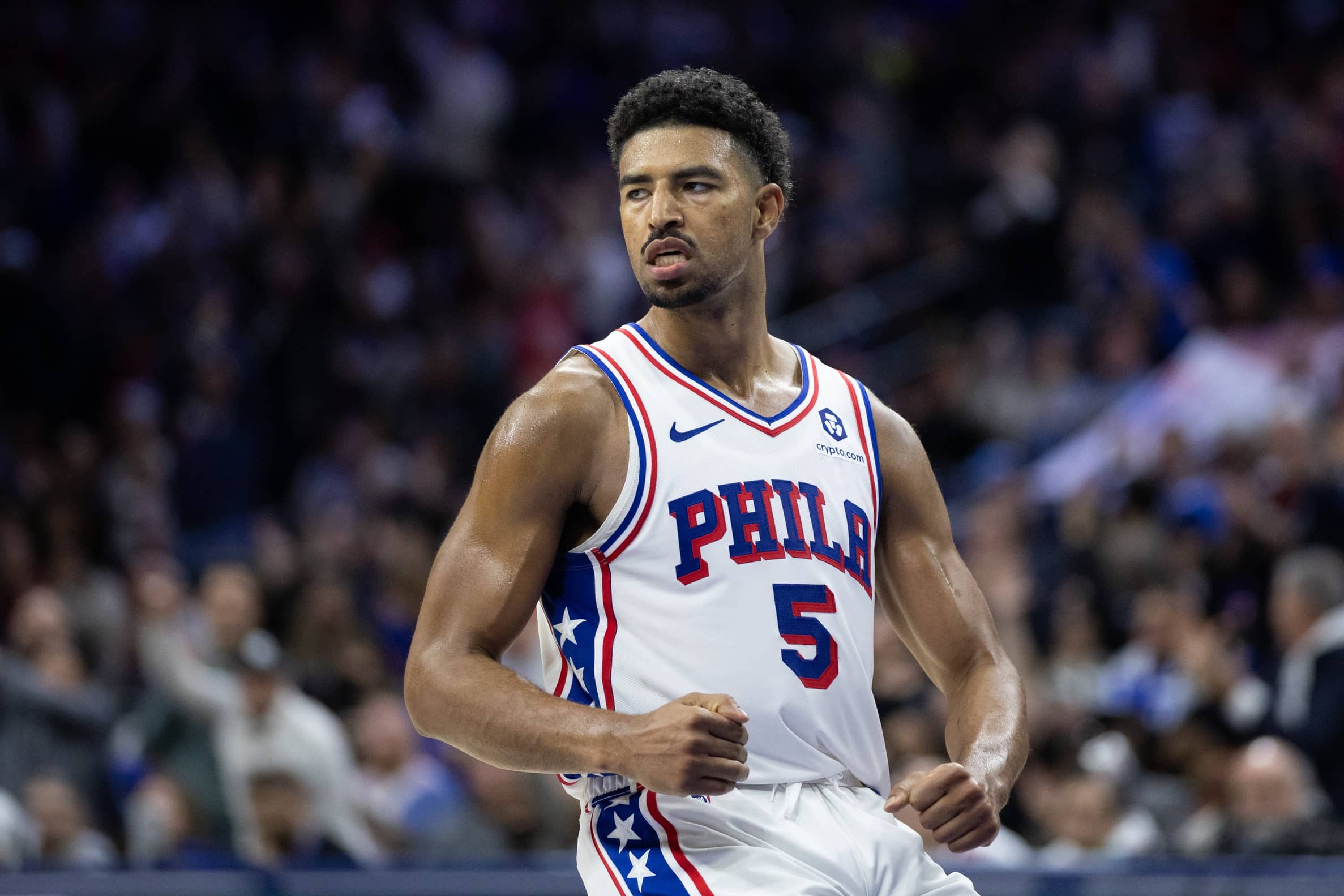
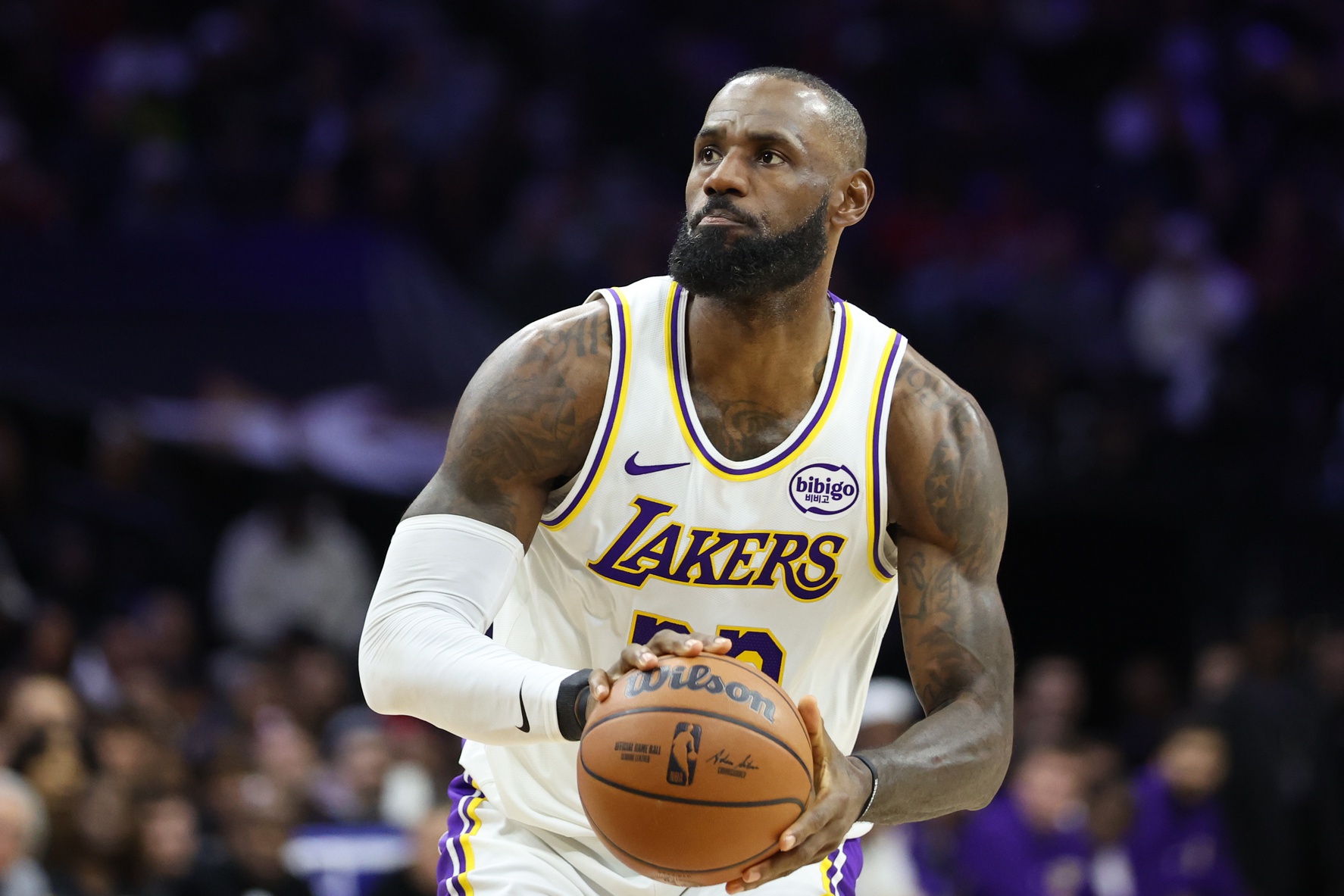
Kessler is widely regarded as one of the better young rim protectors in the league. He posted strong per-game numbers last season, including 14.4 points, 10.8 rebounds, 3.0 assists, 1.4 steals, and 1.8 blocks on 70.3% shooting, even though his season was cut short after just five games due to a left shoulder labrum tear and subsequent surgery. His defensive profile—shot-blocking presence, ability to protect the paint, and reliable screen-setting and finishing around the rim—fits well with a backcourt led by Luka Dončić, who thrives when paired with a center who can anchor the defense and finish plays at the rim.
The Lakers have a high-priced backcourt with Dončić and Austin Reaves locked in on long-term deals. Reaves signed a four-year, $185 million contract after a breakout season, providing a steady secondary scoring and playmaking option. The front office’s objective has been to shore up the defense and provide a reliable vertical threat who can finish at the rim and clean up around the basket. Kessler’s presence would give Dončić a versatile partner in the frontcourt who can screen, dive, catch lobs, and protect the rim, reducing the pressure on Dončić to create every scoring opportunity from scratch.
From a defensive standpoint, Kessler brings a rounded impact. Last season he logged a career-best 5.6% block percentage and averaged 2.4 blocks per game over his career. For a Lakers team that has leaned toward offense-first lineups with Dončić and Reaves, adding a legitimate defensive anchor is a meaningful upgrade. With Kessler patrolling the paint, the Lakers gain a reliable deterrent that can alter driving lanes and force offenses to rethink their approach near the basket.
However, the trade comes with significant caveats. The contract value for Kessler is substantial, and the picks involved are unprotected two to seven years into the future. The 2031 and 2033 first-round selections carry no protections, meaning the Jazz gain access to those assets regardless of how the Lakers perform in the intervening years. If Dončić remains at peak levels into the early 2030s, and if the Lakers’ roster turns out to be competitive, those picks could wind up in the high teens or low twenties. Conversely, if the Lakers falter or Dončić’s era wanes, those selections could yield much less value. The inclusion of 2028 and 2030 first-round swaps adds another layer of risk by limiting the team’s flexibility to maneuver around upcoming opportunities and trade paths.
Utah, meanwhile, secures substantial future assets in the deal. By moving Kessler, the Jazz avoid a potentially oversized extension for a restricted free agent who was seeking a payday beyond the market value of the moment. Utah’s return—two unprotected first-round picks plus the swap options—offers a path to rebuild with premium draft capital, a valuable currency in a league where young talent and star potential can change the competitive landscape quickly. The Jazz can use these assets to pursue growth around their core, whether they elect to pair them with a future star or package them in another ambitious move.
On an individual level, Kessler’s fit is compelling. He profiles as a center who can screen effectively, roll to the rim, and catch high-quality finishes around the basket, all while providing a defensive backbone. If he develops in the right role alongside Dončić, his offensive numbers could rise modestly thanks to easy finishes off lobs and dump-offs, with Dončić orchestrating much of the offense and creating favorable angles for Kessler to flourish. The potential offensive bump, combined with a high-impact defensive presence, makes this an attractive pairing for the Lakers’ core.
Yet the move carries clear risks. The health of Kessler’s shoulder remains a concern, and the expectation to deliver immediate playoff-grade defense and consistent production on a high-priced contract will put pressure on him from day one. If the shoulder issue resurfaces or if the defensive schemes fail to maximize his strengths, the trade could be judged harsher in hindsight. The fact that Kessler entered the league with limited NBA experience and a somewhat thin track record of sustained excellence amplifies the risk that any setback could alter the perceived value of the deal.
In grading the transaction, the Lakers earn a high mark for fit and impact, tempered by the significant cost. The move makes strategic sense: upgrade the defense, add a dynamic lob target for Dončić, and position the team for immediate competition while accepting the long-term draft-cost consequences. The question remains whether the roster can deliver top-tier results early enough to justify the price tag. If Dončić and a fortified supporting cast propel the Lakers to deep playoff runs and championship contention, the trade will be vindicated. If not, the unprotected future picks could loom as a painful reminder of urgency over patience.
For the Jazz, the maneuver represents a well-timed win, securing premium draft capital while parting with a young center who exceeded as a restricted free agent, but whose long-term value fluctuated with injuries and contract demands. Utah’s return provides flexibility and a clearer path to rebuild, without being forced into a costly extension that might have altered their future plans.
Walker Kessler’s four-year, $130 million contract with a player option in year four and a full trade kicker is a pivotal element of the package. It affords Kessler a strong financial foundation and a degree of leverage should his development accelerate, while also offering the Lakers a potential exit if circumstances change. The overall dynamic of this trade centers on balancing urgent competitiveness with long-term strategic positioning, a calculation that clubs frequently weigh as they navigate a shifting cap landscape and the evolving needs of star players and rosters.