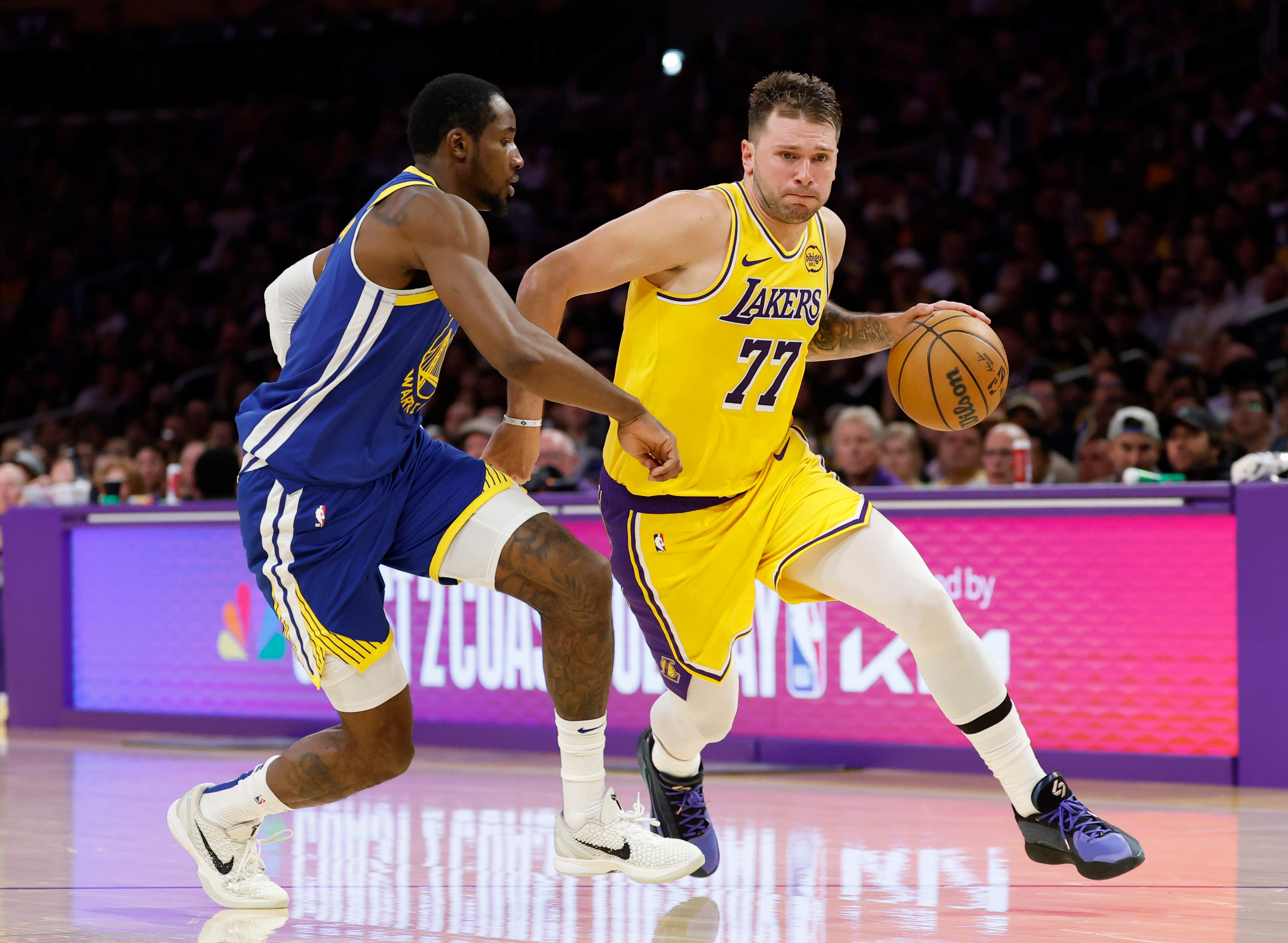
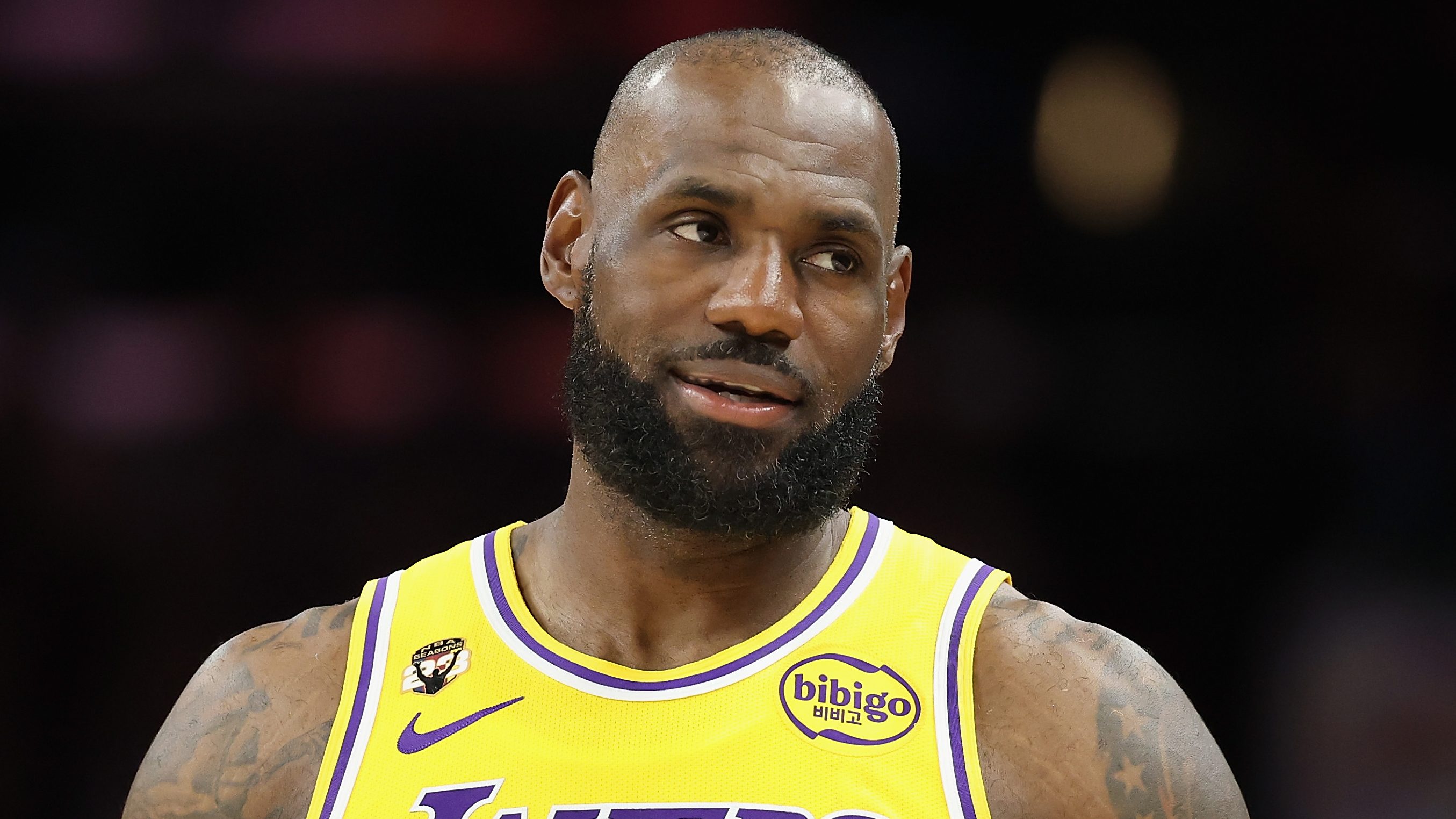
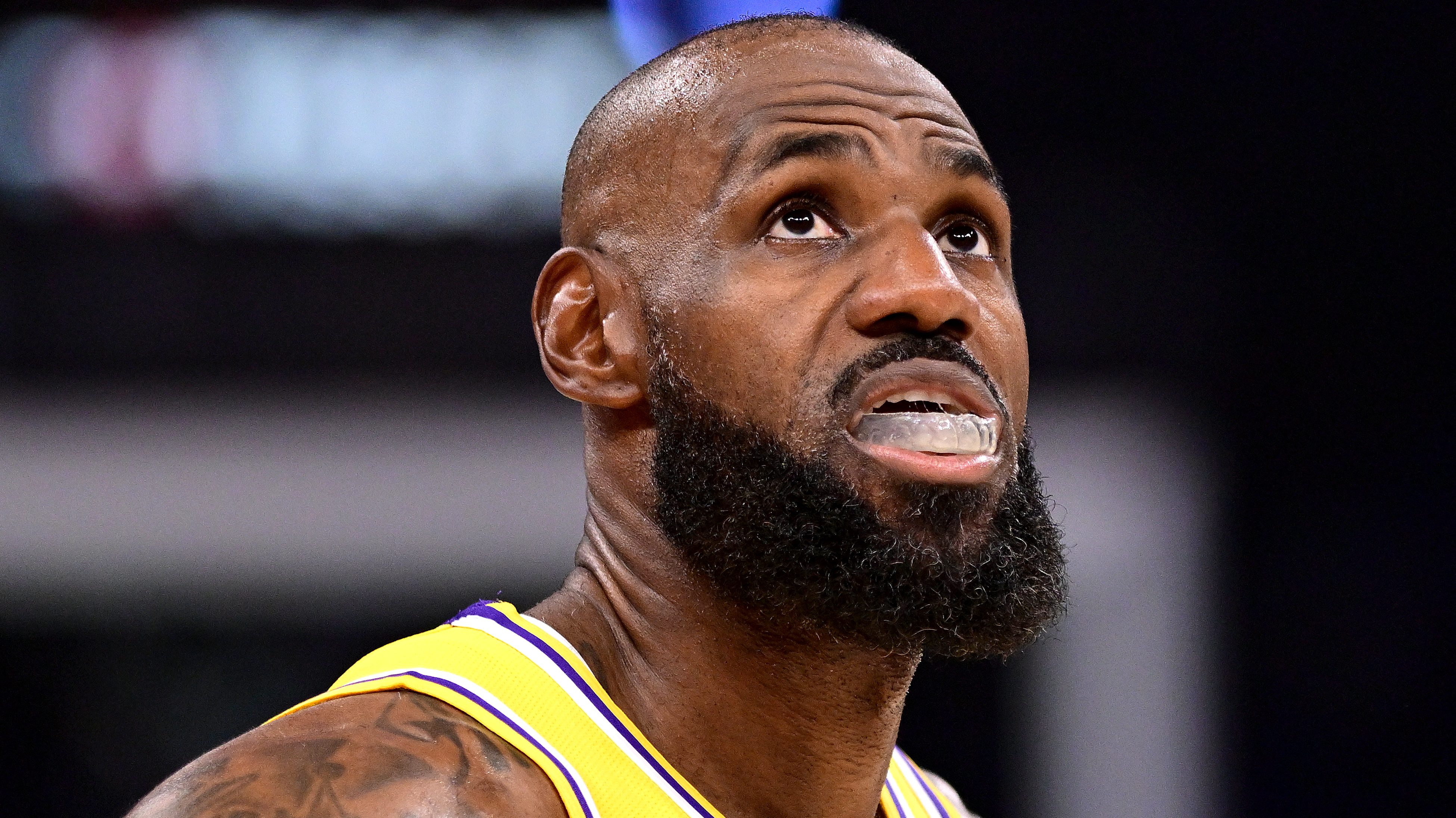
Details of the transaction indicate a steep price in draft capital. The Lakers sent their 2031 and 2033 first-round picks, along with first-round pick swaps in 2028 and 2030, to obtain Kessler. The move creates a two-way center option that the team believes can complement the dynamic scoring and playmaking of players like Luka Dončić, helping to balance offense with defense in the frontcourt.
Reaction from the Lakers’ fanbase was mixed but largely optimistic about the defensive impact and rim protection Kessler can provide. A top-tier center presence has long been seen as a missing piece alongside Dončić, and this acquisition aims to address that need with a player who excels at shot-blocking, rebounding, and finishing around the basket.
In related discussions about the team’s direction, comments surfaced about Anthony Davis and his fit alongside a true center. One social media post from a prominent Lakers commentator suggested Davis had previously advocated for a long-term center to anchor the lineup next to him at power forward. The post criticized management for not acting sooner on that front. Davis himself shared a lighthearted reaction to the post, using a playful series of emojis that reflected his ongoing connection to the franchise’s fortunes, even as he continued to pursue opportunities and adaptation within the team’s evolving strategy.
Looking back at Davis’s public comments from earlier seasons provides context for the Lakers’ strategic considerations. He has often expressed that he feels his best basketball comes when he plays the four alongside a capable five, a sentiment that aligns with the team’s ongoing interest in fortifying the center position. Those comments helped fuel debates about the Lakers’ decision-making and whether the organization would pursue a traditional center or pursue alternative routes to shore up the frontcourt.
In contrast to the Kessler addition, the team made a notable, headline-grabbing trade previously that did not involve a center but rather reshaped the roster around Dončić. The Lakers sent Davis, along with a few role players and draft picks, to the Dallas Mavericks in exchange for a different set of veterans, signaling a willingness to explore dramatic overhauls to optimize the core around which the franchise is built. This historic deal underscored the franchise’s willingness to take calculated risks in pursuit of a championship-caliber lineup.
Beyond the Lakers, Anthony Davis’s future with other franchises has been a topic of frequent discussion in league circles. Reports and rumors have linked Davis to potential destinations, including teams like the Golden State Warriors, especially given the high-profile pairing discussions involving Stephen Curry and the broader pursuit of veteran talent to maximize championship windows. As always with such rumors, teams and players navigate a mix of strategic fit, contract considerations, health status, and long-term planning before any definitive moves are made.
Meanwhile, Washington’s stance on Anthony Davis has been characterized by a strong openness to retaining the star forward, particularly given the depth and potential of their current roster and future prospects. Sources familiar with the situation have indicated that the Wizards are not actively pursuing a sale of Davis at this time, emphasizing that any trade talks would need to align with their broader competitive timeline and development strategy. This stance reflects the complexities of balancing immediate competitiveness with long-term asset management in the league’s dynamic market.
As teams continue to recalibrate their rosters, the market for centers and versatile frontcourt players remains active. Teams are weighing factors such as defensive impact, shooting versatility, and the ability to complement star scorers in high-usage offenses. The conversation around Davis’s role and potential destinations will likely persist as the season approaches, shaping how front offices approach future trade discussions and contract negotiations.
The broader takeaway from these moves is clear: front offices are prioritizing interior defense and rim protection while trying to preserve offensive spacing and playmaking around star talents. Walker Kessler’s arrival provides the Lakers with a young, developing pillar at the center position, capable of anchoring the defense and growing alongside a talented, high-usage offense. The team’s future success will depend on how well Kessler develops his screen-and-roll efficiency, pick-and-roll defense, and ability to protect the basket without compromising the team’s offensive rhythm.
As the NBA season approaches, fans and analysts will closely watch how Kessler integrates into the Lakers’ system and how the frontcourt dynamics unfold with the addition of a traditional rim protector. The balance between offense and defense, as well as the durability and chemistry of the roster, will play pivotal roles in determining whether these moves translate into sustained success and deep playoff runs.