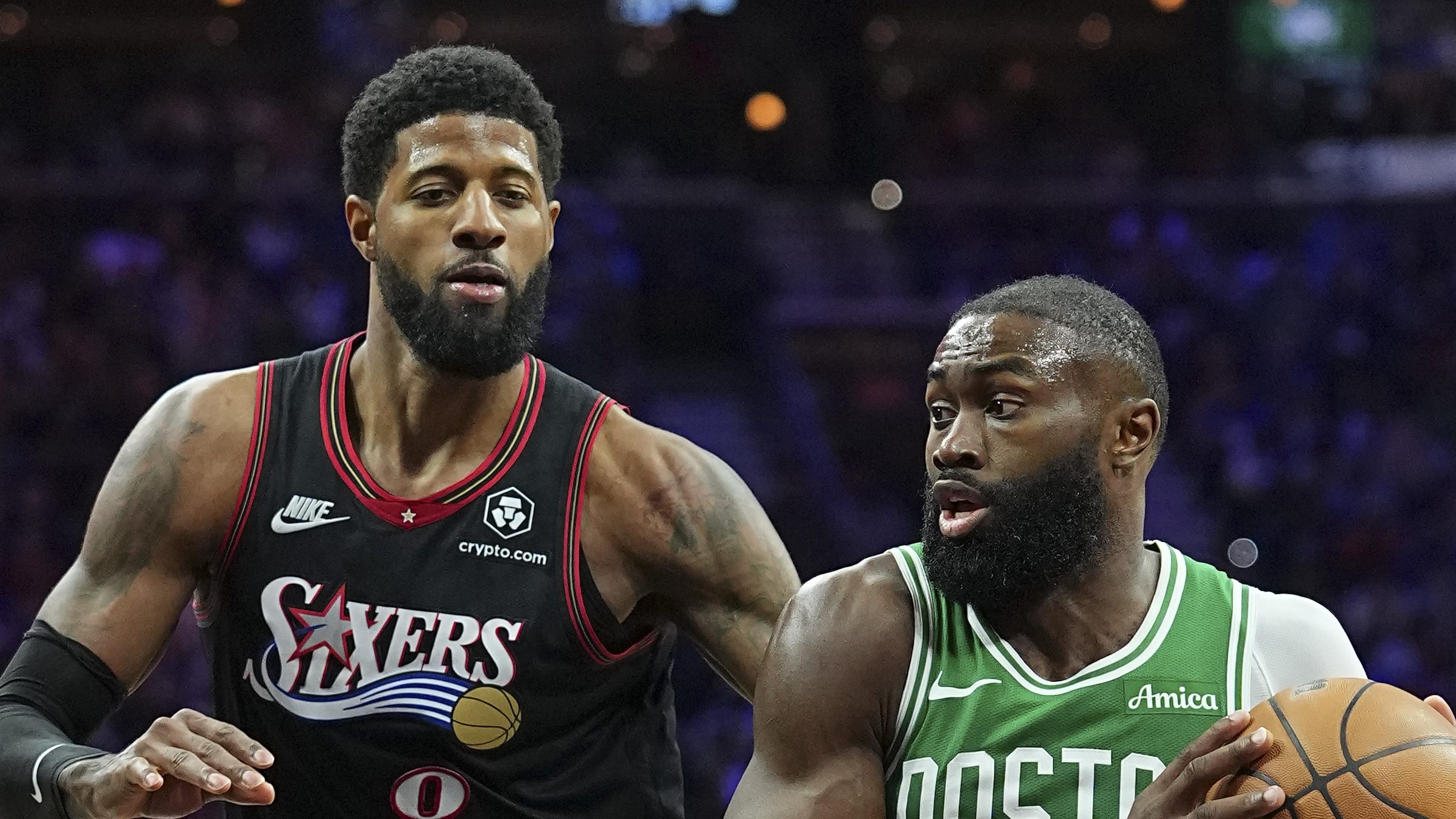
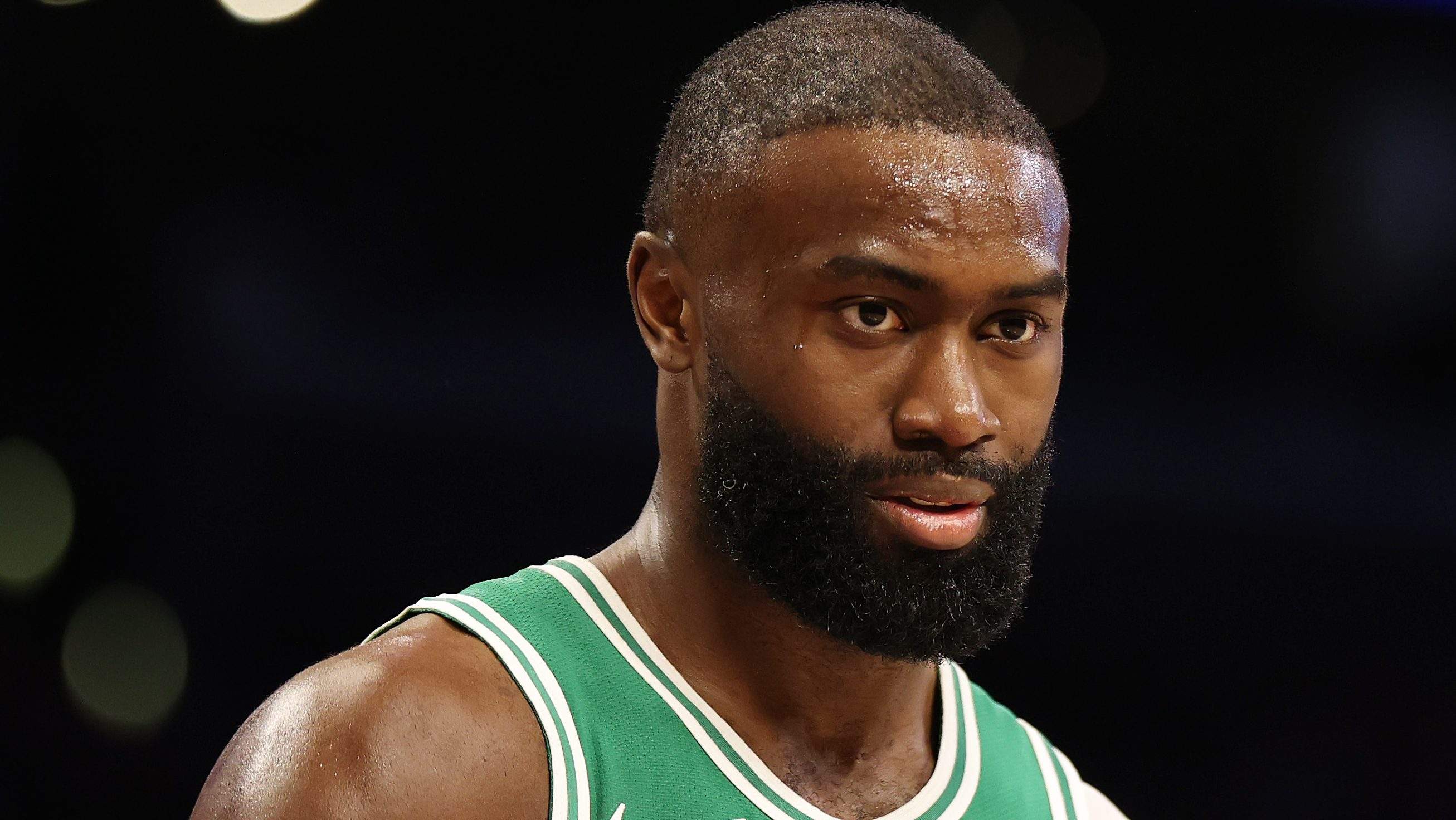
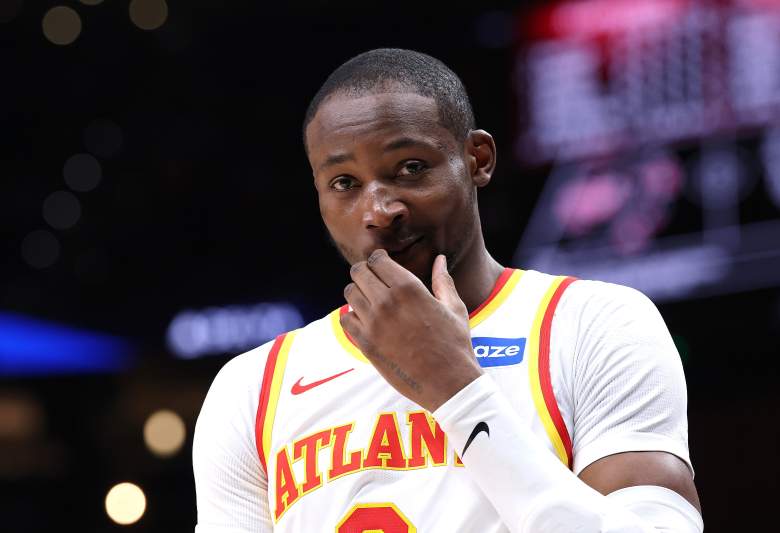
The trade package sent to Boston in return includes Paul George, a 2028 first-round pick that can convert from a standard first to a swap advantageous to the Celtics, a 2031 unprotected Philadelphia first, and two second-round selections. This deal represents a notable change in the Celtics’ landscape, especially given Brown’s recent high-level production. On the surface, trading Brown for a veteran star who carries a max contract—yet at a somewhat different salary level—also points to a strategic focus on cap flexibility.
Paul George, who has been a key performer for several seasons, brings a blend of scoring, playmaking, and experience. He has had periods of standout play, including strong performances late in the season, and his shooting efficiency aligns with a modern, spacing-driven offense. Nevertheless, his contract status and recent suspension history are factors teams will weigh as they integrate him into a new system.
With Brown traded, Boston’s path forward hinges on the health and development of its remaining core. Jayson Tatum is expected to be fully recovered and ready to lead the team into the next season, providing a potential boost in performance. The Celtics will rely on George and Derrick White to share the responsibility of stabilizing the offense and anchoring a competitive defense. The shift raises questions about the team’s ceiling in a competitive Eastern Conference, where rival teams have been active in improving their rosters and exceeding the luxury-tax thresholds.
The organization’s decision reflects a broader approach to balancing competitive aims with financial flexibility. By acquiring George and shedding Brown’s sizable contract, the Celtics may have positioned themselves to pursue future enhancements and adjustments as needed, without overextending into the luxury tax. This strategy suggests a long-term view of building a championship-caliber roster while maintaining cap room for strategic moves.
Fans can expect a new dynamic in Boston’s lineup as the season approaches. The key to success will lie in how well the remaining veterans mesh with George and White, how effectively Tatum returns from any lingering health concerns, and how the team manages minutes and roles across the wings and backcourt. The coming months will reveal how this bold move translates into on-court performance, playoff contention, and the overall trajectory of the franchise.
Notes on the broader context:
– The deal centers on aligning financial flexibility with on-court competitiveness as the Celtics reassess their core.
– George’s role will likely be as a primary scorer and secondary playmaker, complementing the established talents on the roster.
– The two first-round picks add future assets, potentially enabling further maneuvering in upcoming drafts.
This season’s outlook hinges on how well Boston maximizes its available cap space, the health of its top players, and the development trajectory of role players stepping into expanded responsibilities. As with any blockbuster roster move, the true impact will unfold over the course of the season and into the playoffs.