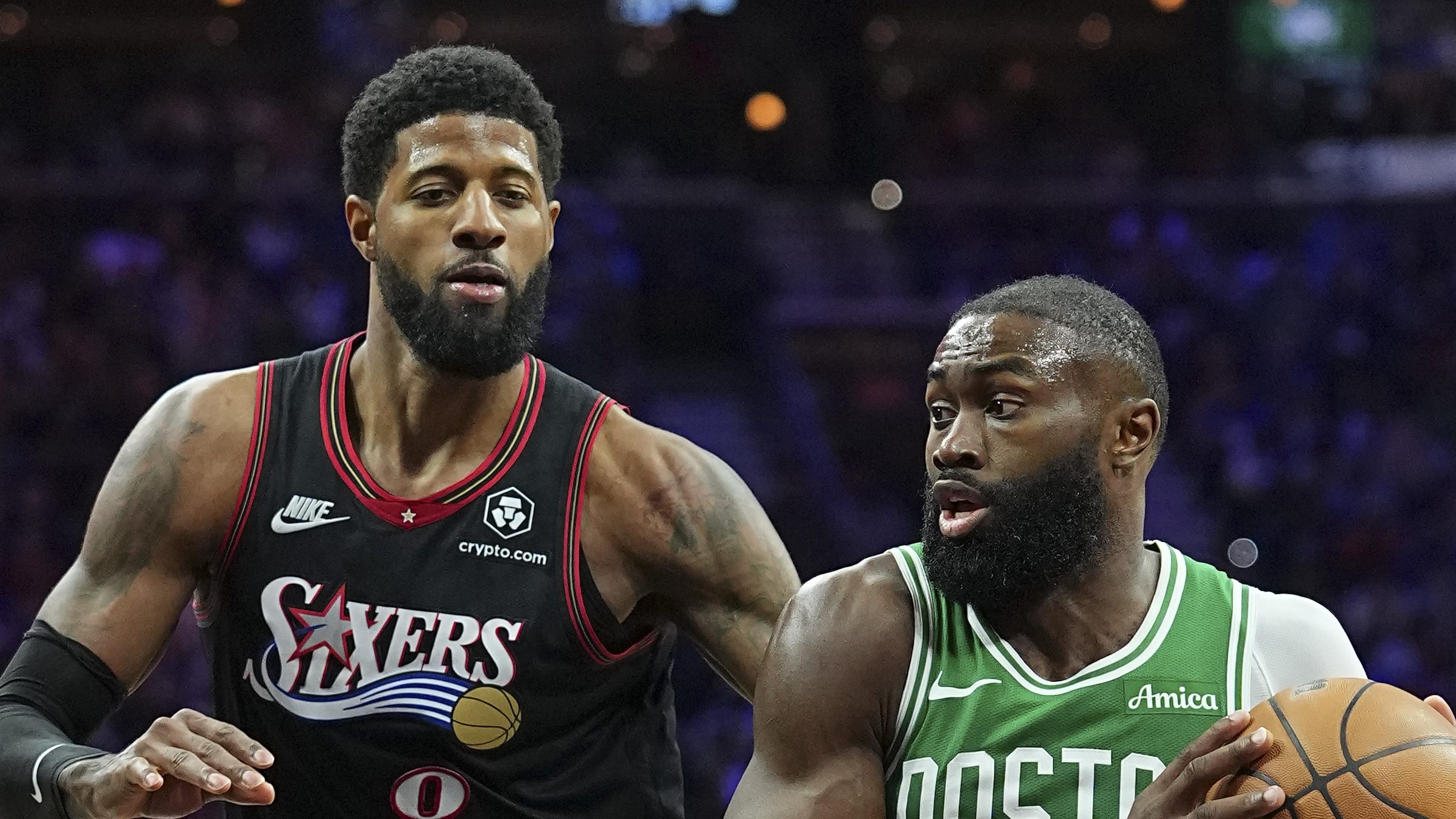
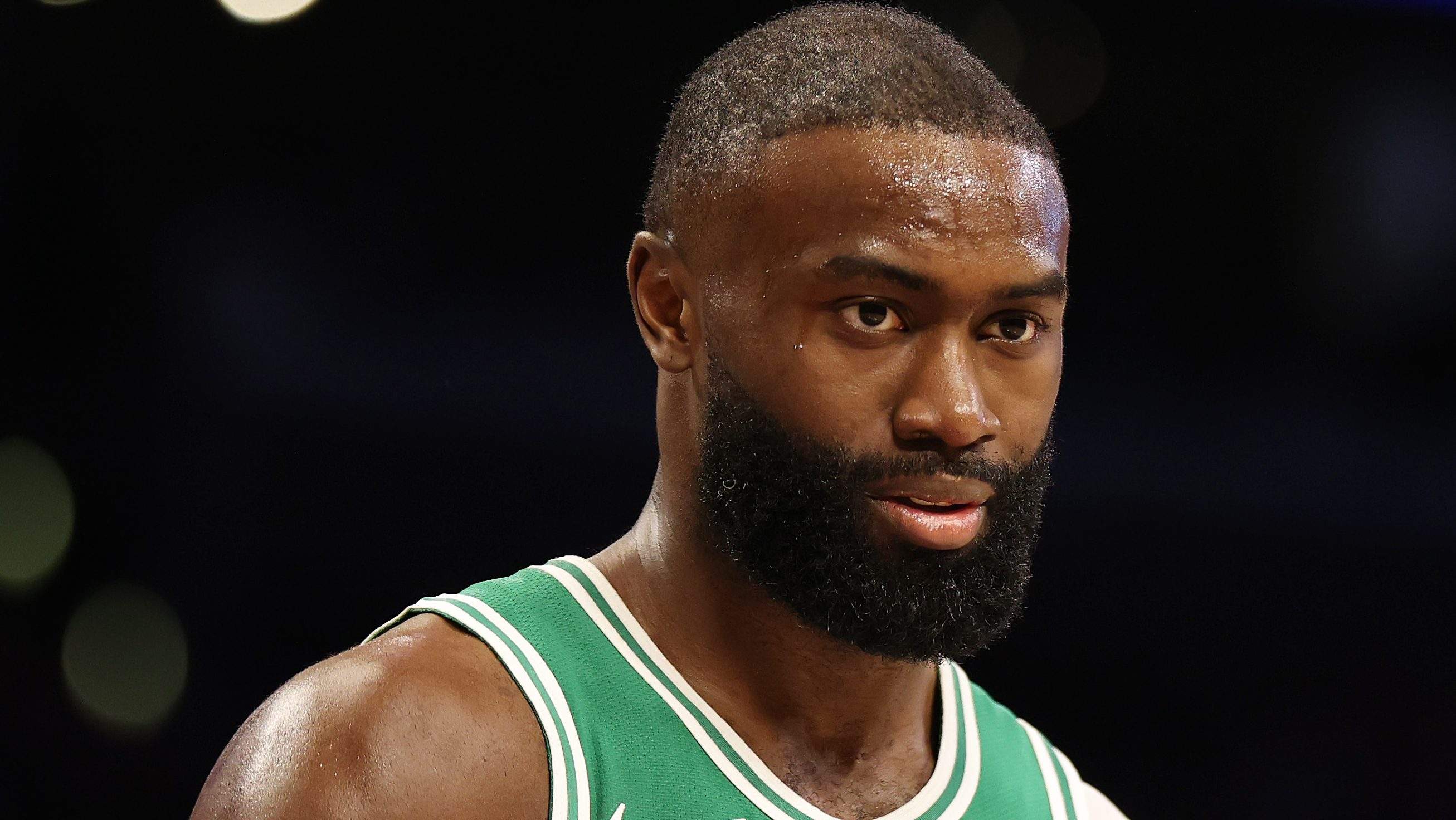
Brown had emerged as a centerpiece of the Celtics’ plans, delivering an MVP-caliber season the previous year. He averaged 28.7 points per game, added 6.9 rebounds and 5.1 assists, and helped Boston reach a 56-win record. The performance stood out not only because it gave him the chance to shoulder a heavier scoring load while Jayson Tatum dealt with an injury, but also because Brown took on a leadership role, guiding Boston’s younger players through the ups and downs of a rigorous season.
Even after the Celtics were ousted in the first round of the playoffs, Brown described that season as his “favorite.” That sentiment resonated with many Celtics fans who valued his competitiveness and growth, though it also created a sense of tension with the organization, which began reevaluating its long-term fit and strategy around Brown.
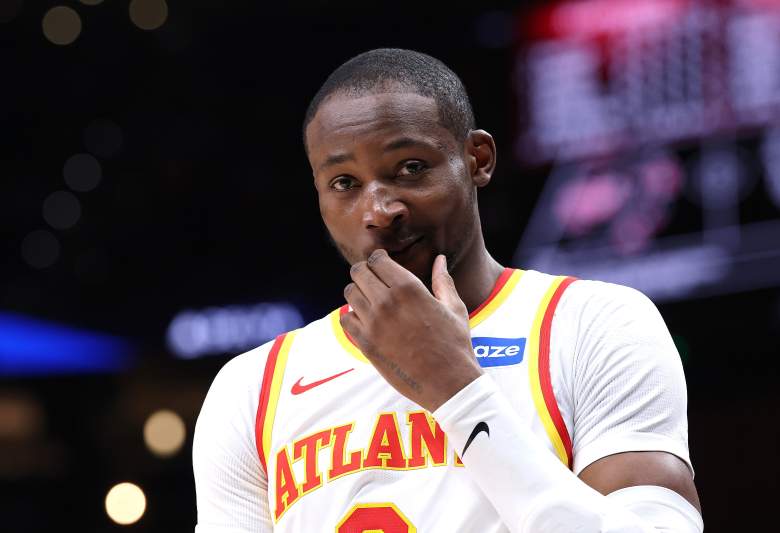
Inside the front office, the math and the optics of Brown’s impact were weighed carefully. Public discussions often spotlight Derrick White’s contributions and trajectory, especially during a season in which White’s shooting showed signs of inconsistency. While Brown was receiving praise for his superstar potential, the Celtics reportedly viewed White as having a more complete, efficient season in certain statistical measures. Some analysts on ESPN’s coverage noted that Boston’s leadership believed White produced a stronger overall year than Brown, even if Brown drew more attention for the potential MVP narrative.
These internal assessments contributed to the Celtics’ decision-making around Brown’s future with the team. The proposed trade that drew significant attention sent Brown to the Philadelphia 76ers in exchange for Paul George, a veteran star who has been in the NBA spotlight for years but who has also dealt with durability questions. The deal included two first-round picks and two second-round picks as part of the package. It’s worth noting that Brown is contractually tied to the Celtics for the next three years with $183 million remaining, with the possibility of a two-year extension beginning in July. The Celtics reportedly preferred not to shoulder that financial commitment in the next phase of their rebuild.
From a financial perspective, the Celtics restructured their expectations. They opted to build around White’s contract, which totals $98 million over three years, even though White’s shooting efficiency dipped during the prior season (roughly 39.4% from the field and 32.7% from three-point range). This shift suggests Boston valued White’s overall contribution, versatility, and fit with the rest of the roster more than Brown’s higher scoring but potentially less efficient impact.
The broader implications of this move extend beyond a single season. The Celtics now possess a different set of assets and flexibility as they navigate the long arc of their competitive window. While Paul George still represents a high-impact player with playoff pedigree, questions about health and fit remain, and the Celtics can reassess George’s role at the next stage—either through reintegrating him into the lineup or using him as a trade asset to bolster surrounding pieces. The organization can also explore how George’s presence—whether they retain him or move him—intersects with Jayson Tatum’s emerging role as a franchise cornerstone.
With Brown’s departure, Boston signals a willingness to recalibrate around their core talents and to pursue a balance between win-now results and sustainable growth. The front office’s approach reflects a broader philosophy: sometimes, redefining the core around players who complement the roster’s strengths can yield a more cohesive, adaptable team than clinging to a singular, high-profile star who may demand a different style of play or a heavy financial burden.
As fans and analysts digest the implications, the Celtics’ decision underscores the uncertainty and complexity of assembling a championship-caliber team in a league characterized by rapid changes and evolving player dynamics. The new lineup will need to demonstrate cohesion, optimize the talents of Jayson Tatum, and maximize the contributions of players like Derrick White, while also ensuring that financial commitments align with long-term competitive goals.
In the end, Boston’s move reflects a strategic prioritization of the present roster’s chemistry and depth, even if it means parting ways with a player who had become synonymous with the franchise’s recent identity. The next season will reveal how this recalibrated approach translates into on-court success, playoff positioning, and the organization’s ability to sustain growth as it adapts to new possibilities and challenges.