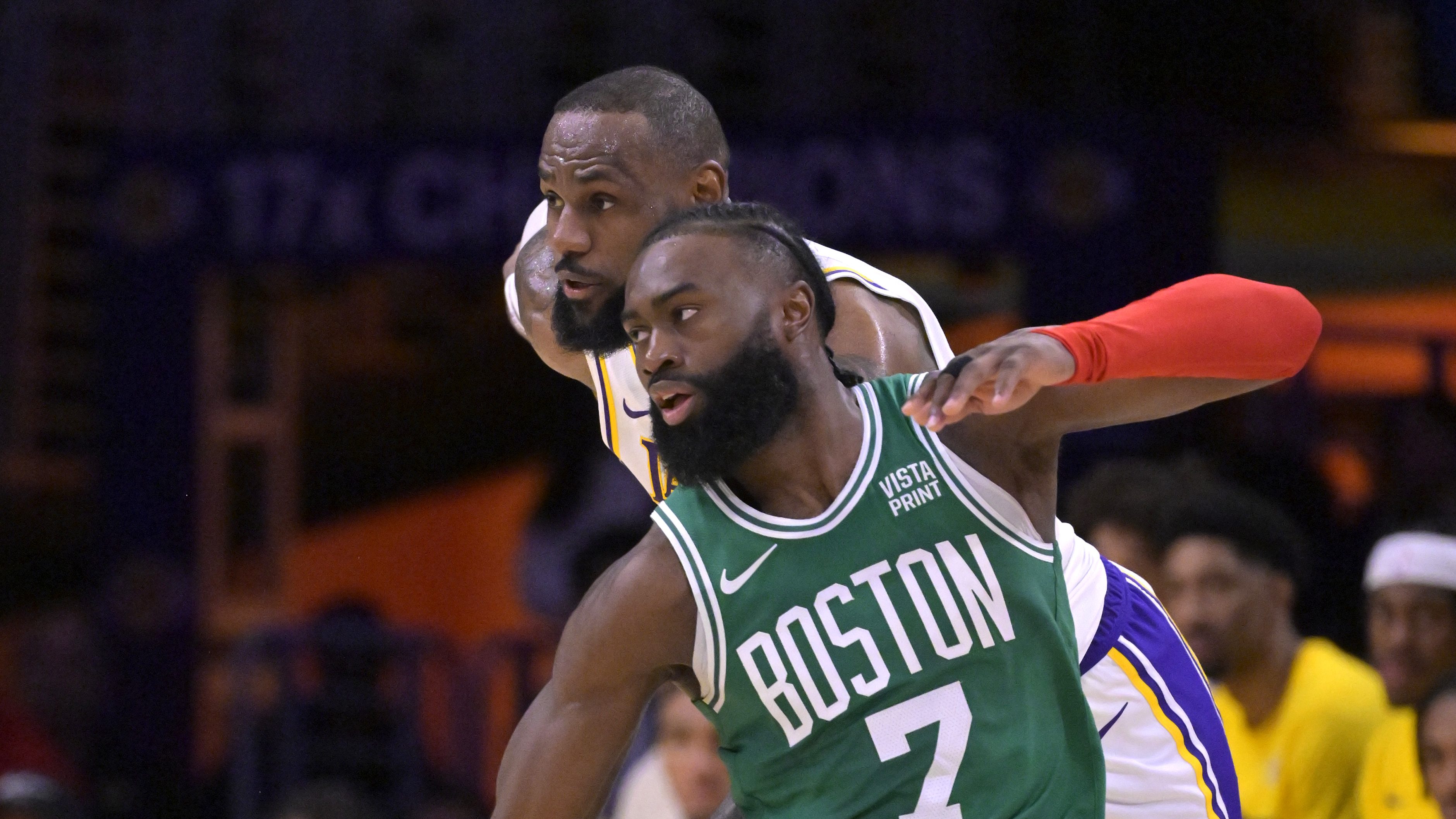
Rumors point to the Minnesota Timberwolves as a potential landing spot for LeBron. At first glance, the fit may seem unconventional, but a closer look at Minnesota’s roster reveals intriguing possibilities. The organization has been intent on building around superstar Anthony Edwards, who has emerged as one of the league’s top young talents. The Timberwolves reinforced that commitment recently by adding LaMelo Ball to pair with Edwards, creating an elite playmaking duo and another dynamic offensive threat.
LeBron joining Minnesota would instantly elevate the franchise into a different class of contenders. Pairing him with Edwards and Ball could form one of the most explosive and versatile trios in the NBA, especially in the Western Conference. LeBron’s championship experience, high basketball IQ, and ability to uplift teammates would complement Edwards’ scoring prowess and Ball’s creative passing. This combination could accelerate Minnesota’s trajectory toward sustained contention and potentially redefine the conference landscape.
The prospect of a LeBron-Edwards-Ball trio is more than just star power; it’s a strategic alignment that could maximize each player’s strengths. Edwards has already established himself as a prolific scorer and primary option, while Ball’s vision and ball-handling would simplify complex offensive sets and generate easy looks for teammates. LeBron’s versatility, leadership, and clutch pedigree would provide a steadying force and a blueprint for efficient late-game execution. In theory, the trio could evolve into one of the most dangerous offenses in the league, capable of both high-scoring outbursts and meticulous, playoff-caliber execution.
Free agency is in its early stages, and the landscape is rarely static. The familiar heavyweights—the Warriors, Heat, and Cavaliers—remain active participants in the pursuit of LeBron, exploring every possible avenue to maximize their championship windows. Yet Minnesota’s renewed interest signals that the offseason reserve of surprises is far from exhausted. If the Timberwolves can present a compelling case that they offer not only a path to immediate contention but also a sustainable framework for championships, the dynamic of the LeBron sweepstakes could shift in unexpected directions.
Several factors would influence whether LeBron would consider joining Minnesota. The organization must demonstrate a clear, competitive roster plan aimed at contending for championships in the near term, not just developing talent for the future. This includes evaluating the supporting cast, cap flexibility, and the ability to assemble complementary pieces who can contribute alongside Edwards and Ball. A successful pitch would need to address how Minnesota plans to manage the salary cap, maintain flexibility for future moves, and build a depth chart capable of withstanding the physical demands of a deep playoff run.
The possibility of LeBron entering a new market and culture also raises questions about fit, style of play, and off-court impact. Minnesota would need to ensure that its roster construction aligns with LeBron’s strengths—playmaking, decision-making under pressure, and the capacity to lift teammates through leadership and example. The coaching staff would play a crucial role in designing schemes that maximize the gravity of LeBron’s presence while preserving the development trajectory of Edwards and Ball.
Fans and analysts alike are watching how early negotiations unfold, understanding that free agency can be unpredictable. While the Timberwolves are not traditionally considered the frontrunners in the LeBron rumor cycle, their renewed interest adds a compelling wrinkle to one of the NBA’s most intriguing offseasons. If Minnesota can craft a persuasive path to championship contention that resonates with LeBron’s goals, the league could see a historic addition that reshapes competitive dynamics in the Western Conference.
As free agency progresses, the conversations surrounding LeBron James will likely broaden beyond traditional powerhouses. The Timberwolves’ involvement illustrates how teams with rising young cores can pivot quickly, presenting veteran stars with opportunities to maximize their chances at another title. The next few weeks will be pivotal as franchises lay out their plans, weigh risks and rewards, and negotiate the delicate balance between immediate contention and long-term growth.
In the meantime, fans should stay tuned for official updates, since the landscape of free agency can shift rapidly. The league’s top players, teams, and executives will continue to navigate a complex web of contracts, cap considerations, and strategic decisions that will ultimately determine the shape of the NBA for seasons to come.