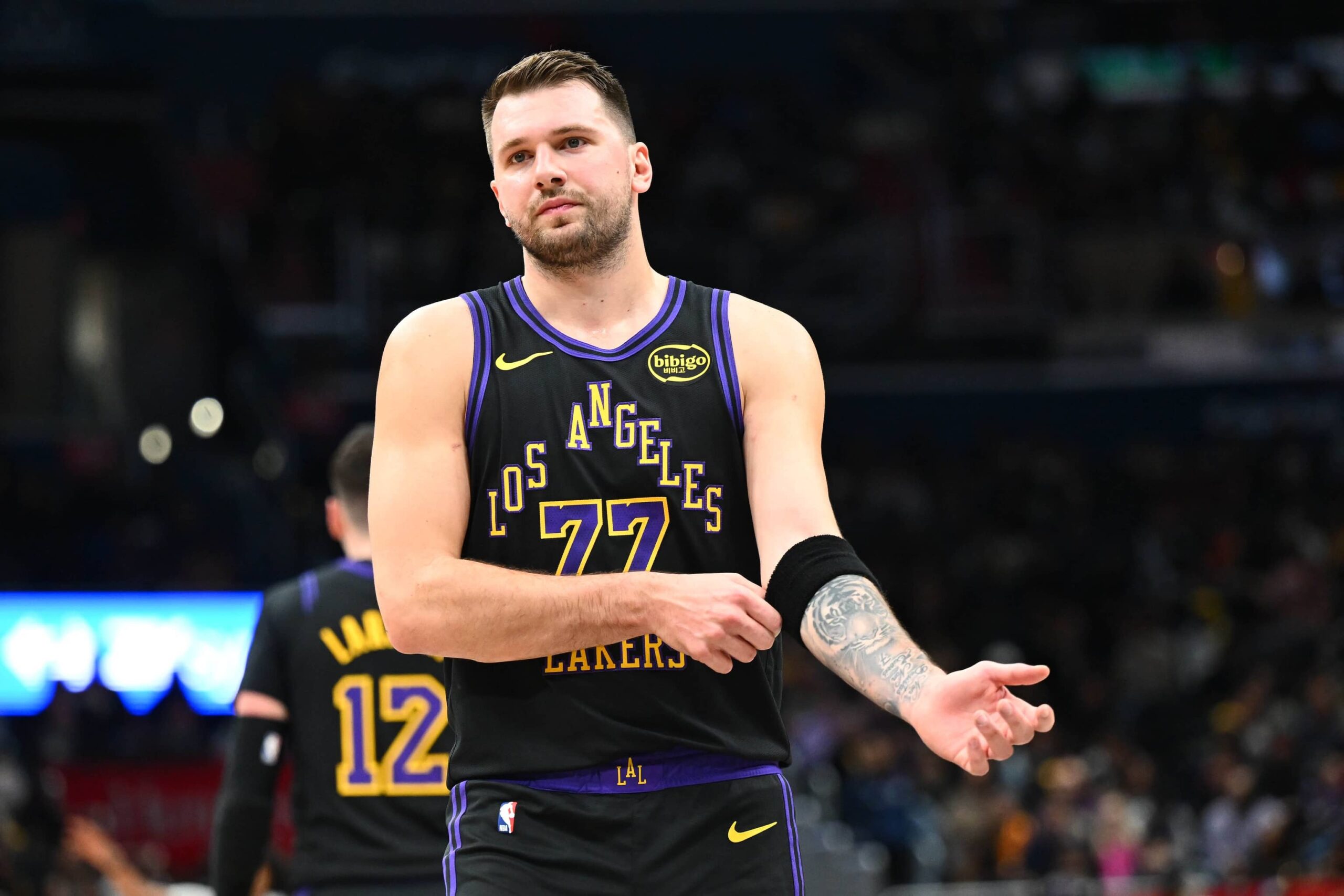
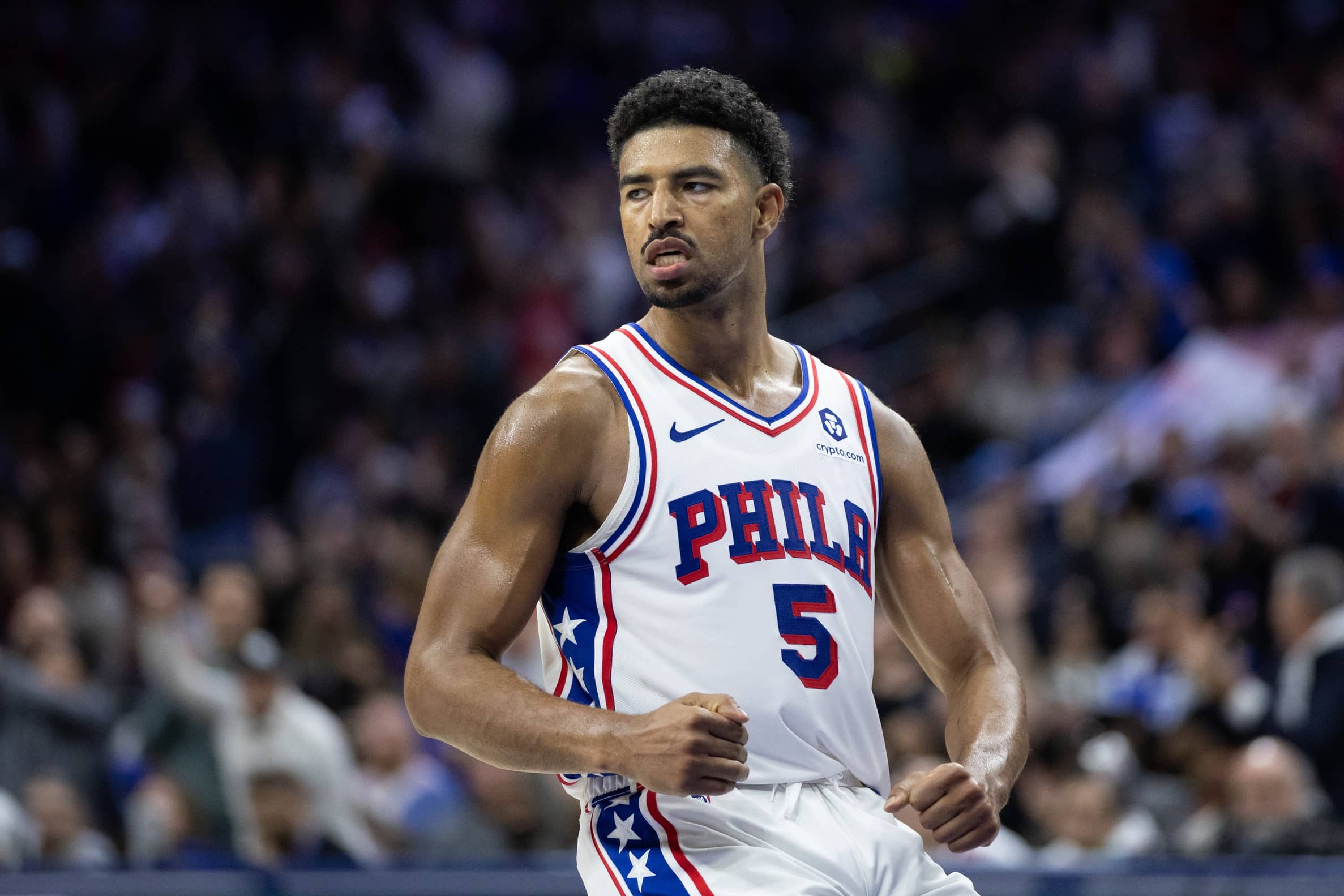
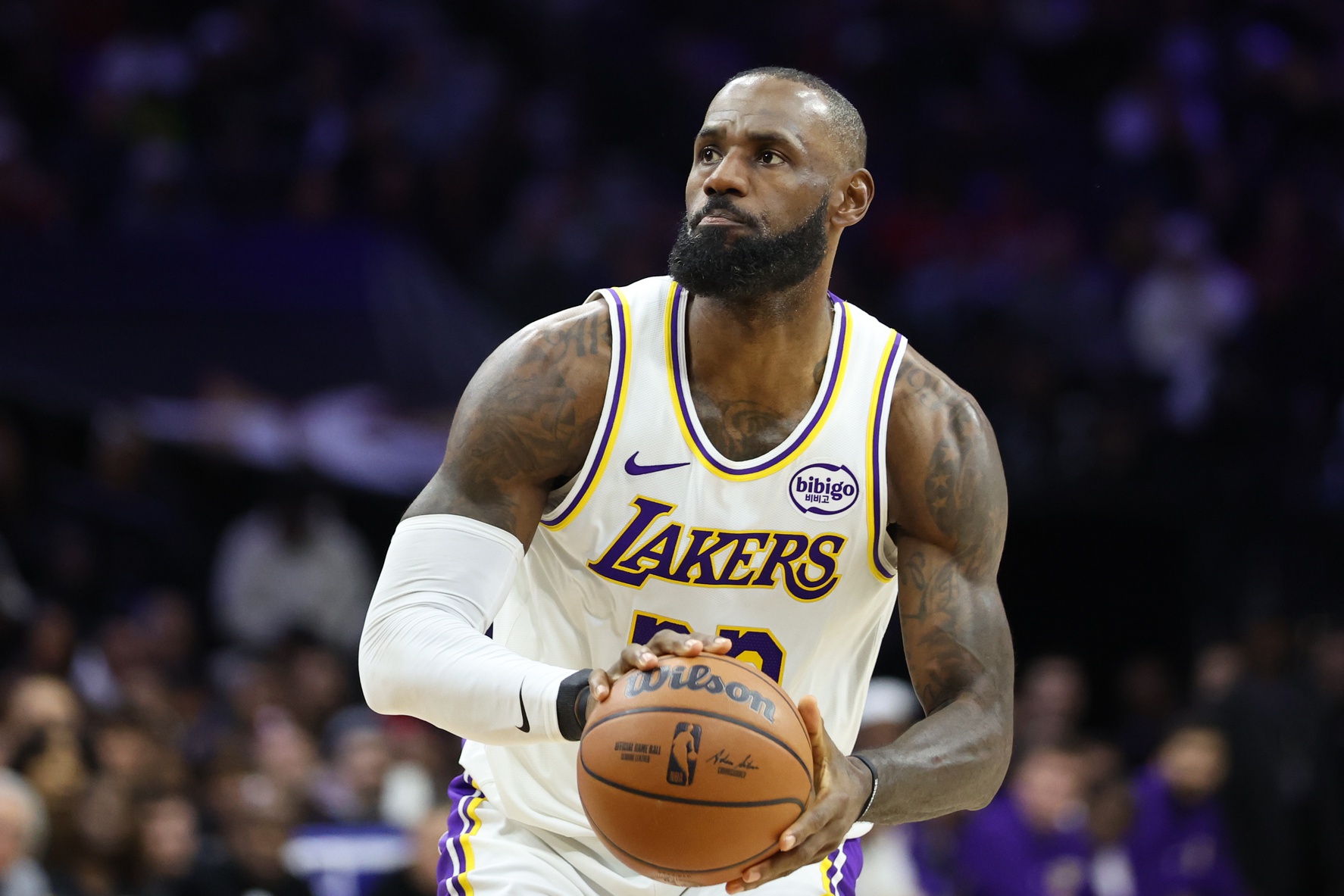
Reported targets include Jalen Duren, Walker Kessler, Peyton Watson, Mitchell Robinson, Sandro Mamukelashvili, Luke Kennard, and Rui Hachimura. The list reflects a balance of rim protection, vertical spacing, and reliable shooting—elements Doncic emphasized in a recent outreach about his preferred supporting cast. Doncic has repeatedly stressed the importance of shooters around him to mitigate double teams and maximize his playmaking. He also called for a center who can protect the rim and finish lobs, underscoring the need for a reliable anchor in pick-and-roll scenarios.
The Lakers’ new financial flexibility broadens the team’s possible directions. General manager Rob Pelinka can pursue a mix of players who provide rim protection, shooting, and versatile defense, rather than chasing a single traditional scorer. Several of the listed targets fit neatly into this blueprint:
– Jalen Duren and Walker Kessler would bring real rim protection and athletic finish capability, helping finish plays at the rim and open up lob opportunities for Doncic.
– Mitchell Robinson adds shot-blocking presence and above-average verticality, contributing to a more intimidating interior defense while staying mobile enough to switch on the perimeter when needed.
– Sandro Mamukelashvili offers stretch potential and floor spacing, providing a floor-stretching frontcourt option that can complement Doncic’s playmaking.
– Luke Kennard stands out as one of the league’s elite movement shooters, giving Doncic reliable off-ball gravity and catch-and-shoot opportunities that curb defensive sagging.
– Rui Hachimura represents a flexible wing who can defend multiple positions and provide scoring punch without needing the ball to be dominant in every possession.
– Peyton Watson, a versatile defensive prospect, could be a valuable two-way wing, offering length and switchability.
The center position remains a priority in the Lakers’ plans. Doncic’s effectiveness in Dallas has repeatedly leaned on athletic centers who can protect the rim and run the floor, creating easy lane finishes and efficient pick-and-rolls. His best offenses have leveraged centers who can jump, play above the rim, and threaten defenses with lob threats. This dynamic forces defenses to choose between protecting the rim and contesting shooters on the perimeter. If the Lakers can replicate that balance, Doncic’s strengths—his vision, decision-making, and ability to read coverages—can flourish.
This approach also aligns with Doncic’s public comments about the kind of team he believes will maximize his talents. He has stressed the need for shooters around him and for centers who can protect the rim and finish at the rim. The Lakers’ plan to surround Doncic with a combination of floor spacers, athletic bigs who can protect the paint, and versatile wings makes strategic sense given his skill set and playmaking instincts.
Beyond the X’s and O’s, the broader organizational direction is clear. Pelinka has signaled a long-term commitment to building around Doncic’s unique skill set, aiming to craft a roster that matches his vision for how basketball should be played. The challenge is translating this flexible cap space into concrete roster decisions—identifying players whose strengths complement Doncic’s playmaking, and ensuring the defense remains solid while the offense gains more spacing and pace.
In the wake of LeBron James’s departure, Doncic’s impact story becomes more central. The Slovenian superstar has already expressed appreciation for his former teammate while signaling that the real objective now is constructing a championship-caliber roster around him. The Lakers’ offseason plan, therefore, should focus on acquiring proven shooters, versatile defenders, and reliable rim protection to complement Doncic’s extraordinary playmaking ability.
In summary, the Lakers’ post-LeBron era offers a rare opportunity: the chance to tailor a roster precisely to Luka Doncic’s strengths. By prioritizing rim protection, shooting, and versatile defense, while maintaining enough length and athleticism to close gaps on the perimeter, the franchise can set a course for sustained success. If Pelinka successfully translates cap space into a cohesive, complementary supporting cast—one that includes elite shooters, a rim-running big, and adaptable defenders—the Lakers could establish a strong foundation for years to come, anchored by one of the league’s brightest young superstars.