Daniels remains the presumptive starter, with at least two more seasons of control. Yet the reality is that injuries, inconsistency, or age could alter the quarterback room more quickly than anticipated. When a team leans heavily on a single quarterback, the depth behind him becomes a pressing concern. The Commanders appear to be addressing that need by investing in a younger prospect who could grow into a long-term solution.
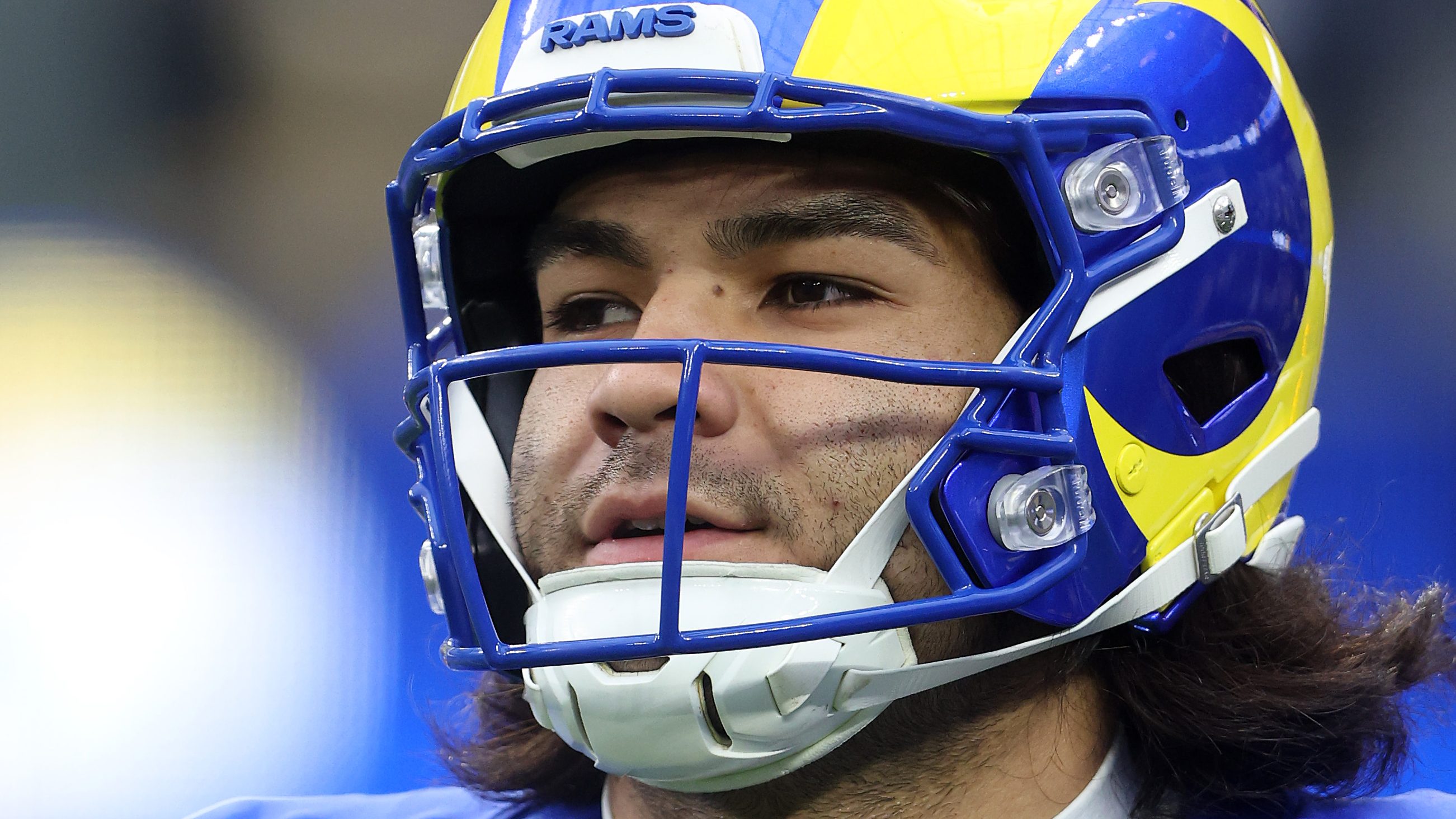
The team used a seventh-round pick on Athan Kaliakmanis, a quarterback whose college arc suggests both potential and developmental hurdles. Evaluators have noted that Kaliakmanis arrives with a high football IQ and a quick release, cultivated over a five-year collegiate career spanning two programs. He started 42 games across Minnesota and Rutgers, posting a mix of strong moments and areas that require refinement. His statistics show a capable passer who can process defenses and execute in a structured system, yet he will need continued growth in accuracy, decision-making, and consistency to reach a higher NFL ceiling.
Analysts have framed Kaliakmanis as a developmental project—an asset with the upside to contribute as a No. 3 quarterback as early as his rookie season, while simultaneously competing for a more prominent role in subsequent years if he progresses as hoped. In this role, he would be tasked with understanding complex offensive schemes and developing chemistry with pass catchers and protection units. The path to a substantive backup role is challenging, but not out of reach for a quarterback with his experience and intelligence.
The decision to add Kaliakmanis signals a broader strategy: the Commanders acknowledge the importance of having a high-quality developmental quarterback who can be groomed behind the starter and veteran backup. While the current veteran in the room remains, the organization has not shied away from bolstering the pipeline, recognizing that a young quarterback with steady improvement can eventually emerge as a trusted option if called upon.
The dynamic at the No. 3 quarterback spot has been a point of emphasis in evaluation circles. The roster historically has leaned on a veteran presence as a stabilizing force behind the starter, but Kaliakmanis represents a different kind of ceiling—one tied to growth over time rather than immediate impact. If he competes effectively, he could carve out a niche as the development track progresses, with the potential to challenge for the No. 2 role or beyond in the future, depending on how the rest of the quarterback room evolves.
In discussing Kaliakmanis’ fit, scouts have highlighted his ability to operate in play-action concepts and his comfort with reading defenses. The transition from college to the professional level involves adjusting to faster processing, tighter windows, and more complex coverage schemes. Kaliakmanis must demonstrate improvements in placement and timing over the first two levels of the field to earn the confidence required for a higher-tier backup role.
The 2025 season provided a reminder of the volatility that can accompany quarterback depth charts. The franchise endured a challenging stretch marked by injuries to the starting quarterback and underwhelming performances from the veteran backup, which underscored the need for a plan behind the top two. By drafting Kaliakmanis, the Commanders signaled a clear intention to develop internal options and reduce the long-term dependence on veteran stopgaps.
The dynamic between the incumbent starter and the veteran backup remains a critical factor in the team’s near-term plans. If Daniels continues to grow and stay healthy, the immediate emphasis will be on strengthening the organizational habit of steady development at every other position while preserving a competitive environment within the quarterback room. If Daniels encounters setbacks, Kaliakmanis could be thrust into earlier opportunities, testing his readiness to contribute.
In terms of roster construction and future projections, Kaliakmanis’ progress will be closely watched through offseason training activities, organized team practices, and preseason games. His development trajectory—ranging from mental processing to accuracy across different levels of the field—will shape how aggressively the team continues to invest in him as a long-term backup.
For fans focused on the long view, Kaliakmanis’ collegiate resume offers a reasonable foundation. The quarterback’s experience across two programs, his 42 career starts, and his reported work ethic suggest a player who can absorb coaching and steadily improve. If he continues on a favorable development path, his eventual role could extend beyond ceremonial third-string duties, potentially contributing as a reliable depth option and a potential successor if circumstances require a change at the top of the depth chart.
In analyzing the current quarterback situation, it is essential to balance expectations with reality. Development takes time, and rookie signals often require patience. The Commanders’ bet on Kaliakmanis reflects a measured approach to long-term quarterback planning: invest in a smart, experienced prospect who could blossom into a valuable asset behind a proven starter, while maintaining strong competition within the room to ensure readiness for any scenario.
The road ahead will test the organization’s ability to manage a layered quarterback depth chart, cultivate development, and maintain continuity across the offense. With Daniels and Mariota providing stability in the short term and Kaliakmanis positioned as a high-upside project, the franchise aims to build a quarterback pipeline that can endure beyond the present season. The success of this plan will depend on continued growth, disciplined development, and the continued identification of complementary pieces around the offense to maximize any potential upside from its signal-callers.