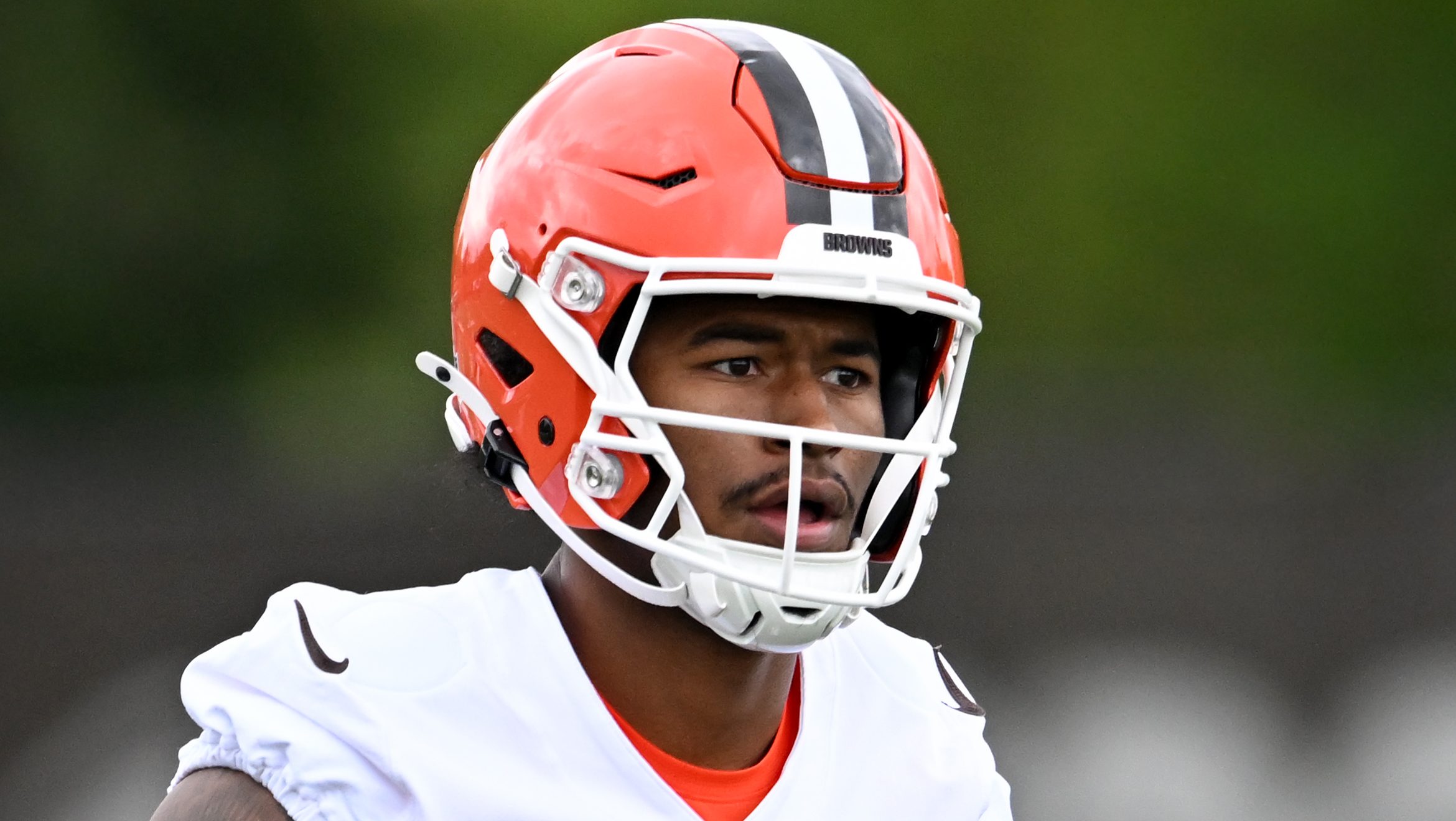
Early offseason showings and the surrounding chatter have already stirred questions about Willis’ readiness to handle the role as a full-time starter. After a series of evaluative drills and practice sessions, analysts and fans alike have begun to assess whether Willis can translate his prior upside into sustained success at the NFL level, especially given the Dolphins’ surrounding roster composition.
Points of context surrounding Willis and Miami
– Contract and expectations: Willis’ three-year deal carries substantial guarantees, signaling that the Dolphins intend to give him an extended opportunity to prove he can be a franchise quarterback. This arrangement typically accompanies an expectation of substantial playing time, at minimum to determine whether he can grow into the role.
– Supporting cast concerns: A recurring theme in early assessments is the quality of the surrounding personnel. Critics note the Dolphins’ wide receiver room will need to reestablish its playmaking impact, and questions have been raised about the depth at key positions. In-game decision-making and timing will rely heavily on the ability of receivers to create separation and defenders to respect vertical threats.
– Scheme and development: Willis arrives with a background that features a blend of mobility and arm talent. For him to maximize his strengths, the Dolphins will need to provide a development path that emphasizes quick-processing reads, clean pocket movement, and designed throws that leverage his traits. The coaching staff’s ability to install a sustainable, attacker-friendly offense will be crucial for his early success.
– External scrutiny: Analysts have proposed several scenarios for Willis’ tenure in Miami. Some experts warn that a limited surrounding roster could hamper his development and lead to a challenging first season, while others argue that a favorable environment could unlock the raw potential he showed earlier in his career. The reality likely lies somewhere in between, with Willis needing to adapt to a higher level of competition and consistency in play-calling.
What to watch for in mini-camps and training camp
– Ball security and decision-making: Willis’ ability to protect the football and make quick, accurate reads will be under close observation. Turnovers at the NFL level can derail a quarterback’s early tenure, so clean decision-making will be a focus.
– Pocket presence and mobility: Willingness to maneuver within the pocket and extend plays will influence the offense’s upside. Coaches will evaluate whether Willis can use footwork to create throwing lanes without sacrificing ball security.
– Chemistry with receivers: Building trust with his targets is essential. While the depth chart has undergone changes, the offensive system should aim to maximize Willis’ timing and anticipation, particularly on intermediate routes and quick throws that mitigate pressure.
– Red-zone efficiency: Scoring red-zone touchdowns rather than settling for field goals will be a key barometer of progress. The quarterback’s ability to diagnose defenses and deliver accurate balls in tight windows is a major determinant of offensive success.
– Turnaround potential for the offense: A supplemental emphasis will be on the coaching staff’s ability to tailor the game plan to Willis’ strengths. If the system is aligned with his capabilities, the Dolphins could experience a rapid offensive uptick, even in a year of transition.
Broader implications for the franchise
– Long-term planning: The Willis acquisition signals a commitment to a longer-term quarterback project rather than a quick fix. The Dolphins’ front office may be prioritizing development time to evaluate whether Willis can be the answer, or if further quarterback assets will be pursued in the future.
– Talent evaluation across the roster: The surrounding roster will play a decisive role in Willis’ trajectory. A strong offensive line, a reliable ground game, and dynamic playmakers at wide receiver are all critical to taking pressure off a developing quarterback.
– Draft and roster strategy: If Willis demonstrates progress but remains inconsistent, the organization could consider additional measures to bolster the offense in the coming seasons. This could include strategic drafting or targeted acquisitions designed to enhance the supporting cast and create a more conducive environment for quarterback growth.
In summary, the Dolphins’ move to install Malik Willis as the presumed starter for the 2026 season reflects a deliberate shift toward a multi-year evaluation of his fit as the franchise quarterback. As minicamps and training camp unfold, the football world will be watching closely to see whether Willis can translate his previous potential into consistent, high-level performance within Miami’s system. The coming months will determine whether this is the beginning of a promising era in South Florida or a transitional phase that points toward additional roster and quarterback evolution in the near future.