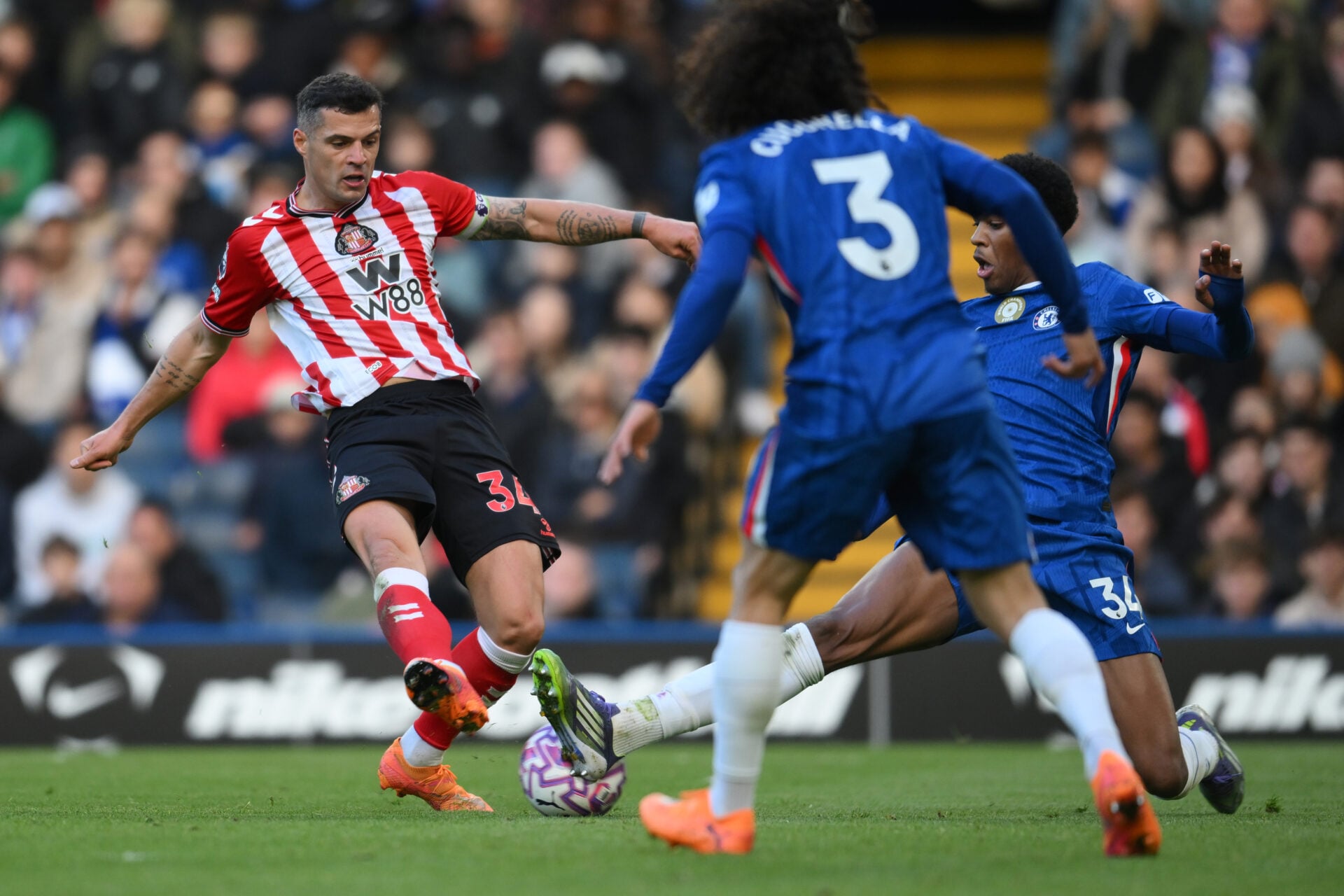
Reece James has suffered another hamstring injury during the World Cup, a reminder of the ongoing physical toll the winger has endured in recent seasons. Tuchel, who previously managed James at Chelsea, has long understood the demanding nature of his schedule and the risks that come with frequently asked 90-minute performances.
Tuchel’s tenure at Chelsea included 100 matches in which James missed 19 games, two of which were hamstring-related injuries that have lingered over time. This history should have signaled that pushing James to play extended minutes regularly could backfire, particularly in a tournament setting where recovery windows are tight and form must be maintained over a condensed calendar.
Throughout their time together at Stamford Bridge, Tuchel’s decision-making around James’s role drew considerable scrutiny. Some critics argued that James performed best when deployed in his natural right-back position, while others noted that moving him into central midfield could reduce his overall effectiveness and increase his injury risk. The balance between maximizing James’s athleticism and preserving his fitness has been complex, especially when competing at the highest levels where every match carries significant stakes.
In recent seasons, Chelsea often benefited from the reduced physical load on James when teammates, such as Moises Caicedo, contributed more consistently in midfield, allowing for a more flexible approach to squad selection. James’s standout performances in key fixtures—such as a 1-1 draw against Arsenal where his contributions in midfield were highly influential—illustrate that his talents are multi-faceted. Yet these same performances underscore the importance of safeguarding his long-term availability.
The World Cup edition presents added pressures: the risk of prolonged absence for England if James is unavailable, and the potential knock-on effects for club plans as new tactical setups are explored under Xabi Alonso, should he return to Chelsea in the future. While Tuchel is widely regarded as an elite manager, the broader question remains about how best to utilize James to maximize both club and country success without compromising his fitness.
Moving forward, both England and James, along with Tuchel, will be assessing recovery timelines and fitness developments closely. The priority is to ensure that James can return to form while minimizing the chance of re-injury, allowing him to contribute effectively when he is fit and fully prepared to compete.
Key context:
– Reece James has a history of hamstring injuries that impact his availability.
– Managing his load is essential to prevent long-term setbacks.
– Strategic positioning and workload management are ongoing considerations for Tuchel and England’s coaching staff.
– The World Cup presents a high-pressure environment where player fitness directly influences team performance.
With the tournament underway, the focus remains on James’s recovery trajectory and how his presence, once fully fit, could influence England’s campaign and Chelsea’s tactical plans upon return. The long-term goal for all parties is to safeguard a player who has repeatedly demonstrated versatility and quality at the highest level.