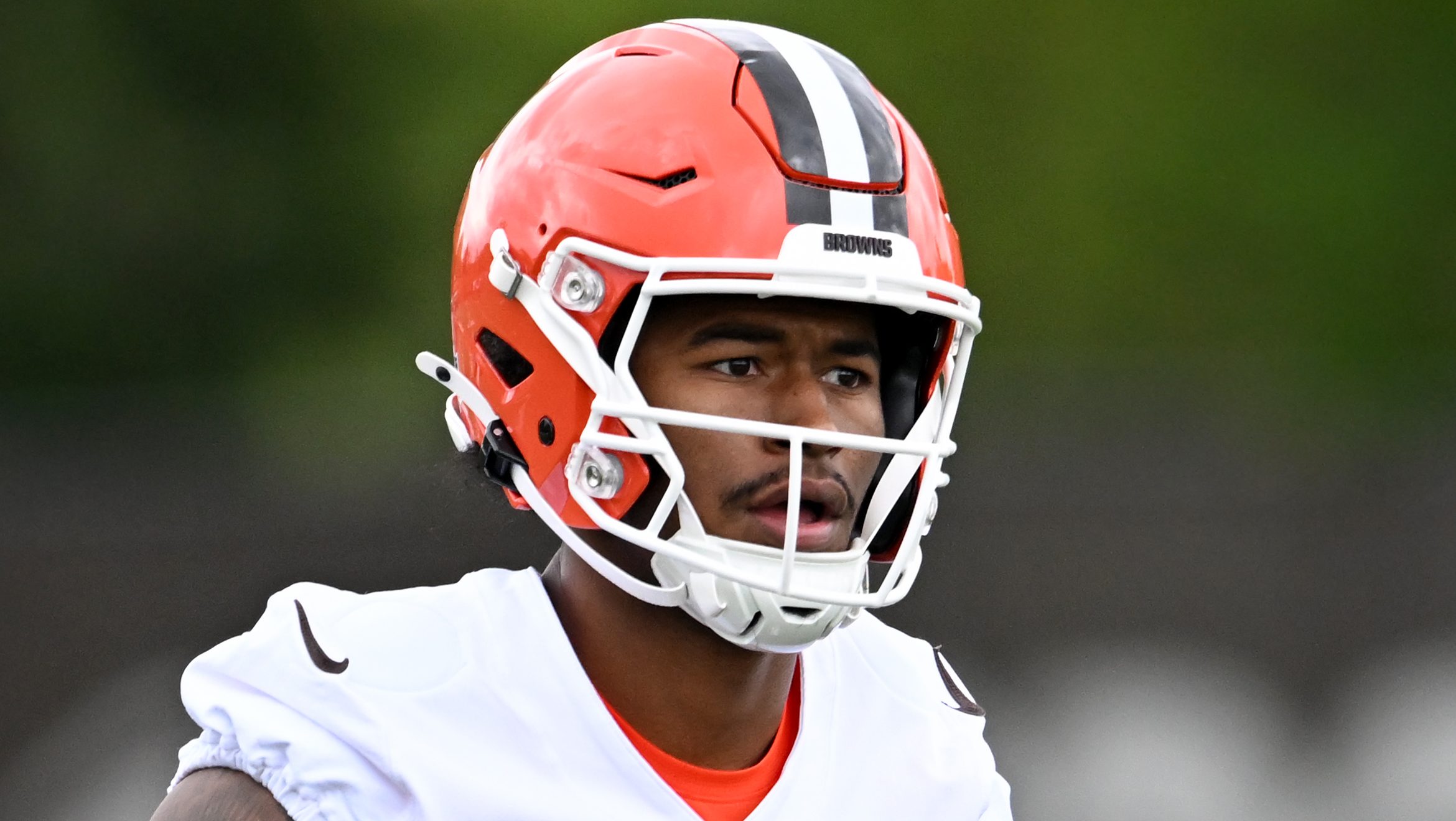
Among the two newcomers, Lane is viewed as the one with higher long-term potential and natural playmaking ability. However, Elijah Sarratt has drawn attention for his current readiness and steadier projection as a complementary, reliable option from day one. Observers in Baltimore have suggested that Sarratt could be the kind of player who contributes right away, even if a role as a full-time starter isn’t guaranteed in his rookie year. The underlying message from analysts is that his mentality, work ethic, and consistent production in college position him to adapt quickly to the NFL game.
Industry opinions about Sarratt’s readiness highlight a few key traits. At 6-foot-2 and around 210 pounds, Sarratt is seen as a physical receiver capable of functioning as a chain-mover who can rack up receptions with his size and route leverage. While there are questions about his long speed and separation, his college production—characterized by reliable hands and strong ball-tracking ability—suggests he can translate to a role as a valuable target in the short-to-intermediate areas of the field. The anticipation is that, in the Ravens’ offense, Sarratt could find opportunities to contribute in the red zone and as a versatile option behind Flowers and the established receiving corps.
Sarratt’s college résumé reinforces the expectations. He had an impressive final season at Indiana, leading to a standout performance with 15 receiving touchdowns in 2025, a figure that helped him claim a national spotlight while he studied at Indiana and then James Madison. His journey includes a notable ascent from a modest start at FCS St. Francis (Pa.) as a true freshman to earning All-Sun Belt Conference honors during his time with James Madison. Those achievements underline his ability to grow, adapt, and deliver in different systems and levels of competition.
Analyzing Sarratt’s skill set through scouting lenses reveals a player with notable competitive fire and a knack for catching contested throws. Projections describe him as having an advanced catch-phase execution and a willingness to compete for the ball at the catch point. Critics note areas for improvement, such as technique against press coverage and foot speed, but these are exactly the types of traits that can be refined with NFL coaching and game experience. The consensus is that Sarratt brings reliability as a possession receiver who can contribute in the short and intermediate routes, with the potential to expand his role as he develops his separation and release skills.
The Ravens’ draft approach this year emphasized offense and pass-game versatility. By adding Lane and Sarratt in the 3rd and 4th rounds respectively, Baltimore signaled a commitment to building depth that can contribute immediately while also developing into long-term contributors. Lane’s profile suggests a higher ceiling for explosive plays and big-game impact, whereas Sarratt’s profile emphasizes consistency and durability—traits that can help stabilize a position group that has needed dependable options behind its top targets.
From a broader perspective, the arrival of these two receivers is part of a larger strategy to strengthen the Ravens’ passing game and diversify the offense. The organization has shown a willingness to take calculated risks on players who come from varied backgrounds and different levels of college competition, with the aim of uncovering hidden value and creating matchup problems for defenses. If Lane progresses as hoped, he could evolve into a dynamic playmaker who stretches defenses vertically and creates opportunities for the rest of the unit. If Sarratt continues to show the readiness and consistency that scouts have highlighted, he could quickly become a trusted option on early downs and in red-zone situations, providing a steady complement to Flowers and the rest of the receiving corps.
In terms of immediate expectations, Sarratt’s path could involve earning a steady role as a reliable target in three- and four-wide formations, with opportunities to line up in multiple spots, including outside, in the slot, and in certain red-zone packages. His ability to adapt to different coverages, combined with his size and catch-radius, makes him a candidate to contribute early in the season, even if as a complementary piece rather than the primary target. Lane, meanwhile, could push for increased reps as the season unfolds, bringing home-field-tilting potential and a higher ceiling if he can translate college-level ball-tracking into NFL-level route running and separation.
Ultimately, the Ravens’ draft picks aim to address a critical area with players who can contribute in the near term while also building for sustained success. The combination of Lane’s upside with Sarratt’s reliability offers a balanced approach to improving the depth and versatility of the receiving corps. If both players reach their projected trajectories, Baltimore could enjoy a more dynamic and dangerous passing attack, capable of testing defenses in multiple ways and supporting a growing offense around a dynamic backfield and a solid quarterback foundation.
As the 2026 season progresses, observers will watch how these rookies adapt to the pace, physicality, and complexities of the NFL. The expectation is not that they will instantly replace the production of established veterans, but that they will provide meaningful contributions, expand the playbook, and push the team toward a more complete and resilient aerial attack. With steady development, Lane and Sarratt could become cornerstone pieces in a receiving corps that has long sought reliable depth and consistent production at every depth of the field.