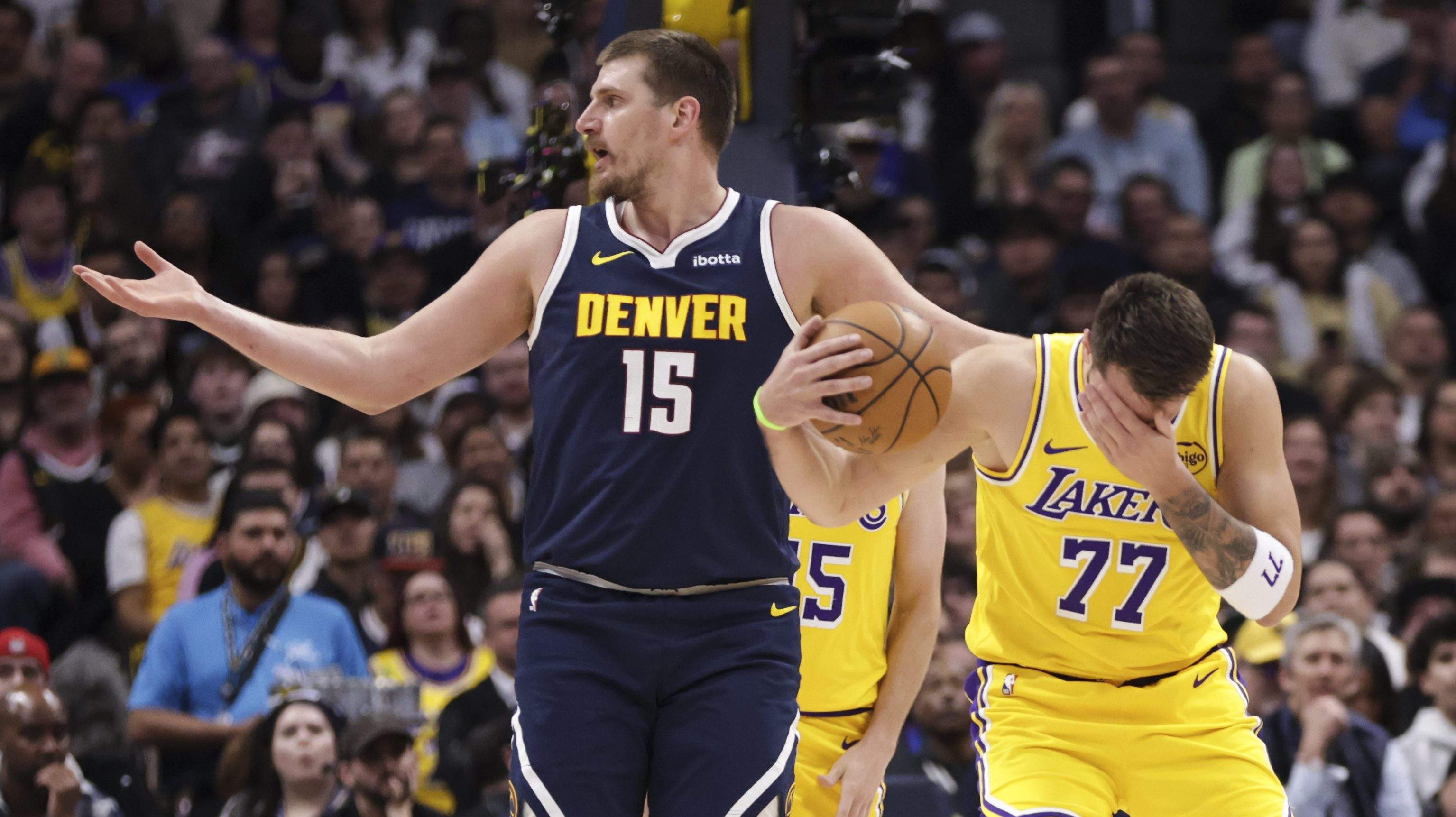
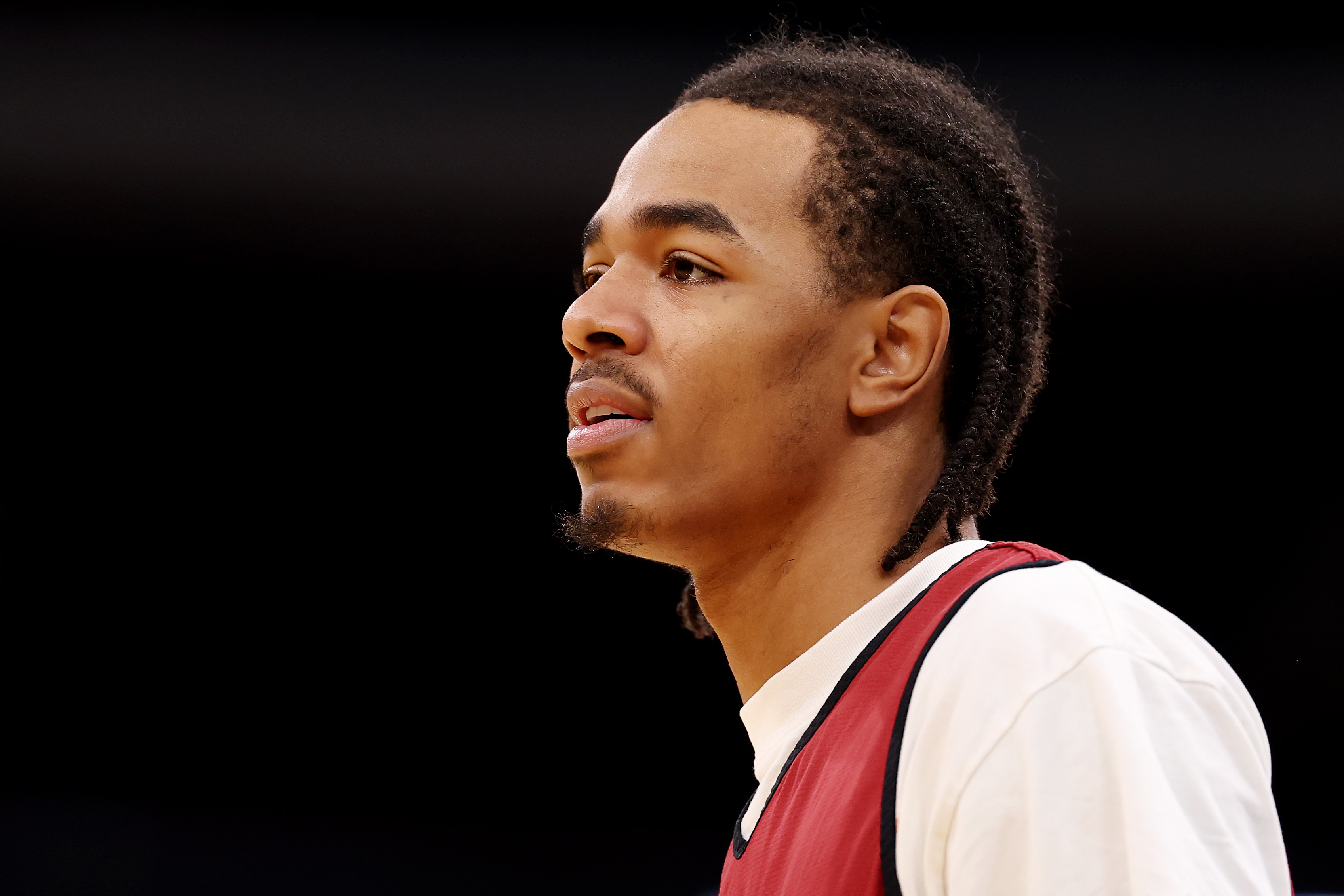
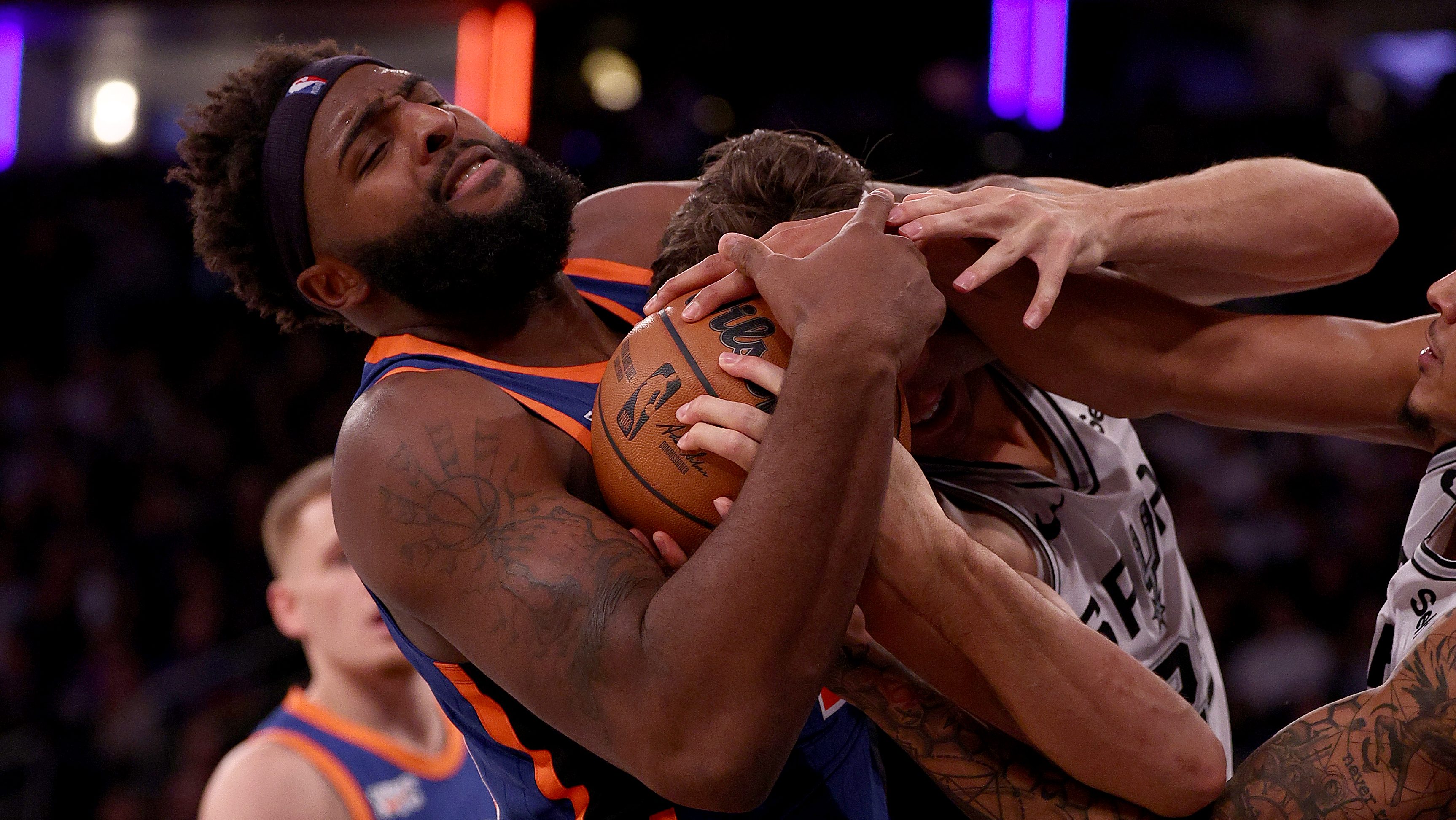
The trade for Ball came as part of a busy week for the Timberwolves, who also executed another major deal just days prior by sending Julius Randle to the Brooklyn Nets. With Ball in the fold, Minnesota is clearly aiming to accelerate its contention timeline. Ball brings a high-pace style of play, court vision, and scoring ability that can complement Edwards’ scoring instinct and defensive energy. Together, they offer a backcourt dynamic that opponents will have to game-plan for, potentially elevating Minnesota’s offense while challenging defenses with two versatile ball-handlers who can create for others and themselves.
Could Minnesota Be Building Toward Another Major Addition?
Even with Ball now on the roster, questions remain about whether Minnesota might pursue another star to pair with Edwards. The Timberwolves have shown a willingness to swing for high-impact players, and there has been buzz about potential interest in veteran stars who could fit alongside Edwards, Ball, and a reshaped supporting cast. The front office has not shied away from exploring bold moves, especially when the goal is to maximize win-now potential while remaining flexible for the future.
In trade discussions that have surfaced in basketball circles, Minnesota reportedly engaged with several teams about star players who could uplift the lineup. One name that frequently appears in these conversations is a former Finals MVP who remains one of the most dynamic wings in the league when healthy. However, landing such a player would require a substantial package of assets, and any deal would hinge on the willingness of the other team to part with a cornerstone veteran who has a long-term impact on both ends of the floor.
Assessing Minnesota’s assets helps frame the feasibility of a blockbuster trade. The Timberwolves possess a mix of young talent and veteran depth, including players who have already shown the ability to contribute at high levels. The challenge for Minnesota is balancing the desire to add a star with the need to preserve enough depth to remain competitive across the regular season and playoffs. A hypothetical offer would likely begin with a rising young forward who has shown two-way potential, along with multiple draft picks and perhaps a veteran guard who can help anchor the lineup during a transition period. Such a package could attract interest from contending teams looking to reshape their rosters around a proven star.
Yet, there are practical considerations. For a star of that caliber, teams typically seek a sizable return that preserves organizational flexibility. It’s worth noting that any proposal would need to align with the long-term trajectory of Minnesota’s core, including Ball and Edwards, while not gutting the depth that has been cultivated over recent seasons. If a deal pressures the Timberwolves to part with essential role players or draft capital, the team would need to weigh the immediate upgrade against potential future holes.
The Ball addition should be viewed in the broader context of Minnesota’s strategy. The franchise has demonstrated a willingness to take calculated risks to accelerate its competitive window, especially after earning two trips to the conference finals in the past three years. The aim is clear: assemble a dynamic, versatile backcourt and surrounding cast that can keep pace with the league’s top offenses and provide enough defensive versatility to contend in the postseason.
Looking ahead, the Timberwolves’ outlook will depend on several factors, including Ball’s adaptation to the NBA and how quickly he meshes with Edwards. Ball’s ability to drive play, initiate offense, and conserve possessions will be crucial for unlocking Edwards’ scoring opportunities and maintaining a balanced offensive attack. If the pairing proves effective, Minnesota could become a formidable challenge for teams in the Western Conference, capable of generating mismatches and sustaining pressure across quarters.
In the meantime, fans and analysts will monitor any additional moves the franchise might consider. While the idea of landing another marquee star generates excitement, it’s essential to anchor such discussions in practicality: the team must preserve depth, maintain financial flexibility, and ensure that any trade aligns with a cohesive, long-term plan. The path to contention often requires a delicate balance between bold, high-reward acquisitions and preserving the chemistry and structure that have already begun to take shape.
As the season unfolds, the Timberwolves’ progress with Ball and Edwards will offer a clear measure of how quickly this new backcourt can develop into one of the league’s most effective duos. If their chemistry flourishes and the supporting cast steps up, Minnesota could establish itself as a legitimate challenger in a competitive Western Conference landscape. The coming months will reveal whether the front office’s strategic bets pay off and whether Minnesota can add further pieces that complement the Ball-Edwards dynamic without sacrificing crucial depth.