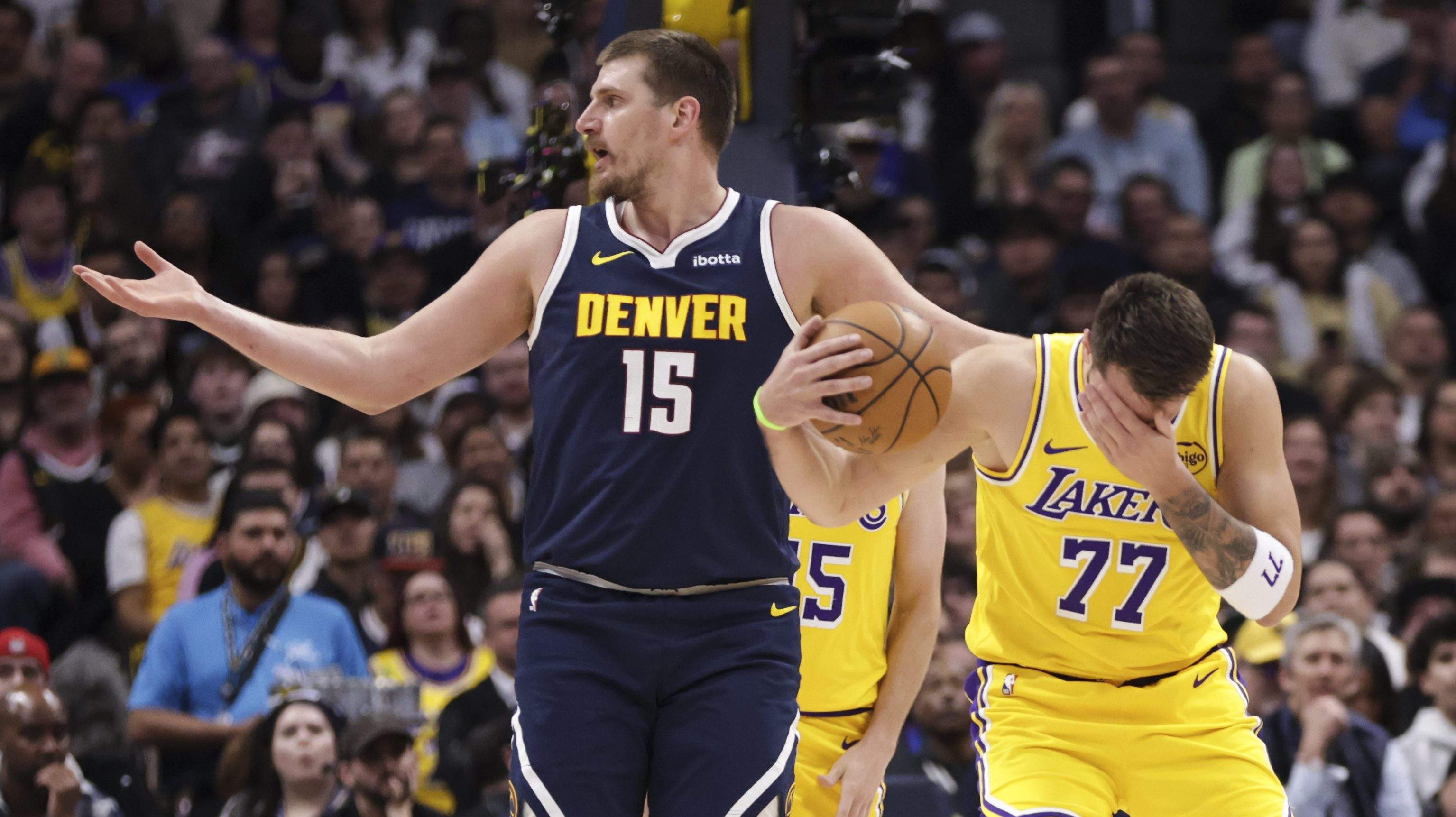
This acquisition could mark the beginning of an elevated era for the Heat, but most observers agree that additional moves will be necessary before the franchise can fully challenge the league’s top contenders. The question now turns to what comes next and how the Heat can best complement Antetokounmpo to maximize their ceiling.
LeBron James Reunion on the Table?
With LeBron James’ future in Los Angeles uncertain, speculation has intensified about a potential reunion with the Heat. A notable NBA insider noted that Miami would explore a reunion with James this offseason. While this possibility remains theoretical, it underscores the Heat’s ongoing strategy to pursue high-impact talent and leverage relationships with top players who have previously found success in Miami.
At 41 years old, James will hit free agency with several teams weighing their options. Reports indicate that the Lakers are interested in extending their partnership with James, but the roster-building puzzle in Los Angeles could influence James’ decision. The Lakers’ financial flexibility and long-term plans will play a significant role in determining whether a reunion with the Heat becomes a concrete option.
Important considerations for any LeBron-to-Miami scenario:
– The Heat’s cap situation and available salary-cap space will shape how a potential reunion could unfold. The team would need to align on contract structures, including sign-and-trade possibilities or mid-level exceptions, to accommodate James.
– Antetokounmpo’s presence changes the dynamic. A pairing with James (if it happens) would create a formidable frontcourt and perimeter threat, but it would also require careful roster moves to maintain depth and defensive balance.
– James’ market value and willingness to take a reduced or adjusted role would influence its feasibility. His decision would hinge on factors like championship windows, stability, and fit around established stars.
Current Status and Next Steps for the Heat
Technically, any path to James would involve complex negotiations, including potential sign-and-trade arrangements or other creative mechanisms to fit his compensation needs within the NBA’s rules. Miami would need to weigh whether the financial and roster implications align with their broader strategy and long-term sustainability.
Beyond the hypothetical reunion, the Heat must continue to optimize their roster around Antetokounmpo. Key steps could include:
– Strengthening the supporting cast: Acquiring versatile wings and skilled shooters who can defend multiple positions would help balance Antetokounmpo’s skill set and reduce defensive emphasis on him.
– Enhancing depth: Depth behind the core trio is essential for maintaining performance during the grind of a long season and deep playoff runs.
– Maintaining cap flexibility: Long-term plans will require prudent contracts and thoughtful asset management to preserve future options, including potential trades or free-agent pursuits.
The path forward for Miami remains contingent on how they leverage their new star acquisition, how aggressively they pursue complementary pieces, and how the league’s free-agent landscape unfolds. If the Heat can assemble a cohesive, well-rounded roster that complements Antetokounmpo’s unique abilities, they could become a formidable force in the East and a credible challenger to the conference’s elite teams.
In any case, the anticipation around Miami’s trajectory is a sign of the franchise’s continued ambition and willingness to pursue transformative moves. Whether these efforts culminate in a sustained high-level push or a longer-term rebuild, the Heat’s ownership and front office are clearly prioritizing a competitive, championship-oriented outlook for the coming seasons.
For fans and observers, the next months will reveal how Miami capitalizes on its updated roster and what additional moves—if any—will define the Heat’s competitive arc. As the league evolves, the Heat aim to remain a relevant and dynamic contender, capable of capitalizing on opportunities as they arise.