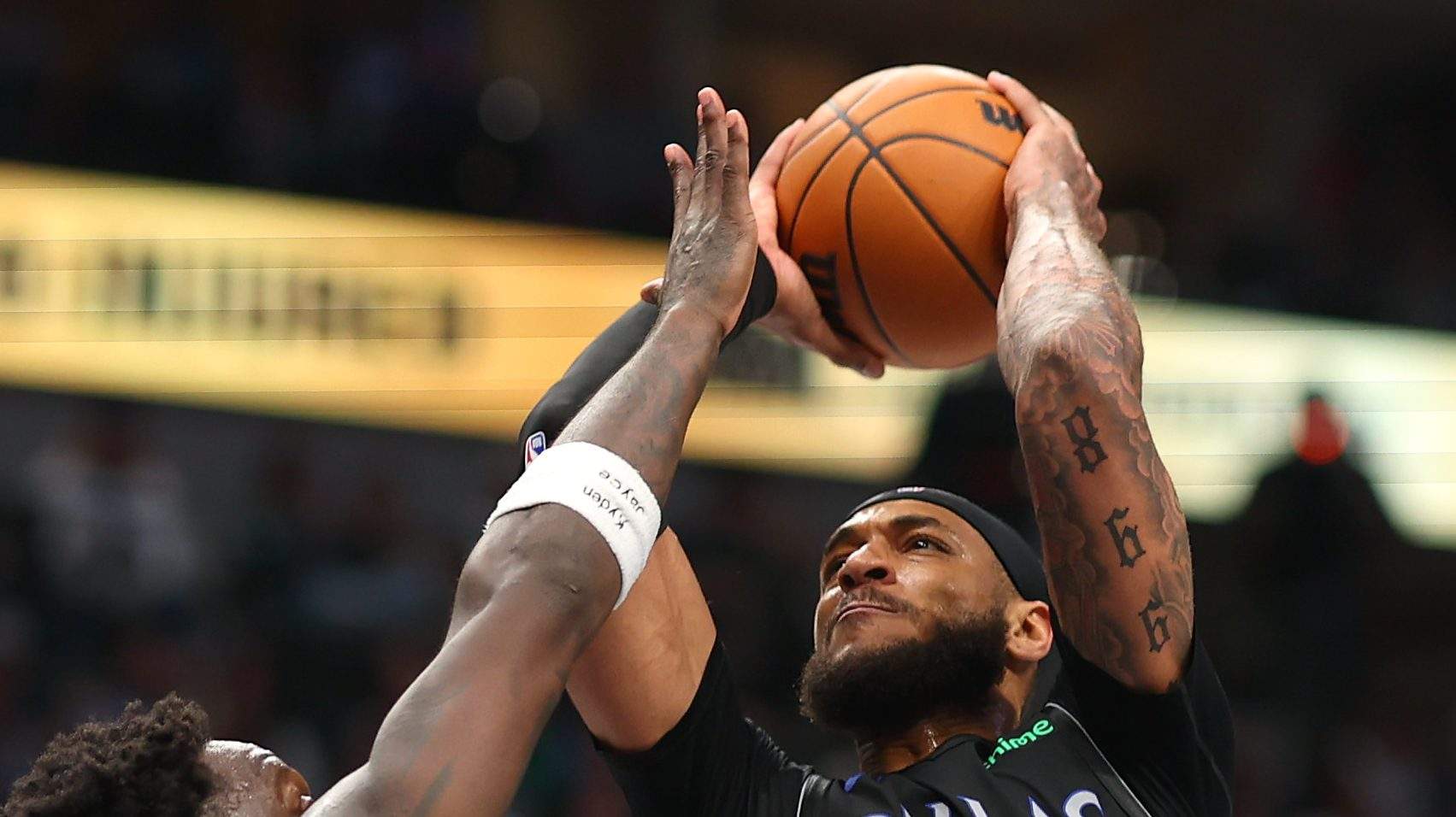
Brown’s on-court style has always invited both admiration and critique. He is a high-impact defender and a dynamic scorer who can create offense in a variety of ways. Yet his shooting profile has sometimes drawn skepticism from analysts who emphasize efficiency metrics. While he is capable from beyond the arc, Brown historically has not ranked at the very top in free-throw attempts or in some advanced-shot categories. This mix of strengths and stylistic choices (such as a propensity to create offense through midrange opportunities and driving lanes) has led some evaluators to label certain shot selections as less efficient, even when the results—especially in high-leverage moments—are significant.
In recent seasons, Brown has repeatedly demonstrated his value in contexts where teamwork and adaptability are essential. His role has shifted at times, especially when teammates change or when the team’s offensive plan evolves. He has been a reliable scorer and playmaker, capable of contributing in transition, on-ball creation, and off-ball movement. His overall impact includes leadership on the floor, the ability to guard multiple positions, and a demonstrated track record of contributing to winning outcomes.
Despite mixed assessments from some corners of the analytics community, Brown has earned recognition for his play in other spheres. He is a multitime All-Star and has represented the United States in international competition. His performance has often been highlighted by observers who value a well-rounded game—the combination of scoring, defense, rebounding, and pace creation—that helps teams compete at the highest levels. Those who advocate for a more holistic “eye test” approach argue that Brown’s on-court intuition, competitiveness, and versatility should count as much as, if not more than, raw efficiency alone when evaluating a player’s contribution to winning.
The clash between analytics-based framing and qualitative observations is not unique to Brown. It reflects a broader tension in how teams assess value in a league where raw numbers tell part of the story, but context—such as role, system fit, and intangibles—often determines how a player fits within a championship-contending roster. Proponents of the eye-test perspective contend that a player who can influence both ends of the floor, with the ability to elevate teammates and impact crunch-time outcomes, should be regarded as among the elite options for contenders.
On social media and in interviews, Brown has been outspoken about the perception gap between analytics-driven evaluations and the on-court realities he experiences. He has emphasized that the way a player is discussed in public discourse does not always capture the full scope of their value. In this vein, supporters point to Brown’s leadership, playoff experience, and proven ability to perform in high-pressure situations as indicators of his importance to a competitive franchise.
The broader conversation about Brown’s place in the league ties into how teams weigh different signals when building a roster. Analysts may highlight efficiency metrics, shot selection, and pace as guiding principles, while coaches, players, and some fans favor the tangible impact of a player who can guard multiple positions, create for others, and deliver clutch performances. The reality for Brown, as for many star-level players, lies in a balance: maximizing scoring opportunities without sacrificing defensive intensity and energy, while continuing to adapt to evolving defensive schemes and offensive systems.
As Brown’s career continues, observers will likely see continued debate about the best way to quantify his value. What remains clear is that he brings a multifaceted game that has helped the Celtics remain competitive at the top levels of the league. His high-level physical tools, combined with experience and a track record of contributing to team success, position him as a player who can influence a championship trajectory, even as some metrics may not fully capture his impact.
For fans and analysts, Brown’s situation underscores the broader lesson that basketball evaluation is not one-size-fits-all. The strongest teams often blend rigorous data analysis with a nuanced appreciation for what players bring to the floor in real-game scenarios. Brown’s example serves as a reminder that the best players can be valuable in ways that extend beyond conventional efficiency measurements, contributing to wins through defense, leadership, and decision-making under pressure.
In sum, Jaylen Brown embodies the ongoing evolution of basketball assessment. While analytics offer essential insights into efficiency and shot quality, eye-test judgment, situational impact, and intangibles continue to shape how teams evaluate and value top-level players. Brown’s talent, versatility, and competitive drive ensure his role remains central to any Celtics’ championship aspirations, regardless of how his efficiency metrics may be interpreted by different observers.