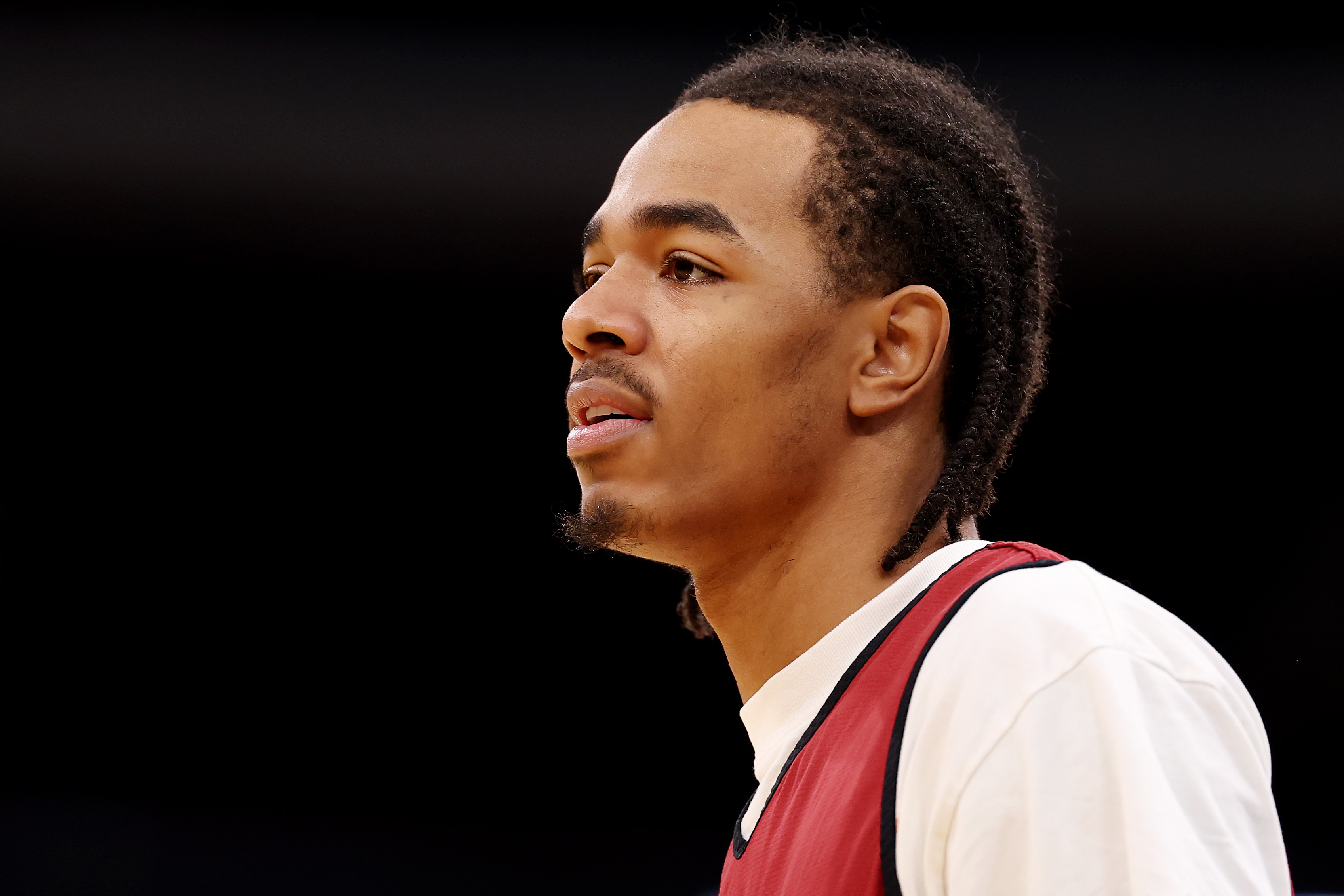
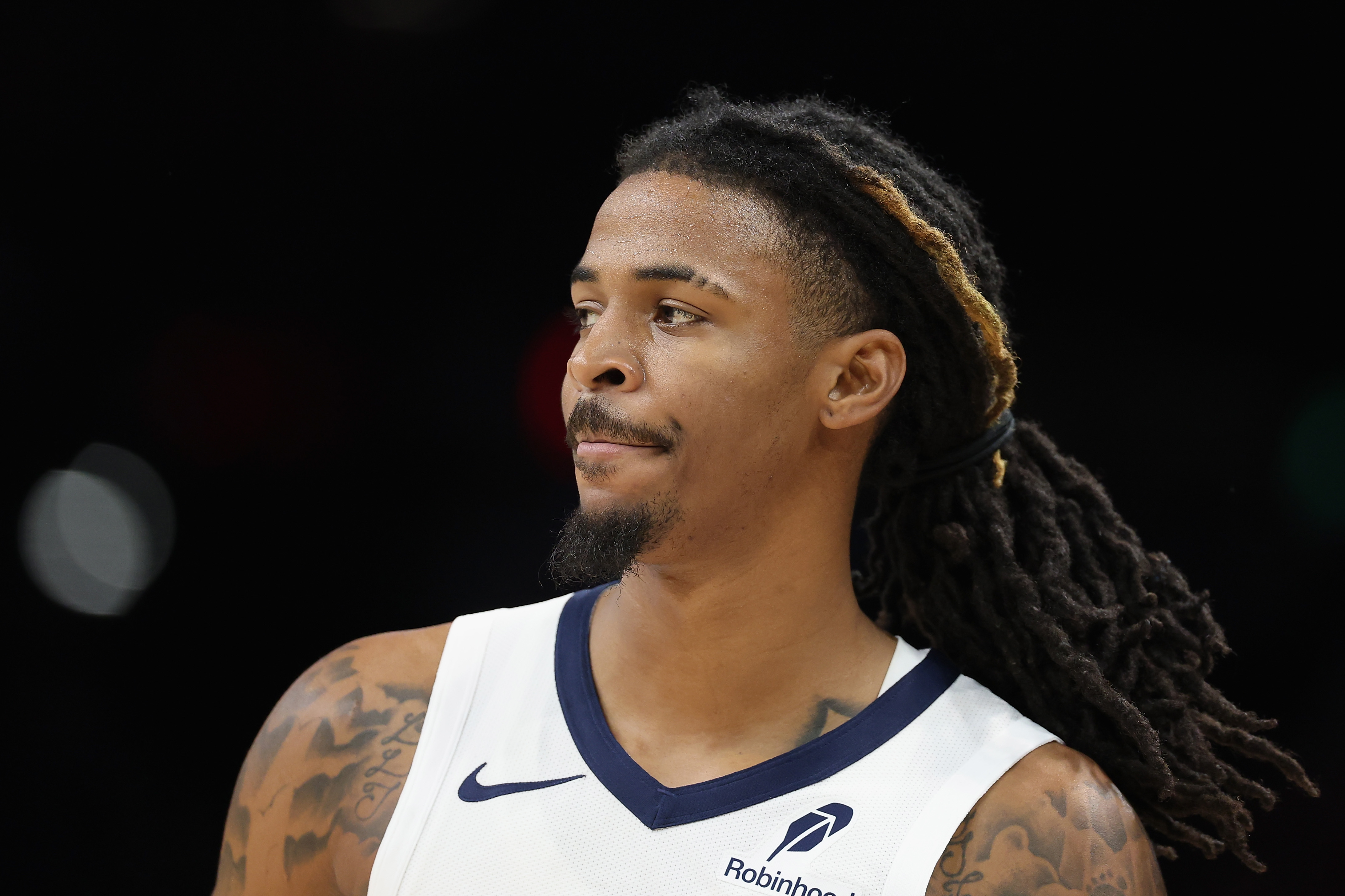
A scout cited by sources questioned how Carr would slot into the Lakers’ plans. The concern centered on Doncic’s preference for a stronger adding big man and the Lakers’ decision to select another guard who is not primarily a passer and can be described as having tunnel vision at times. The move to pick Carr over other options didn’t seem to align with the team’s most pressing gaps, according to the critique.
The central issue raised was the Lakers’ choice to invest in another guard to deepen backcourt depth, rather than addressing the need for more size and versatility. With Luka Doncic delivering elite scoring and the recently re-signed Austin Reaves contributing significantly on offense, the team’s priorities appear to include improving wing defense, shooting, and a multi-faceted big man who can complement Doncic. This has led some scouts to view Carr’s fit as less ideal given the Lakers’ current roster construction.
Why some scouts aren’t enamored with the Cameron Carr pick:
Carr emerged as a breakout player in his third collegiate season at Baylor, with scoring as his primary strength. However, the Lakers’ backcourt already features high-end scoring threats, making another offensive-focused guard seem less essential. The team’s strategic path—leveraging free agency or the trade market to bolster the center position and overall frontline versatility—appears to be prioritized by evaluators who question the value of adding another guard in the draft.
Draft positioning also matters. Being selected in the mid-20s limited the pool of available prospects, and while some teams choose the best talent regardless of fit, critics wonder if Carr’s skill set is the best long-term fit for the Lakers’ core. Still, the pick indicates that Lakers scouts see potential in Carr beyond those public criticisms.
Could Carr impact future rotations in unexpected ways? He could potentially challenge other guards for minutes if he proves effective in practice and during opportunities in the season. If LeBron James’ status with the team changes, the dynamics could shift, but Carr’s competition would likely involve established guards and newer signings capable of contributing immediately.
In any case, the discussion surrounding the pick centers on roster construction and the balance between offense, defense, and positional need. Carr’s performance in development and any on-court contributions will ultimately determine whether the selection strengthens the team’s depth or raises questions about fit.
Keep an eye on how Carr progresses as he competes for rotation minutes and how the Lakers address other positions through free agency or trades to complement Doncic, Reaves, and the rest of the roster. The true measure will be on-court production over the coming seasons.
If you found this analysis helpful, follow for more NBA coverage and draft insights.