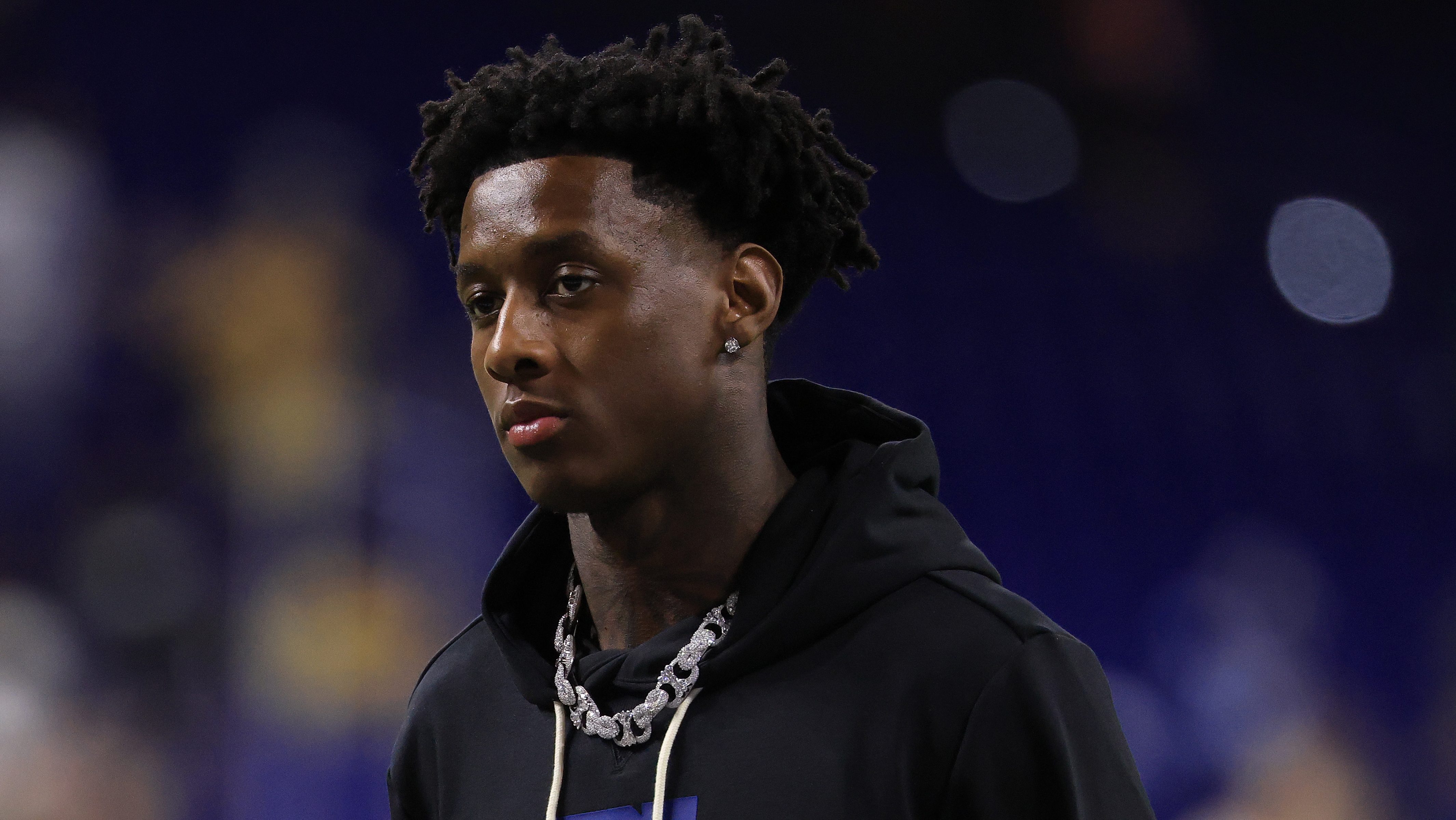
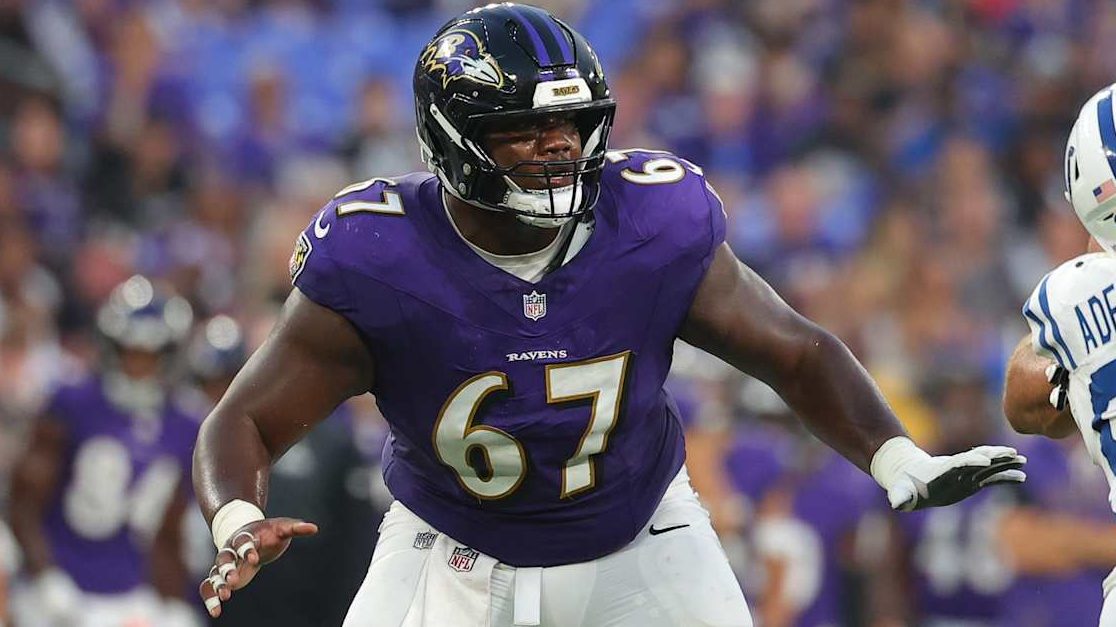
Milton Williams stands as a prime example. After being selected in the third round in 2021, Williams progressed from a part-time contributor to a key rotational piece along the interior. Following the 2024 season, he secured a four-year, $104 million free-agent contract with the New England Patriots. Williams’s career path underscores a broader pattern: productive players who develop within the Eagles’ system can surpass expectations and attract significant interest from other teams once their rookie contracts expire.
Looking ahead, the same scenario could unfold for Moro Ojomo, a 2023 seventh-round pick who has shown steady growth. In 2025, Ojomo logged 21 pressures and six sacks while appearing on 66 percent of defensive plays. His production surpassed that of some higher-draft peers in the previous year, according to performance metrics, and he has continued to earn more opportunities as his role has expanded. Analysts have noted Ojomo’s emergence as a potential “hidden gem” on the Eagles’ defensive front, capable of drawing attention from outside teams as a free agent candidate.
The Eagles’ front office now faces a potential contract crossroads with their interior linemen. Jordan Davis, the 2022 first-round pick, secured a three-year, $78 million extension in March, locking in a key piece of the defense for the near term. Jalen Carter, another explosive talent at the position and a two-time Pro Bowler with All-Pro credentials and a Super Bowl resume in just a few seasons, is likely eyeing a deal that could push him into the tier of the highest-paid interior defensive linemen in the league. That kind of contract would likely exceed the historical benchmarks set by other top players at the position, including notable deals signed by players such as Jeffery Simmons.
Given Carter’s off-field history concerns in some circles and his high pedigree, the Eagles may be reticent to commit the top-tier earnings Carter could command. This creates a window where Ojomo could become the most attractive “homegrown” option in a price range the team can manage, potentially cashing in as a free agent if his performance continues to rise and if the market rewards his versatility and pass-rush capability.
Ojomo’s trajectory already demonstrates a strong return on the modest investment the team made in him as a late-round pick. He has developed into a player who can contribute meaningfully in both run defense and rush scenarios. In recent seasons, his production has included meaningful pressures and sacks, contributing to the defense’s overall effectiveness. This type of progression is exactly what franchises look for when projecting free-agent value, especially for players who have already demonstrated durability and an upward trend in performance.
In evaluating the Eagles’ strategic outlook, the emphasis remains on balancing internal development with the need to retain top talent at a fair market value. The front office will likely weigh the cost of extending Carter against the potential price tag for Ojomo and other interior linemen. If Carter’s demands exceed the team’s comfort level, Ojomo’s rising profile could position him as a logical internal alternative or a later-value asset in a future free-agent market. The key for the organization will be maintaining a balance between sustaining a top-tier defensive line and allocating resources efficiently across the roster.
From a broader perspective, the Eagles’ situation reflects a common theme in modern NFL teams that emphasize player development and systematic growth. Teams that invest in coaching, scouting, and player welfare can turn late-round picks and bargain contracts into legitimate contributors who become marketable assets when their rookie deals expire. As the league continues to evolve, players who maximize their roles through production and consistency are more likely to attract attention in free agency, potentially leading to lucrative contracts elsewhere or, conversely, presenting the team with compelling opportunities to restructure and extend current players.
For fans and observers, the ongoing narrative will center on how the Eagles navigate the delicate balance between paying premium salaries to a few cornerstone interior linemen and ensuring adequate depth across the defensive line. The coming offseason promises spirited discussions about value, market rates, and the strategic choices that determine a team’s long-term competitiveness. Ojomo’s development will be a focal point, as he embodies both the team’s success in developing talent and the economic realities that accompany sustained success in the NFL.