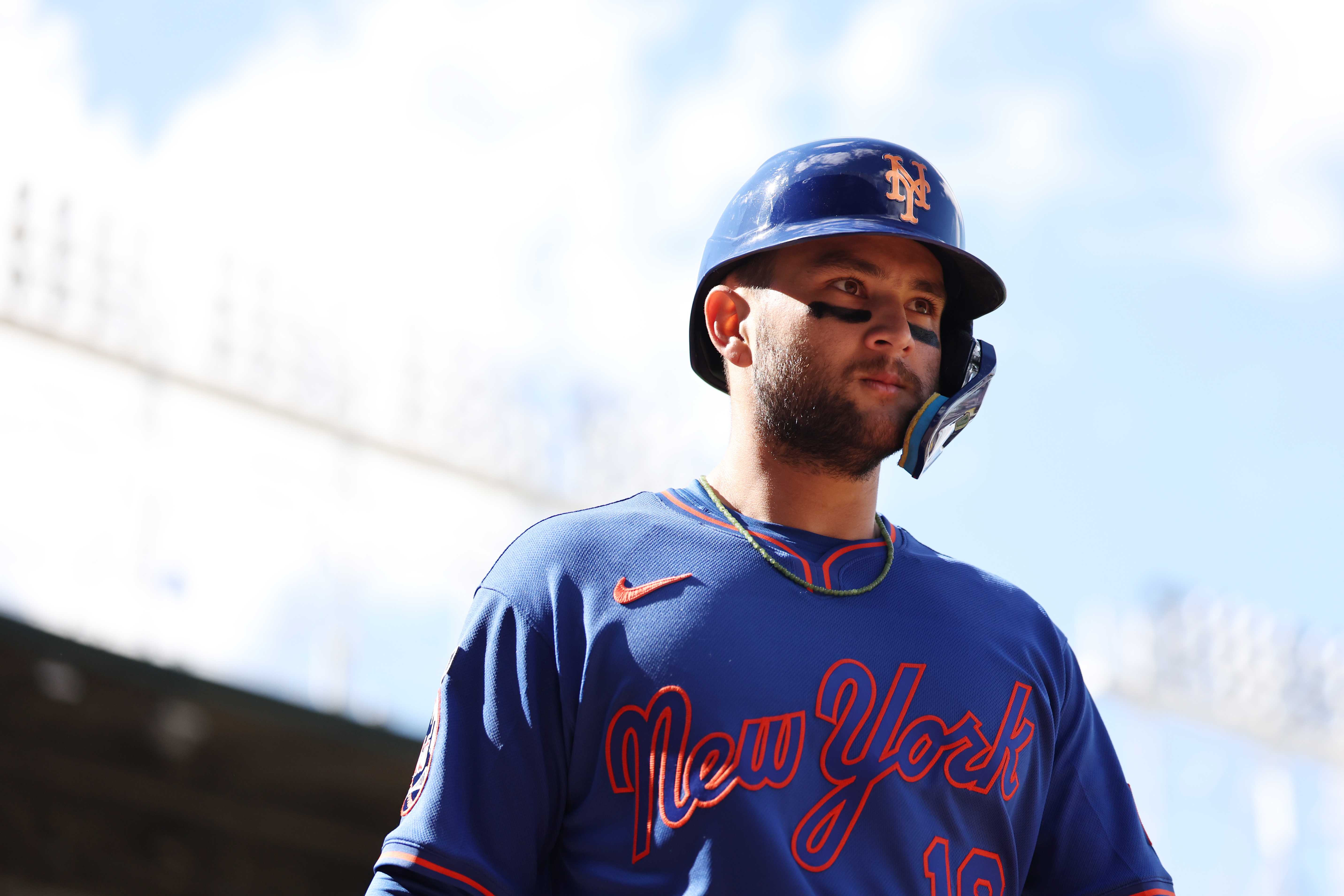
Mets owner Steve Cohen issued a statement expressing gratitude for Mendoza’s leadership and dedication. He stressed that the club’s expectations have not changed and acknowledged the disappointing results this season. He also emphasized that the team’s goal remains to compete at the highest level and to bring sustained success to the fanbase, noting clearly that the season’s shortcomings are not sugarcoated.
Interim leadership will be provided by Andy Green, who will take over managerial duties as the Mets prepare to face the Philadelphia Phillies in their next game. This transition places Green in a position to guide the club through the remainder of the campaign while the front office evaluates longer-term options.
Reaction from players has highlighted the emotional impact of the Tampa Bay-versus-New York dynamic, with star shortstop Francisco Lindor expressing that he was surprised by the news on Friday morning and describing Mendoza as a great man and a family-oriented leader who earned respect from the clubhouse. Lindor noted that Mendoza had handled the situation with dignity and that his departure is a shared moment of accountability for the team.
In discussing the transition, Lindor also revealed that he spoke with Mendoza after the decision was announced. The shortstop shared that Mendoza apologized for not helping the team win more often, but he stressed that the ultimate responsibility for the performance lies with the players. Lindor indicated a sense of personal responsibility for the team’s struggles, acknowledging that the players need to elevate their level of play to honor Mendoza’s effort and to set the stage for a fresh start.
With 81 games remaining in the regular season and the Mets positioned several games below .500, Lindor issued a public message to fans urging continued support. He emphasized that the season is not over and that the team will fight every day to improve and compete at a higher level. The captain’s appeal underscored a belief in the players’ ability to rebound and rebuild momentum under the new leadership.
The timing of the managerial change reflects a broader strategy to recalibrate the club’s approach and restore competitive energy. Interim leadership provides an opportunity to assess the roster, evaluate performance metrics, and implement adjustments that could help the team close the season on a stronger note. It also signals to players and fans alike that the organization is serious about pursuing the best possible path forward, including potential long-term coaching solutions that align with the team’s broader objectives.
Club officials have indicated that this is the start of a critical period for the Mets, one in which accountability, improved performance, and a renewed team mindset will be essential. The Mets’ supporters can expect ongoing updates as the organization navigates player development, in-game decision-making, and strategic planning aimed at restoring competitiveness and building a foundation for future success.
In the weeks ahead, the focus will be on how the team responds to new leadership, how players adjust to the coaching changes, and how the Mets translate talent into consistent results. While this season has presented significant challenges, the franchise is signaling a commitment to turning the page and pursuing a path that aligns with its goal of returning to postseason contention and, ultimately, championship contention.
Note: The content above is a rewritten version of the original report and is intended to provide a comprehensive, publication-ready summary of the events and reactions surrounding the Mets’ managerial change, without referencing any source materials or original publishers.