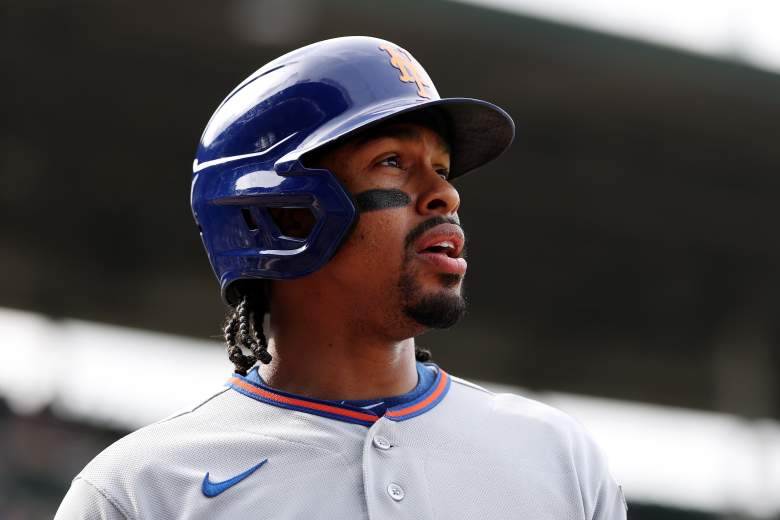
Offensively, New York received a contribution from Bo Bichette in the latest defeat to the Cubs, finishing 1-for-4 at the plate with three strikeouts. With the series against the Phillies looming, Bichette was penciled into the lineup as the designated hitter for Friday’s game, a move that also marks a shift in defensive positions for the night. Francisco Lindor re-entered the lineup, making Bichette’s designation as DH possible. In the two preceding games, Bichette had logged time at third base, a duty that will be handled by other infielders on Friday as the Mets aim to maximize their offensive output.
Friday’s matchup also served as a test for Bichette’s role with the Mets in the designated hitter spot. Earlier in the season, Bichette had appeared as the DH once before, during a 4-0 loss to the Oakland Athletics in April. On that occasion, Lindor started at shortstop and Ronny Mauricio lined up at third base. For Friday’s tilt, Brett Baty was slated to start at third base, highlighting the ongoing experimentation with the Mets’ infield alignment as they navigate the post-Mendoza era.
Bichette’s current batting line stands at .254 with 83 hits on the season, including 12 doubles, one triple, 10 home runs, 42 runs scored, 45 RBIs, and one stolen base across 81 appearances. His presence in the lineup adds a veteran bat to an order searching for consistency and a spark at various spots in the lineup.
The Mets entered the series with a record of 34-47, placing them last in the National League East. The recent stretch has been challenging, as the team has gone 2-8 over their previous ten games, underscoring the urgency of turning the page under new leadership. In Green’s debut as manager, Zach Thornton was expected to get the ball for New York, making just his second career start. Thornton’s first big-league start did not go well, as he surrendered four runs across 4.1 innings while striking out three in a loss.
On the other side of the diamond, the Phillies arrived in New York with a steady hand and a recent track record of success. Philadelphia had announced its own starting lineup for the opener, featuring a blend of veteran presence and youthful talent. The lineup included Trea Turner at shortstop, Kyle Schwarber serving as the designated hitter, Bryce Harper batting third and patrolling the outfield, and a mix of other everyday players ready to contribute. Their pitching plan centered on Aaron Nola’s counterpart, as Zack Wheeler was slotted to start for Philadelphia, providing an ace-level presence to quiet a Mets lineup that has struggled to find rhythm this season.
Philadelphia entered the series with a strong position in the division race, having recently dispatched the Washington Nationals in three of four games to improve to 45-36. That record left them four games back in the National League East, a distance that underscored the importance of each series as the calendar moves deeper into the season. Over the previous ten games, Philadelphia had gone 7-3, signaling a level of momentum that could pose a stiff challenge for a Mets club trying to regain footing under new leadership.
From a strategic perspective, the Mets will be aiming to stabilize their pitching, improve run production, and play more cohesive defense as they navigate the rest of the season. The decision to use Bichette as the designated hitter on Friday reflects an attempt to optimize the batting order by leveraging his right-handed bat in the heart of the lineup while Lindor anchors shortstop and provides a steadying presence on defense. The Cubs series highlighted lingering gaps that the Mets will need to address, particularly in their bullpen and in timely situational hitting.
Fans can expect a series that tests the Mets’ resilience and the new managerial approach. With Lindor back in the lineup, the Mets look to balance power and contact hitting, aiming to convert opportunities into runs and to keep the Phillies from leveraging their depth and experience. For the Phillies, the goal remains to maintain momentum, capitalize on early innings, and continue building a lead in the NL East standings as they chase a postseason berth.
As the series unfolds, anticipation will center on how the Mets respond to managerial changes, how Bichette fits into the designated hitter role, and whether the pitching staff can deliver consistency. The early stages of Green’s tenure will provide insight into the direction of the club for the remainder of the season, and fans will be watching closely to see whether New York can reverse its skid and climb back into contention in a crowded division.