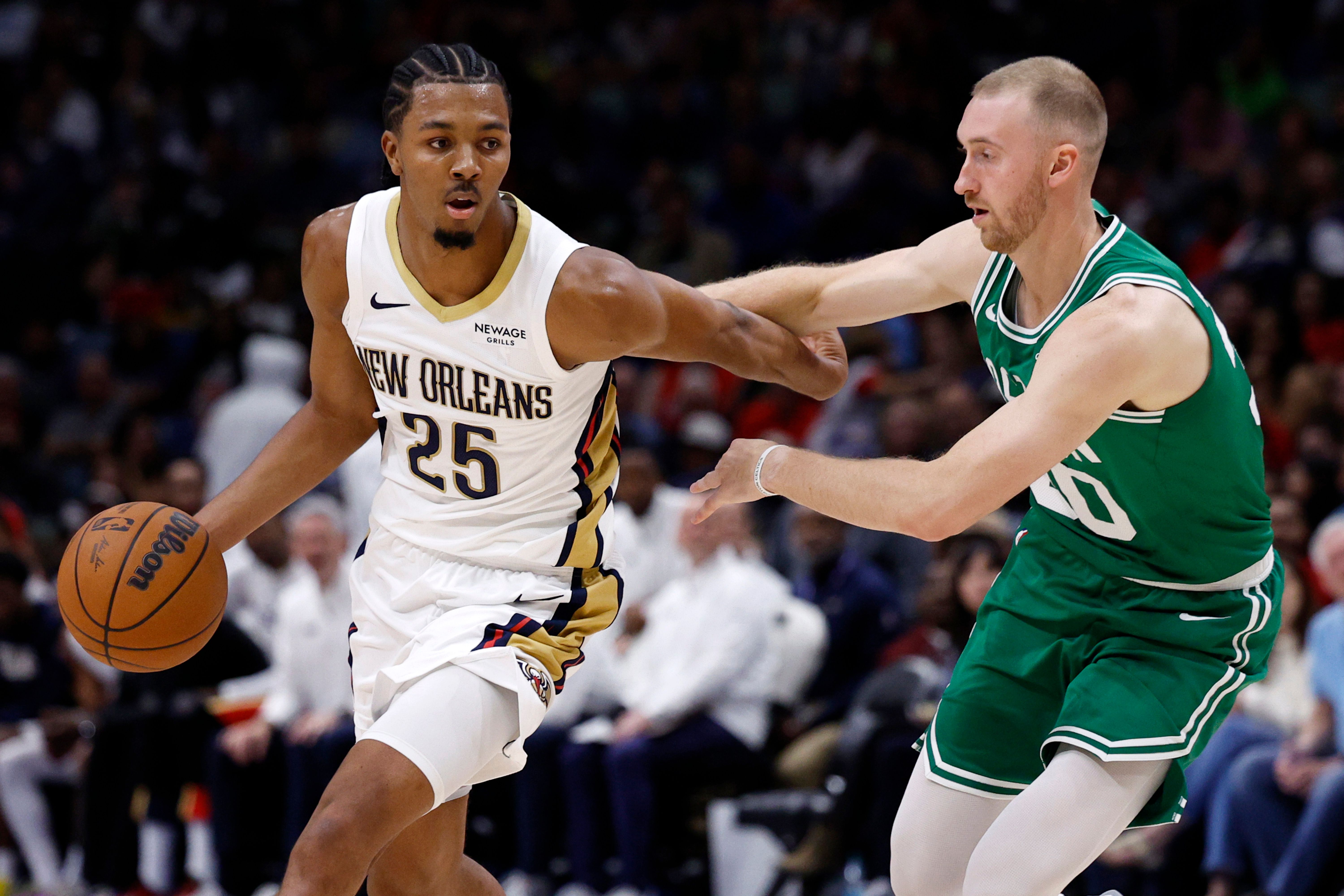
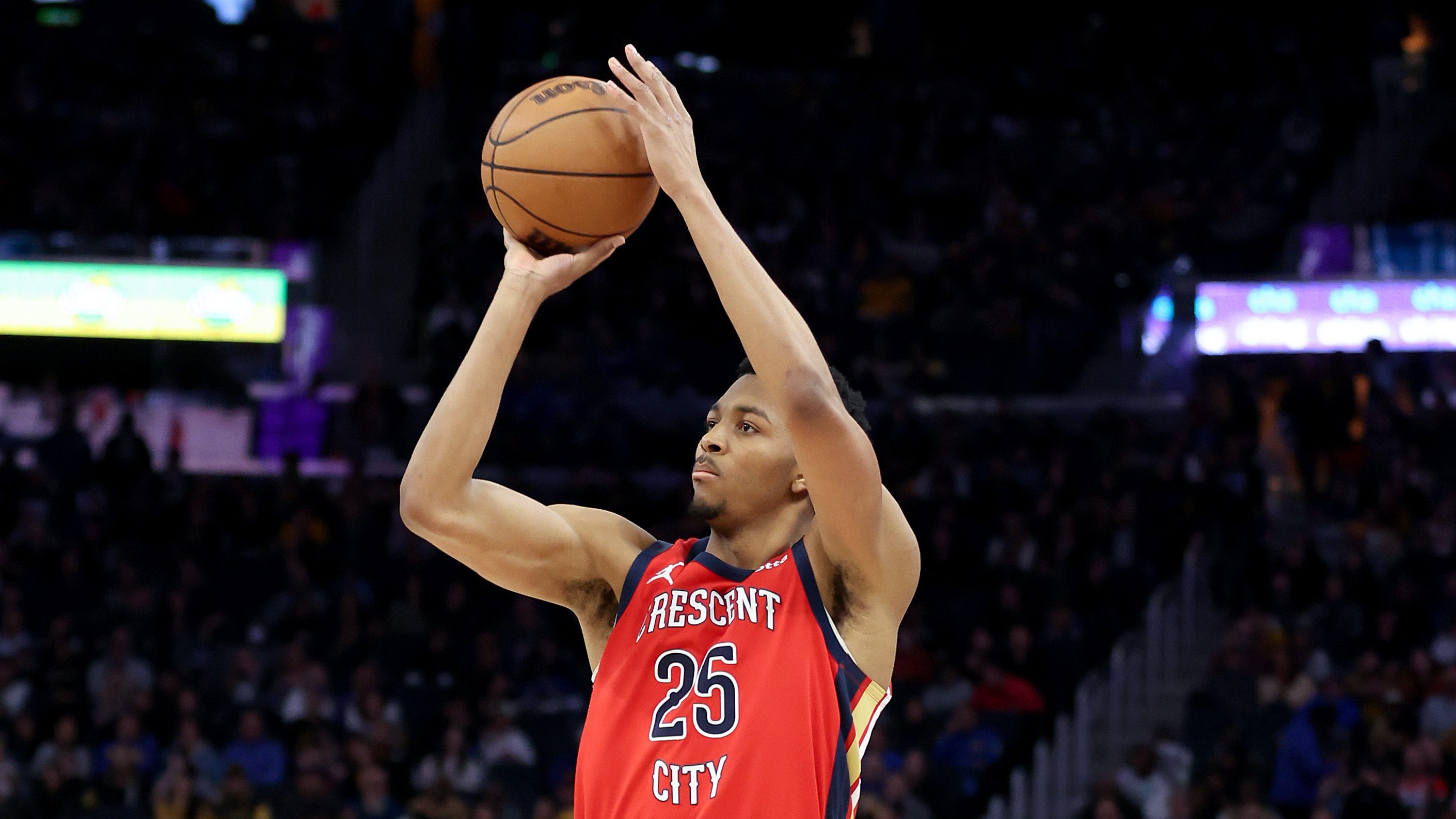
Recent reporting from NBA insiders indicates the New Orleans Pelicans have set a steep bar for any trade involving Murphy. In a discussion captured in a note from Bleacher Report’s insider notebook, Jake Fischer relayed that the Pelicans have effectively established a threshold of three first-round picks as the baseline to consider parting with Murphy. The implication is that any team hoping to acquire him would need to present a substantial draft capital package, a proposition that makes a deal look unlikely for teams with more modest asset pools.
Fischer emphasized that New Orleans has entertained various offers around the draft but found them lacking in net value. The Pelicans reportedly view Murphy as a valuable core piece and have been reluctant to move him unless a package of three first-round selections or something comparably transformative is involved. This stance aligns with earlier reporting indicating that New Orleans has listened to trade inquiries while consistently declining to move Murphy for anything they deem insufficiently valuable.
Why Murphy has attracted so much interest is clear. In his breakout season, Murphy posted strong numbers: about 21.5 points per game, 5.7 rebounds, and 3.8 assists, while shooting 37.9 percent from three-point range. He has developed into one of the league’s premier two-way wings, capable of guarding multiple positions, spacing the floor, and thriving without dominating the ball. His profile makes him a natural complement to a star like Dončić and a fit alongside high-IQ guards who can maximize off-ball movement and shooting.
Murphy’s contract adds another layer of appeal for playoff contenders. Entering the second year of a four-year, roughly $112 million deal, he provides long-term value relative to his age and potential, which can be attractive for teams seeking stability and a reliable two-way contributor next to a franchise cornerstone.
The Lakers have long been tied to Murphy, with rumors surfacing before the previous season’s trade deadline that several teams had inquired about him. The pattern of interest is understandable: a player who can shoot, defend multiple positions, and fit the timeline surrounding Dončić and Austin Reaves represents a strategic upgrade that could accelerate a title window. However, even with the Lakers’ appetite for improvement, the practicality of a deal is constrained by their current asset base.
At present, Los Angeles owns only two tradable first-round picks over the next seven years—2031 and 2033. That leaves a three-pick threshold as a non-starter for the Lakers unless they’re willing to part with more premium assets or find a way to recoup additional draft capital through ancillary transactions. In other words, the Lakers face a mismatch between New Orleans’ required return and their own willingness or ability to part with multiple future first-rounders. The front office has historically prioritized pairing Doncćic with a veteran star or an elite center rather than exhaust all remaining premium assets on a wing prospect, no matter how talented Murphy may be.
Beyond the package considerations, positional priorities also shape the Lakers’ decision-making. Since acquiring Dončić, the team has spotlighted upgrading the center position as a strategic objective. Dončić has voiced a desire for a stronger interior presence to balance the offense and provide a defensive anchor. The Lakers’ front office has reportedly dedicated substantial effort to identifying a trusted starting center who can help maximize Dončić’s strengths and create a more balanced lineup.
With only a pair of tradable first-round picks at their disposal, the Lakers must weigh whether deploying those assets on a wing—valuable as Murphy is—would be wise if it means sacrificing the possibility of landing an elite center or a different transformational piece that could alter the franchise’s trajectory. The calculus suggests that Murphy, while an excellent basketball player and a natural fit with Dončić, may not represent the franchise-altering move that would justify fully depleting the remaining premium assets.
In summary, Murphy’s fit with the Lakers remains strong on the floor—his defense, shooting, and versatility align well with Dončić and Reaves. Off the court, the arithmetic is less favorable for a deal: the Pelicans’ three-first-round-picks price tag is significant, and the Lakers’ current draft capital may not be enough to bridge the gap without additional moves. The pursuit could still happen if New Orleans softens the price or if the Lakers execute complementary trades that unlock more assets or create a pathway to upgrade the center position without sacrificing too much in return.
Ultimately, Murphy represents a standout young wing with tremendous upside, and his combination of shooting and two-way impact makes him one of the league’s most coveted players at his position. For now, however, the Lakers appear unlikely to meet the Pelicans’ three-first-round-pick threshold, and their strategic focus may remain on strengthening the center position and exploring other avenues to bolster the roster around Dončić. The path to adding Murphy, though clear in terms of fit, remains blocked by the practical limits of draft capital and the Pelicans’ steadfast asking price.