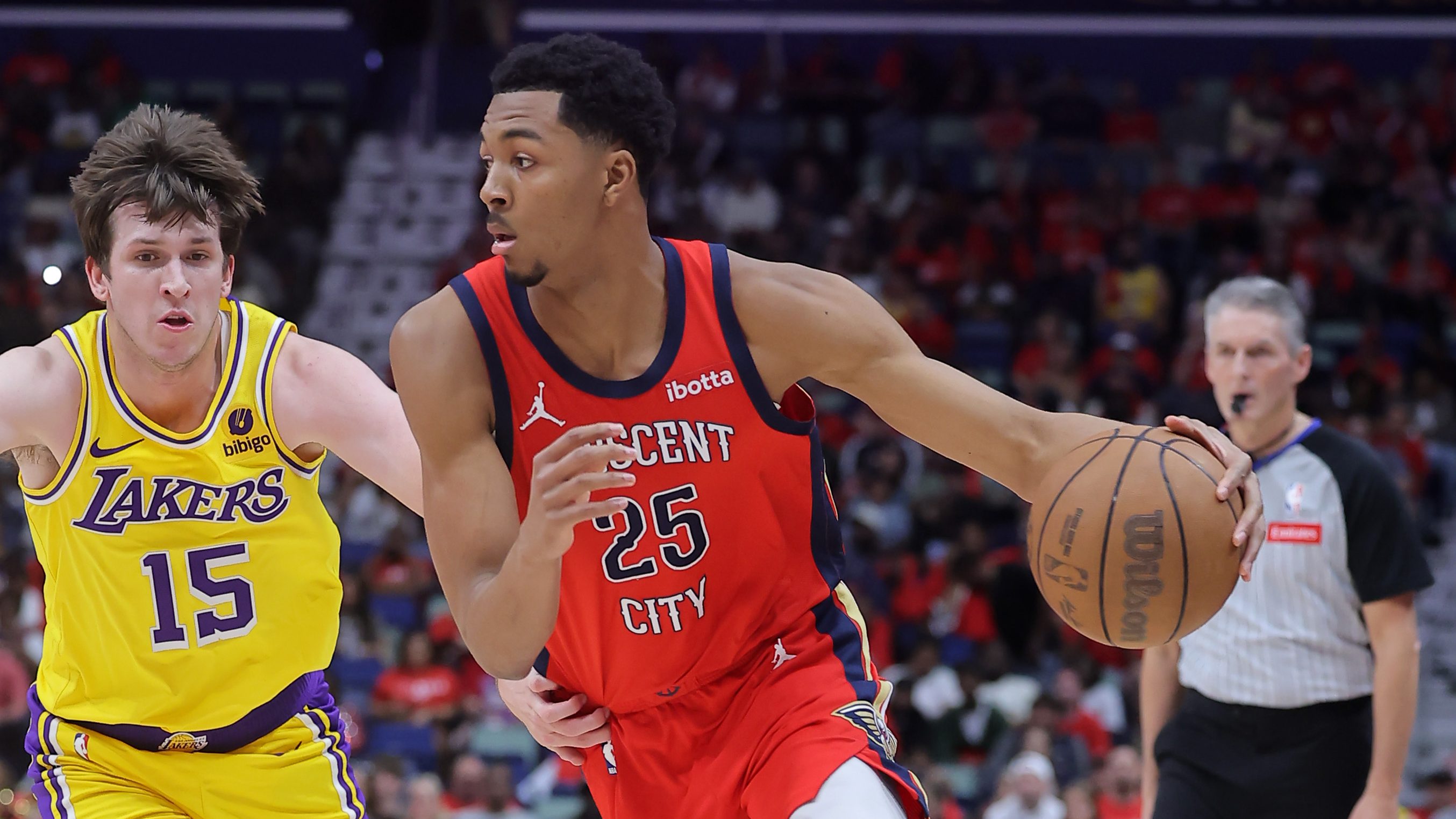
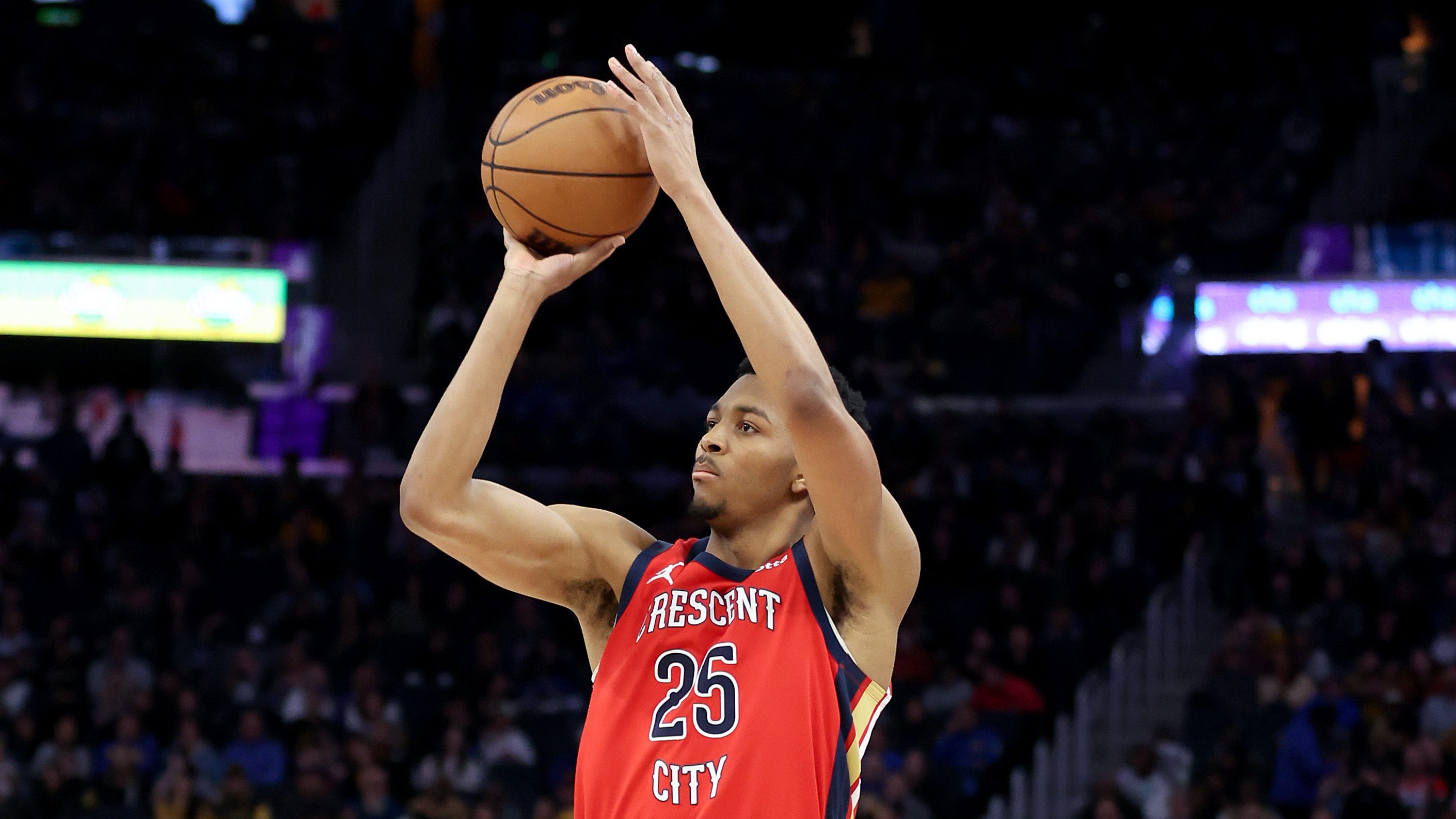
According to NBA insider Jake Fischer, the Pelicans have effectively established a threshold of three first-round picks as the minimum return required to move Murphy. This benchmark crystalizes the franchise’s stance: Murphy is a high-value, two-way wing who has progressed into a premier player on the wing position, and New Orleans is not inclined to part with him unless the compensation reflects his rising impact and potential.
This revelation helps explain why, despite persistent rumors and repeated inquiries over the summer, New Orleans has rebuffed many offers. Fischer indicated that during draft week there were multiple opportunities for the Pelicans to move Murphy and land a first-round pick or more, yet the returns were not compelling enough to justify moving him at that time. The Pelicans’ stance underscores a broader principle: they view Murphy as a cornerstone piece, not a replaceable asset.
Boston has consistently been mentioned as a potential suitor. The Celtics have been quietly evaluating their long-term roster around star wings such as Jayson Tatum and Jaylen Brown, while maintaining an openness to reconfiguring the team if the right price arises. The latest updates reinforce the notion that Boston remains in the mix for Murphy, continually surfacing in league discussions as executives weigh strategic pivots.
Murphy’s fit with Boston’s timeline is a key part of the appeal. At 25 years old, he is entering the second year of a four-year, $112 million contract. In the previous season, he posted a breakout performance with averages around 21.5 points, 5.7 rebounds, and 3.8 assists per game, while shooting nearly 38% from three-point range. His size, shooting, and defensive versatility position him well to complement a core built around Tatum and, potentially, Brown. Murphy’s age and skill set align with a long-term championship window, which makes him an attractive target for a team looking for a complementary star rather than a short-term veteran fix.
From Boston’s perspective, there are multiple pathways to constructing an offer that could meet New Orleans’ demands. On paper, the Celtics hold substantial draft capital: six first-round picks over the next seven drafts, with three of those selections (2027, 2031, and 2033) available for trade under current NBA rules. This level of asset liquidity provides Boston with the means to meet the Pelicans’ reported three-pick threshold through straightforward draft picks and pick swaps.
Beyond straightforward draft capital, there are alternative package strategies that could be on the table. For instance, a deal centered around veteran guard Derrick White, along with draft compensation, could appeal to New Orleans by delivering immediate value alongside future assets. Such a package would allow Boston to keep its star duo of Brown and Tatum intact while presenting the Pelicans with veterans who can contribute right away, plus long-term prospects in the form of additional first-round picks.
Whether New Orleans would accept a deal that centers more on draft picks, or one that includes a veteran player, remains uncertain. The Pelicans have consistently indicated a willingness to listen but not to rush into a trade that doesn’t meet their valuation, highlighting Murphy’s standing as one of the league’s top young wings.
The conversaciones around Murphy also reflect broader league dynamics. While it would not be surprising if Brown remained with the Celtics as the team continues to evaluate its options, there is growing speculation that Boston could consider a broader reshaping of the roster if the right offer materializes. Murphy’s emergence as a plausible target has added another layer to ongoing talks about Boston’s long-term balance between star power, depth, and financial flexibility.
In summary, the core takeaway is clear: the Pelicans view Trey Murphy III as a valuable asset whose return must reflect his two-way impact and potential, with a three-first-round-pick threshold cited as the benchmark. The Celtics, meanwhile, continue to monitor Murphy as a potential piece to complement Tatum, weighing different construction approaches—from draft-heavy packages to veteran-inclusive deals—while respecting New Orleans’ firm stance on value. The ultimate decision will hinge on whether Boston can assemble an offer that satisfies the Pelicans’ price for a player who, at 25, represents a significant piece for a team aiming for sustained championship contention.