Sources close to the league have suggested that a sign-and-trade involving Detroit Pistons center Jalen Duren could still be on the table, even if only as a possibility rather than a near-term plan. This idea comes on the heels of whispers that Boston is exploring trade options for Brown after an earlier attempt to acquire Giannis Antetokounmpo did not come to fruition. While no deal appears imminent, the notion of a bold maneuver remains on the table for teams weighing the Celtics’ expectations and Brown’s contract status.
Before Boston’s second-round entrance into the NBA Draft, chatter intensified when multiple teams were said to be engaged with the Celtics concerning Brown. While Shams Charania reported that Boston is actively discussing Brown with several franchises, executives around the league also noted that the Celtics seem to approach these talks with clear intent and purpose. However, Brown remains under contract for three more seasons on a supermax deal, which naturally tempers the pace of any potential resolution.
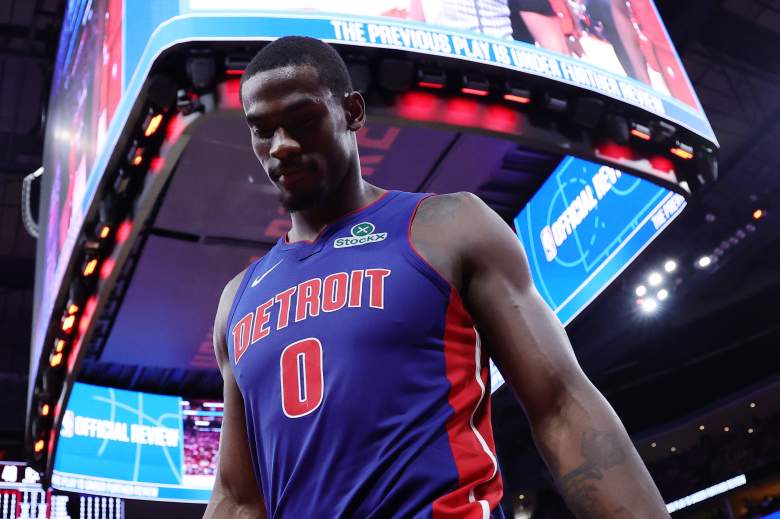
Among the teams reportedly in the mix, Detroit was highlighted as a potential trade partner within a framework that would involve a sign-and-trade for Brown. Specifically, for the Pistons to acquire Brown via such a structure, they would need to agree on a new contract for Jalen Duren before the deal could be completed. This approach would entail Boston trading Brown while receiving a payment and a roster piece that aligns with Detroit’s longer-term strategic goals.
The concept marks a notable shift for both franchises. Detroit has long positioned Duren, along with Ausar Thompson and Cade Cunningham, as foundational pieces capable of growing with the club’s rebuild. Conversely, Boston has built around a high-powered pairing in Brown and Jayson Tatum, seeking to add interior presence and size to complement their wing talent. If a sign-and-trade with Duren materialized, it would represent a significant reimagining of both teams’ trajectories and would require careful alignment on extensions and future cap space.
Even with the potential fit in mind, several factors keep this scenario speculative. Detroit’s ongoing negotiations with Duren over an extension add uncertainty, as does the Celtics’ readiness to reallocate assets to pursue a different core structure. Nevertheless, league insiders suggest that the possibility cannot be entirely ruled out, given how crucial interior size and defensive presence are to teams aiming for deep playoff runs.
On the Celtics’ side, the appeal of adding a young, athletic center who can anchor the paint and develop alongside Tatum is clear. Duren offers size, energy, and shot-blocking ability that could help address Boston’s interior needs, especially after the team’s pursuit of Antetokounmpo did not pan out. A successful sign-and-trade would likely hinge on Duren agreeing to a contract that satisfies both his market value and Boston’s cap framework, ensuring the Celtics maintain flexibility for future moves.
Brad Stevens publicly reiterated his confidence in Brown, emphasizing that he remains a central figure for the team’s long-term plans. He acknowledged the emotional toll that persistent trade chatter can take on players and staff, underscoring the complexity of balancing competitive aspirations with the realities of modern basketball trades. Stevens’ remarks reflect a desire to stabilize the narrative around Brown while the team continues to evaluate options that could maximize its championship window.
Rival executives, meanwhile, believe Boston cannot simply “move on” from the Giannis pursuit or treat Brown’s trade discussions as a mere afterthought. The consensus among several league voices is that the Celtics may still seek to upgrade their interior presence this offseason, and that Brown’s public involvement in trade discourse has altered the dynamic enough that a move remains plausible, should the right deal surface.
If a deal with Detroit or another franchise does not materialize, Boston could still explore alternative pathways to strengthen the roster. The Celtics have consistently shown a willingness to be aggressive when opportunities arise, balancing the allure of Brown’s star-level contributions with the strategic requirement to fortify the team’s frontcourt and defensive versatility.
As the offseason progresses, fans and analysts will closely watch for any developments in Brown’s status. The situation remains fluid, with potential pivots depending on contract conversations, market dynamics, and how teams evaluate the balance of star talent against depth and fit. While Brad Stevens’ endorsement of Brown provides stability, the broader question of how Boston will construct its championship blueprint in the coming seasons continues to fuel ongoing speculation.
In public statements, Stevens has stressed the importance of Brown to the franchise, signaling that the organization is not inclined to part with a cornerstone player without a clear and compelling return. Yet, the possibility of a bold, transformative move lingers, reminding the basketball world that the Celtics’ offseason could still yield a change in the lineup that would redefine their competitive outlook.
For readers following this saga, the key takeaway is that while no immediate move is guaranteed, discussions around Brown encompass both the desire to maximize current success and the strategic imperative to strengthen the team’s interior presence. The league will remain attentive to any new information about contract talks, trade discussions, and how the Celtics navigate the delicate balance between star stability and the potential upside of a bold acquisition.