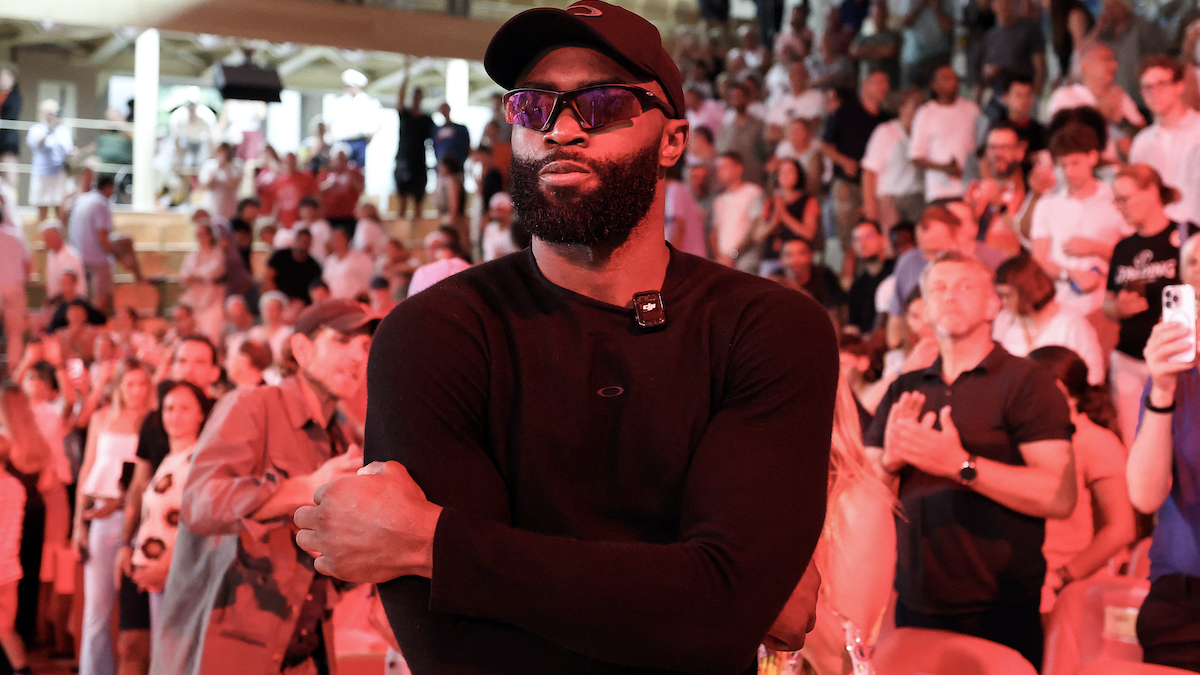
Early indications show the Celtics are open to listening to trade inquiries regarding Brown. In recent talks, Boston reportedly presented Brown as a target for Milwaukee, signaling that he may no longer be considered indispensable. Additionally, Minnesota joined the circle of teams expressing interest, initially inquiring about Brown before pivoting to a different target.
Details about what the Celtics were seeking in a potential deal with Minnesota have come to light. Reports note that Boston’s asking price was substantial, including a package featuring Rudy Gobert, Naz Reid, and draft compensation comparable to what the Celtics once gave up in a prior deal. Minnesota ultimately chose not to pursue Brown under those terms, instead opting to acquire LaMelo Ball.
Brown has just completed what many view as the most productive season of his career, earning second-team All-NBA honors. Despite this peak, Minnesota’s organization elected not to part with multiple core pieces to land Brown. The Celtics, meanwhile, are prioritizing an upgrade at the center position. Their interest in Gobert underscores a desire to bolster interior defense and rebounding, pairing a veteran presence with a proven wing scorer in Brown. This combination would create a formidable core, especially when paired with a healthy Jayson Tatum.
From Boston’s perspective, Brown represents a cornerstone of a championship-caliber group. The Celtics have already shown they can compete at the highest level with Brown as a central figure, particularly when Tatum spends time off the floor due to injury or rest. Because Brown is signed to a max contract and has established himself as one of the league’s premier two-way players, the Celtics are understandably cautious about selling him for a modest return. Their philosophy appears to be that any relocation would have to bring back significant, game-changing pieces that can sustain the team’s competitive window.
However, the market for Jaylen Brown has suddenly become active. With teams recognizing that Brown could be available, suitors are weighing the potential impact of a deal on their respective rosters. For Boston, a trade could provide financial flexibility and room to maneuver, potentially allowing for more versatile roster construction around a core that already includes Brown and Tatum. For Brown, a trade would present an opportunity to join a different organization with a clear path to a prominent role and an opportunity to shape team identity around his skill set.
The tension between maintaining a high-floor, championship-ready squad and managing long-term cap flexibility is at the heart of the Celtics’ decision-making. If Boston remains steadfast in demanding a haul in line with a multi-year championship window, they may keep Brown and continue to build around him rather than make a move that could disrupt team chemistry. Yet, if a deal comes together that meets or exceeds the value of Brown’s prime years and aligns with the team’s financial strategy, a trade could become a reality.
Looking ahead, any potential trade will hinge on several factors: the willingness of other teams to meet Boston’s valuation, the evolving center market, and Brown’s own preferences and desires for his next contract and role. The Celtics’ front office will need to balance competing objectives—preserving a contending core, maintaining payroll flexibility, and ensuring the long-term health of the roster.
In the days ahead, more concrete information should emerge as teams refine their interest and front offices assess whether a Brown deal could be structured to satisfy both parties. Whatever the outcome, Brown’s status as a premier player in the league guarantees that discussions around him will remain a focal point of the NBA offseason chatter.
Note: The information summarized above reflects reported trade discussions and public analysis around the time of ongoing offseason negotiations.