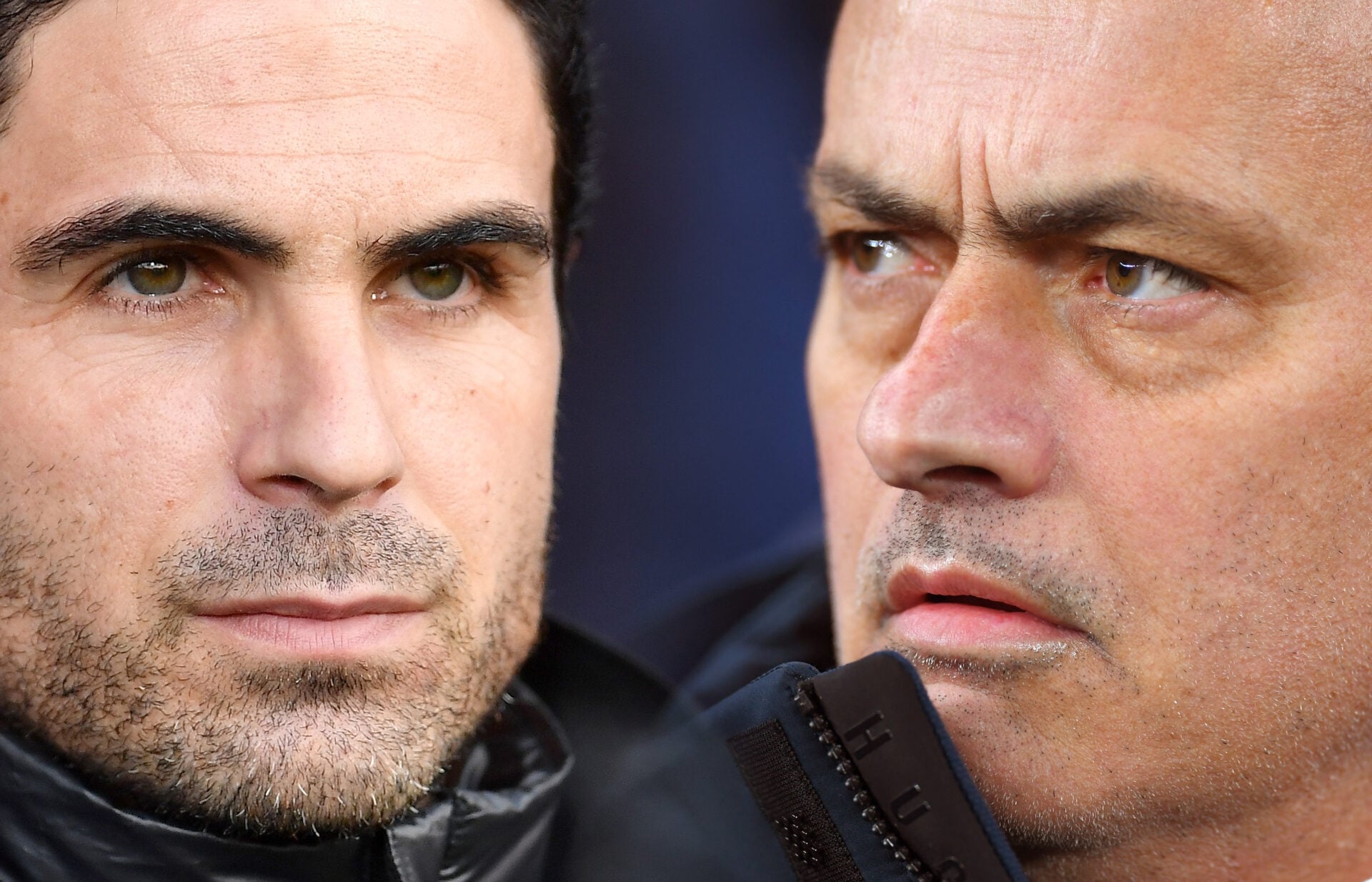
The club’s recent form has sparked a candid conversation about expectations. The legacy of Chelsea’s trophy-laden era looms large over every managerial appointment and every decision made on the transfer front. A figure like John Terry, a symbol of Chelsea’s demanding culture and success, has made headlines by voicing strong opinions about what the club should demand from its leadership. While Terry’s comments reflect his personal perspective, they also underscore a broader principle: Chelsea expects winners, not gradual rebuilds.
Alonso inherits a challenging landscape. Chelsea finished last season outside European qualification, a disappointing result by the club’s standards, and one glaring failure in European competition that stung: an 8-2 aggregate defeat that highlighted systemic issues and the urgent need for a refreshed approach. The gulf between Chelsea and the continent’s elite serves as a stark reminder that the club’s next steps must be decisive and well-planned. In such a context, the idea of a gentler transition period does not align with the expectations of ownership, supporters, or history.
With a substantial summer transfer window anticipated, the club’s management appears ready to back the new manager with resources aimed at rapid transformation. Rumors and reports have connected Chelsea with ambitious signings intended to recalibrate the squad’s balance, depth, and quality. The aim is not merely to replace departed players but to overhaul the squad with players who fit a strategic vision. The envisioned rebuild targets a blend of experienced leaders and high-potential talent capable of contributing immediately while also laying the groundwork for sustainable success in the future.
A central part of the conversation around Alonso’s mandate is the domestic and European calendar. Chelsea’s recent absence from European competition means the season will be structured differently, with reduced midweek demands and a potentially tighter fixture balance. The question then becomes how the team will convert that window into tangible progress: securing a return to the UEFA Champions League, competing for domestic cups, and building momentum that can carry through the subsequent campaign. In practical terms, this translates to a plan that prioritizes results, consistency, and the establishment of a winning culture from the first whistle of the new season.
From a tactical perspective, Alonso’s experience at the elite level, particularly at Real Madrid, provides a blueprint for navigating high-pressure environments and demanding expectations. His track record indicates a capacity to implement a cohesive playing style, optimize squad strengths, and adapt to different competitions. The challenge for Chelsea will be translating that experience into a squad that can quickly harmonize on the pitch and translate tactical concepts into consistent performance.
What does success look like in the short term? For Chelsea and Alonso, the minimal requirement is to reestablish qualification for European competition while simultaneously challenging for domestic cups. This does not mean chasing merely a top-four finish if the path to it is unclear; rather, it means delivering tangible progress in both league play and knockout competitions, demonstrating a clear, replicable system that players can execute week after week. The broader expectation is a transparent, results-driven plan that aligns with the club’s long-standing philosophy of attacking, competitive football and a relentless pursuit of silverware.
As the new era begins, supporters will be watching closely for signs of a cohesive identity taking shape. This includes not only results but also the development of a recognizable playing style, the integration of new signings into a functional unit, and the reclamation of Chelsea’s reputation as a club that consistently competes at the highest level. The board’s willingness to invest in the squad signals confidence in Alonso’s vision, but it also heightens the need for immediate, tangible progress that restores confidence among fans and stakeholders.
In summary, Xabi Alonso faces a formidable test at Chelsea: deliver immediate results, reestablish European football, and build a sustainable, winning culture that resonates with the club’s illustrious history. The standards at Stamford Bridge are exacting, and the task ahead will demand strategic signings, disciplined execution, and a clear, principled approach to football that reflects Chelsea’s enduring ambition. As the season unfolds, the club will be judged not only on final standings but on the quality and consistency of performances that signal a return to Chelsea’s celebrated level of competition.