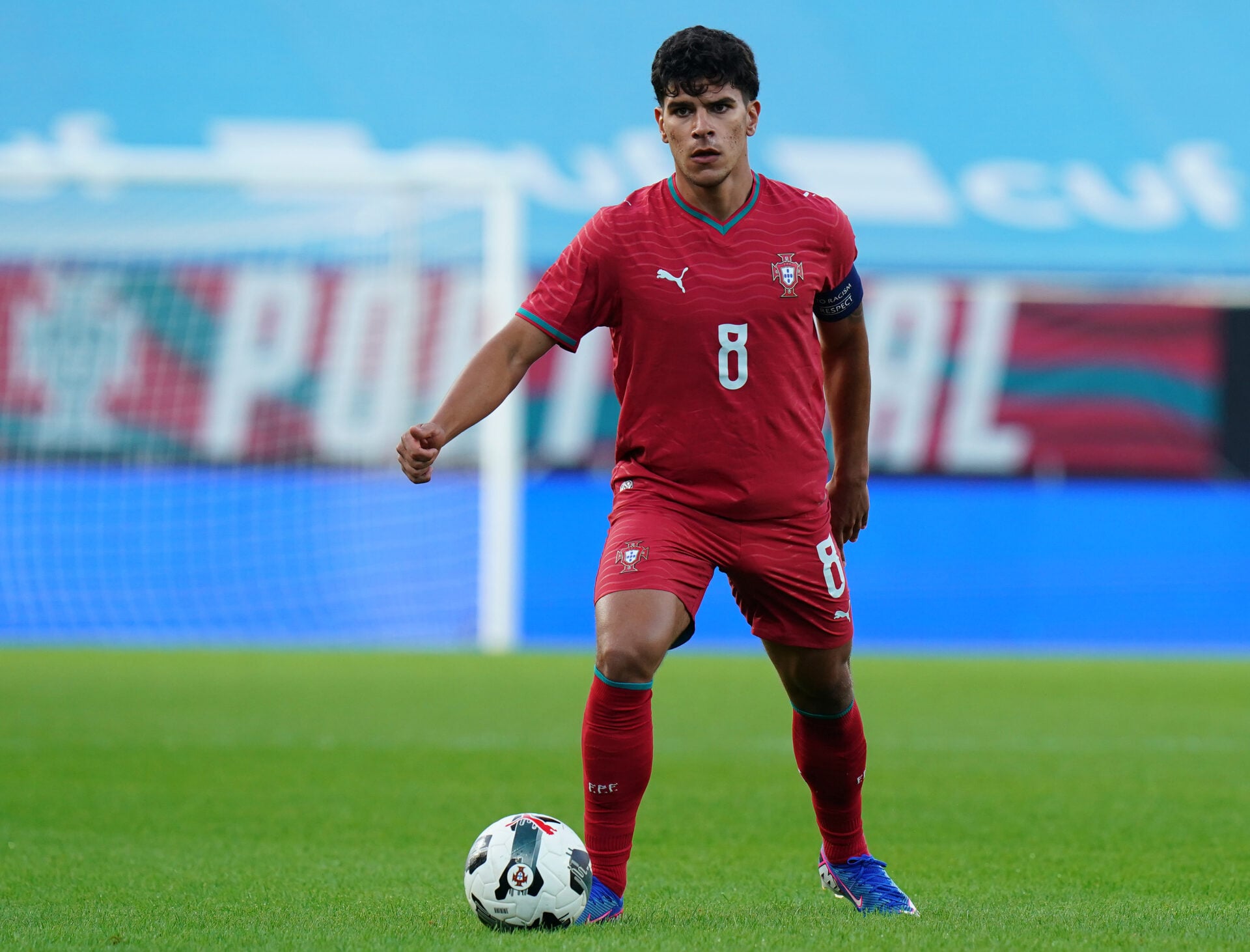
The idea centers on a potential deal for a winger who has recently faced relegation from the Premier League. This player, currently with West Ham United, has drawn interest from several top European clubs amid discussions about Real Madrid’s attacking strategy. The prospect of bringing in a player with recent top-flight experience and a versatile profile is appealing to clubs looking to refresh their wide options and inject pace, creativity, and goal threats from wide positions.
Real Madrid’s attack has long been anchored by a potent trio on the left, with Vinícius Júnior and Rodrygo consistently providing pace, dribbling, and goals. That dynamic has also left room for experimentation on the right, where a natural right winger could complement the team’s other attacking options. While there is ongoing chatter about other targets, a winger who can operate from either wing and contribute across phases of play could be a valuable addition, especially if the player fits the club’s high-press and high-tempo style.
The candidate under discussion is capable of playing on the left, though his best position and his current strengths make him a flexible option for Real Madrid’s system. His adaptability could allow the team to shift formations or rotate with other attacking players as needed, helping to maintain tactical variety in the offensive phase. This versatility would be particularly useful given the crowded nature of Real Madrid’s wide-forward area, where competition for minutes is intense among current stars and emerging talents.
From a cost perspective, discussions have suggested that a transfer fee in the region of around 50 million pounds could be sufficient to lure the player away from his current club. Whether Real Madrid would commit that level of investment depends on several factors, including the player’s development trajectory, injury history, contract length, and how well he would adapt to the demands of La Liga and the club’s playing style. Financial considerations will also weigh against potential competition from other European giants that have shown interest.
Last season, the player recorded five goals and two assists in 31 Premier League appearances. He also averaged roughly 1.7 shots per game and about 0.9 key passes per game, underscoring his capacity to contribute offensively and create chances for teammates. Such a profile—combining pace, dribbling ability, and an eye for goal—aligns with Real Madrid’s preference for attackers who can stretch defenses, exploit wide spaces, and deliver quality crosses or cut-ins under pressure.
Beyond the individual attributes, the broader strategic rationale for pursuing a winger centers on maintaining depth and flexibility in attack. Real Madrid often rotates and shades its wide players to suit different opponents and match conditions. A proven performer who can thrive in multiple roles would provide the coaching staff with another tool to tailor their approach, whether facing compact defenses, pressing teams, or high-tempo rivals.
As talks advance, the club will evaluate not only the player’s on-pield contributions but also how he could integrate into Real Madrid’s culture, medical standards, and development pathway. Compatibility with the group’s work ethic, language, and adaptation to life in Madrid will be important considerations alongside on-field metrics.
In addition to this potential acquisition, Real Madrid continues to monitor the broader market for forwards who can bring fresh dimensions to the attack. The evolving landscape of European football, with successive seasons of intense competition, makes a measured, well-planned acquisition essential. Any move would aim to strengthen depth, diversify attacking options, and preserve the club’s competitive edge in domestic and continental competitions.
For fans and observers, the prospect of a new attacking arrival adds another layer of intrigue to Real Madrid’s transfer strategy. As the club weighs a significant investment, the emphasis will remain on identifying a player who can contribute immediately while also growing within the club’s long-term plans. The coming weeks are likely to reveal whether this particular winger—currently shining in the Premier League—will don the Real Madrid kit, or whether the club will pursue other targets that better fit the tactical and financial criteria.
Overall, Real Madrid’s attention to attackers signals a continued commitment to evolving the frontline to meet contemporary challenges. The potential addition of a versatile winger could complement existing stars, provide fresh options in attack, and help the club maintain its status among Europe’s elite.