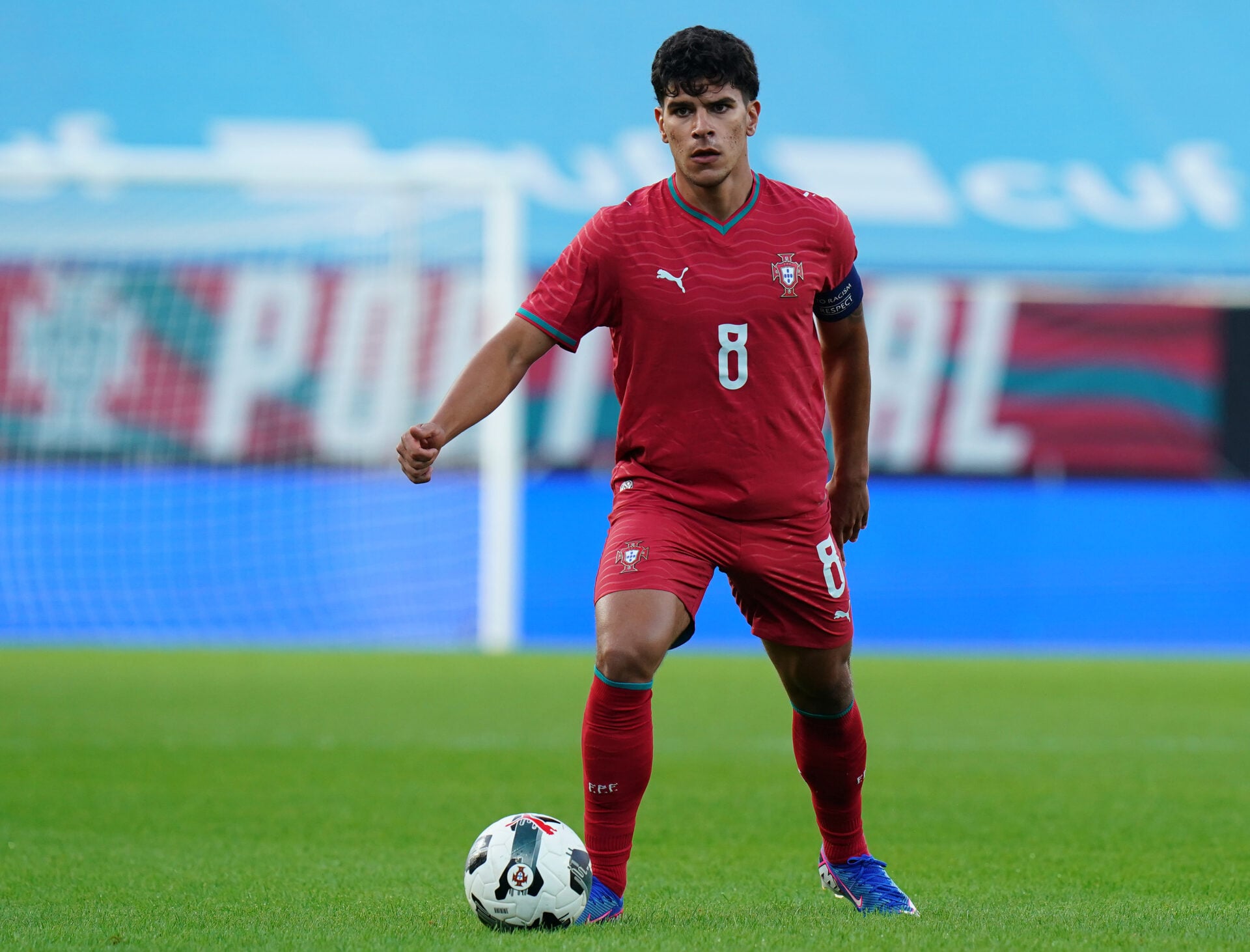
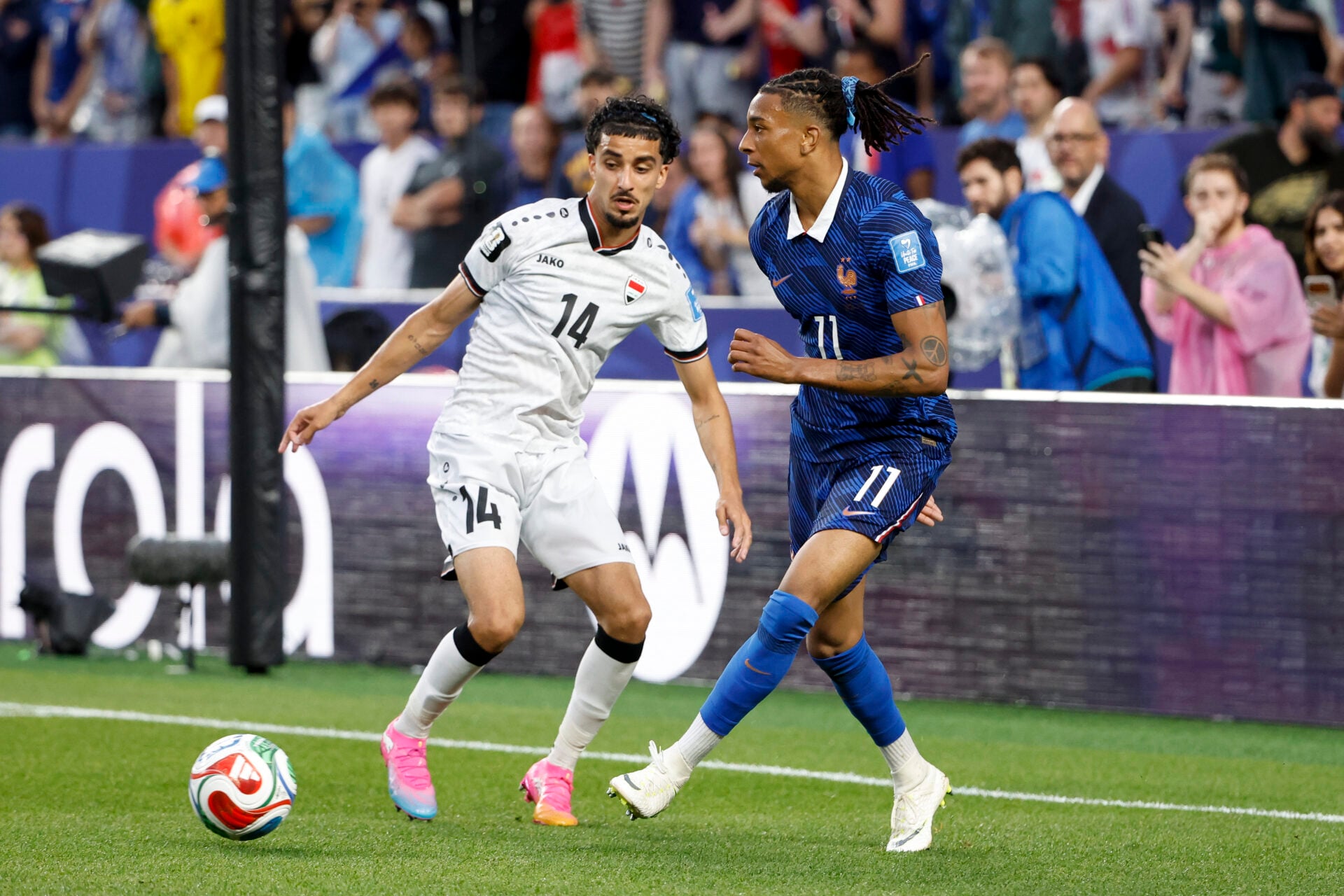
The academy at Manchester United is built to cultivate young players and elevate them to a level where they can compete in the professional game. The best graduates often receive opportunities with the first team, though not every talented youth player makes the leap to Old Trafford. Some may go on to achieve top-tier success elsewhere, but the club remains committed to maximizing each prospect’s potential during their development years.
At Carrington, the heart of United’s training operations, coaches devote substantial time to shaping young players’ abilities for senior-level performance. This environment emphasizes technical refinement, tactical understanding, and the mental resilience required to compete at higher levels.
For the 2026/27 season, United has announced that they will not participate in two cup competitions that traditionally feature youth teams: the EFL Trophy and the National League Cup. This decision comes after careful consideration of schedules, player development needs, and the broader objectives of the academy.
BBC Sport reported that the club has opted to focus on returning to the UEFA Youth League, which follows the senior team’s qualification for the Champions League. The involvement in the UEFA Youth League will be complemented by a slightly smaller professional development cohort consisting of U18s and U21s players. This adjustment aims to ensure that the squad has adequate match experience without overextending it across too many competitions.
Historically, United has not won either the EFL Trophy or the National League Cup. The club first entered the EFL Trophy in 2019, and in recent campaigns, the team has faced challenges progressing beyond the group stages in the EFL Trophy and has been eliminated in the league phase of the National League Cup. Despite these outcomes, the club’s youth teams continue to compete in other competitions and development programs to provide meaningful playing time and learning opportunities for young players.
In addition to the EFL Trophy and National League Cup decision, United will continue to participate in the Premier League U21 International Cup. The club reached the quarter-finals of the competition in the previous season before narrowly losing to Real Madrid, underscoring the value of international youth competition as part of player development.
On the coaching front, Adam Lawrence’s position with the U21s remains a focal point for continuity. Lawrence returned to Manchester United last season after a brief period with Newcastle, stepping into the role of U21s manager following the promotion of Travis Binnion to a first-team coaching position under Michael Carrick. Recent reports indicate that discussions are ongoing about extending Lawrence’s tenure, aligning leadership across the youth levels with the club’s broader coaching staff. This continuity is seen as essential given Binnion’s updated contract and the need to maintain stability within the development teams as they prepare for the new season.
The decision to concentrate resources and competitive opportunities on specific programs reflects a broader strategy: nurture high-potential youth players within a curated development path that prioritizes their growth, readiness for senior competition, and long-term success. While the club will miss the familiar formats of the EFL Trophy and National League Cup, the priority remains clear—preparing academy players to excel at the highest levels of professional football, with a steady flow of talent progressing through the ranks.
For supporters and observers, the focus on the UEFA Youth League, the Premier League U21 International Cup, and the central development squads signals a commitment to a more streamlined, consistent development pathway. This approach aims to maximize each player’s chances of reaching the first team or securing opportunities with other professional clubs where their talents can flourish. As the season unfolds, fans will be watching to see how this recalibrated schedule affects player progression, match experience, and the overall quality of the academy’s output.
In summary, Manchester United is prioritizing targeted development by stepping back from the EFL Trophy and National League Cup to favor a more concentrated youth development program. The club remains dedicated to giving its young players the best possible chance to reach the professional game, with a clear pathway through the UEFA Youth League and other high-level development competitions. The coaching staff’s ongoing efforts, led by experienced youth mentors and supported by a stable leadership line, will be central to driving the continued growth of United’s academy players in the seasons ahead.