At major golf championships, how fans behave in the gallery is expected to reflect respect for the game, its players, and the club hosting the event. The United States Golf Association (USGA) has a clear spectator conduct policy that emphasizes good manners, discourages abusive behavior, and outlines consequences for violations. The policy states that verbal abuse, harassment of any kind, threats, taunting, profanity, heckling, or any conduct that unfairly benefits or hinders players can lead to forfeiture of a ticket or credential without refund and a ban from attending future USGA championships. In short, spectators are accountable for their actions, and disruptions can result in removal from the event.
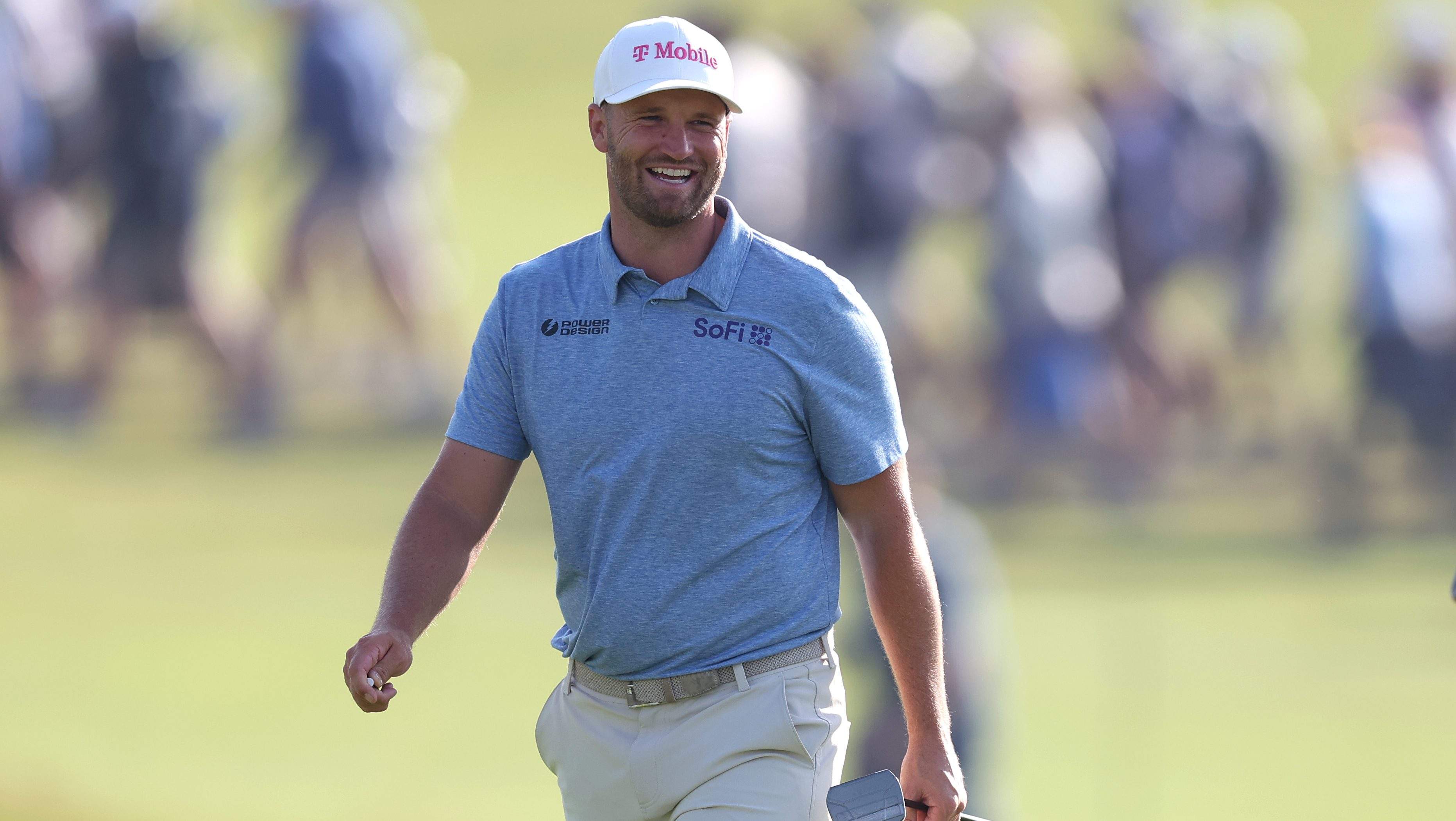
The 2026 U.S. Open at Shinnecock Hills presented a challenging atmosphere that tested both players and fans. Wyndham Clark arrived at the tournament aiming to repair perceptions after a controversial locker-room incident the previous year. He ultimately secured his second U.S. Open title, yet the event was marked by a persistent undercurrent of hostility from portions of the crowd. Instances of shouting and taunting were reported, with some spectators directing jeers toward Clark as he prepared for shots on several holes.
Certain moments stood out as evidence of an unusually tense ambiance for a major championship hosted near a large metropolitan area. Some fans voiced remarks aimed at Clark, including phrases such as “Get in the bunker” and “Don’t choke, Wyndham,” which added to a mounting sense of pressure and distraction. Security staff and law enforcement were present to enforce rules and maintain order, and at one point, a credentialed spectator was removed from the grounds as the competition continued.
The tone of the event was further complicated by pre-tournament and in-round sentiment about Clark. Perceived missteps or controversies from prior seasons had left some fans with a negative view, which in certain cases translated into on-site hostility. Reports and social media commentary highlighted incidents where fans accused event organizers and players of attempting to manipulate or game the rules, even when officials stated there was no violation. In addition to vocal heckling, there were debates about whether certain procedural calls were fair, contributing to a broader sense of discontent among parts of the gallery.
For Clark personally, the rallies of support and the boos from some corners of the crowd created a difficult balance. He acknowledged after a round that the atmosphere could feel flat without strong crowd energy, underscoring how important audience engagement is to the pace and excitement of major championships. He expressed hope that the final rounds would regain a lively and supportive vibe, which would enhance the experience for both players and spectators.
From a broader perspective, the event illustrated the challenge of maintaining a positive spectator environment at high-stakes tournaments. While the police and event staff intervened to eject individuals violating conduct rules, the overall atmosphere did not fully recover to what many fans might expect from a prestigious major held in a region with a rich golfing tradition. The shift in crowd dynamics—from a robust, energized gallery on days when the competition was tightly contested to a more subdued or, at times, hostile environment—raised questions about how venues can preserve decorum while allowing fans to express passion for the game.
Looking ahead, organizers may weigh the benefits of adopting stricter spectator guidelines, aligning with standards seen at other historic venues where tradition and decorum are integral to the championship experience. This could involve clearer communication of expected behavior, more visible enforcement of rules at key moments, and proactive measures to deter disruptive conduct before it escalates. The goal would be to protect players from undue distraction while ensuring fans can enjoy a respectful and engaging atmosphere that honors the sport’s heritage.
Meanwhile, Wyndham Clark’s victory adds to his career achievements and demonstrates the resilience required to navigate the pressure-filled environment of a major championship. As fans reflect on the tournament, the emphasis remains on celebrating athletic excellence, fair play, and the enduring traditions that define golf’s most prestigious events.
In summary, the U.S. Open at Shinnecock Hills highlighted ongoing conversations about spectator conduct at major golf championships. Ensuring a positive, respectful environment is a shared responsibility—one that benefits players, fans, and the sport as a whole, and helps preserve the prestige and enjoyment of golf’s premier events.