One of the most discussed adjustments comes in the form of increased motion. Hawk Blogger’s Brian Nemhauser noted that Fleury’s approach features more movement before and at the snap, differentiating between motion and shifting. Shifting involves players moving before the snap to get set, such as a tight end switching sides. Motion, on the other hand, has players in motion at the snap. Nemhauser suggested that motion could become a staple of Fleury’s offense, marking a departure from the more static looks of the prior install. He cautioned that installations are still evolving, and while the early impressions show more motion and different player usage, a full understanding of Fleury’s system will unfold over time.
This development signals that Fleury’s offense may diverge from what was expected under Kubiak, who had been charged with maximizing quarterback Sam Darnold’s strengths and elevating wide receiver Jaxon Smith-Njigba. Fleury’s trust to implement meaningful changes is notable, especially given Seattle’s recent Super Bowl-winning pedigree and the desire to sustain high-level performance on offense.
New plans for player utilization
Fleury’s approach to motion appears to extend beyond the top receiver and core pass-catchers. Nemhauser predicts the use of motion could expand to other skill-position players, including fullbacks, receivers, and tight ends. The expectation is that Fleury will incorporate more players in motion as a regular feature of the offense, potentially reshaping how different personnel are deployed in various packages.
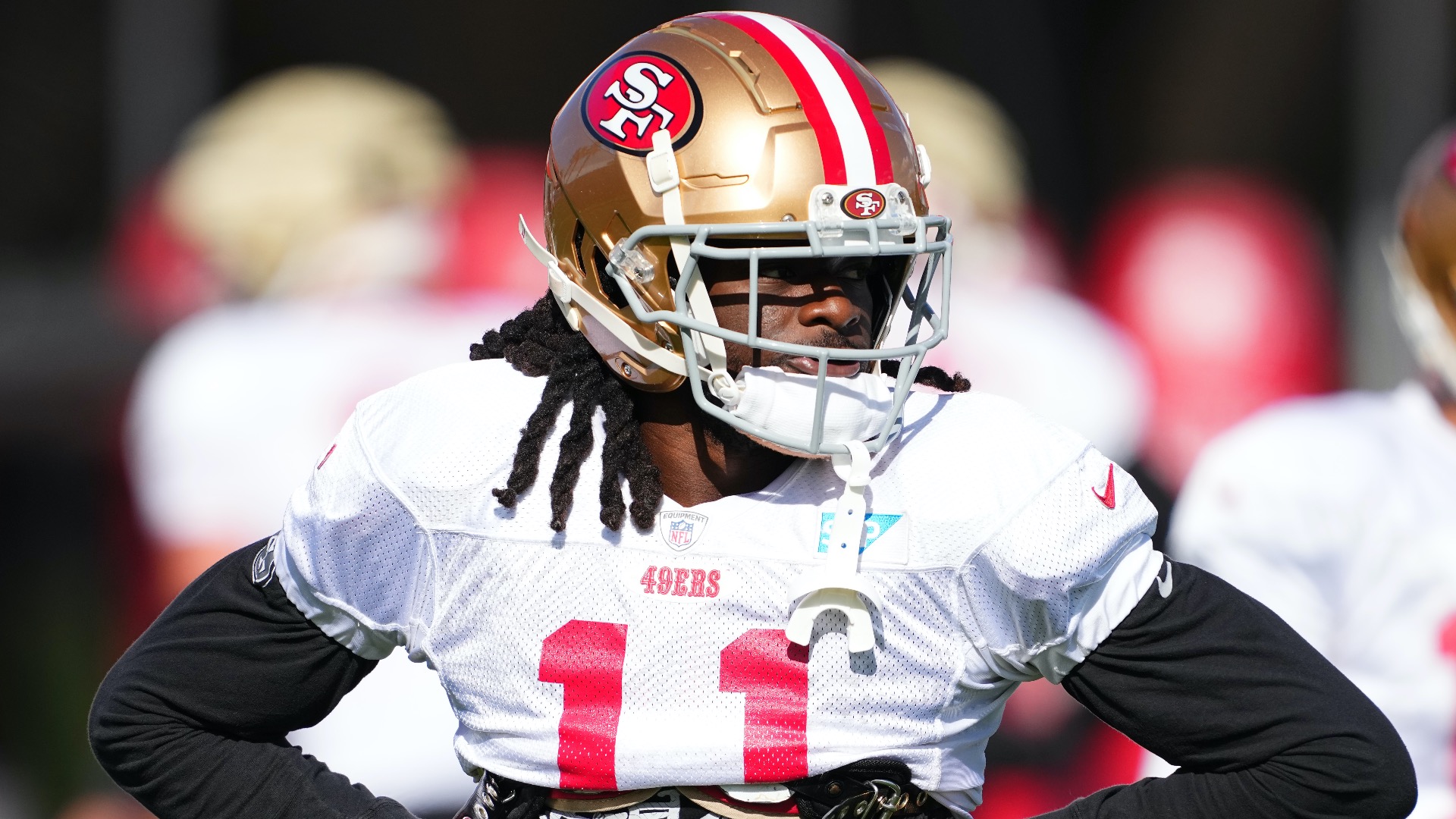
This emphasis on motion aligns with Fleury’s background coaching tight ends for the 49ers, where movement and misdirection can create favorable matchups and mismatches. With George Kittle’s past success in San Francisco serving as a reference point, Fleury’s experience could help Seattle’s offensive contingent, including players like Elijah Arroyo and Robbie Ouzts, find new ways to contribute. Additionally, rising backs and other playmakers, such as Jadarian Price, may benefit from more varied looks and shifting roles.
The goal of these adjustments is to diversify Seattle’s offense and keep defenses off balance. By increasing motion and dynamic pre-snap movement, Fleury aims to create additional opportunities for Darnold and the supporting cast, helping bridge any potential gaps between offense and defense as Seattle seeks to maintain a competitive edge.
Offensive room for improvement
Seattle’s defense carried much of the load to secure the championship, but there is a clear objective to elevate the offense to match that success. If Fleury’s schemes prove effective for Darnold and a broader group of playmakers, Seattle could see a more potent attack in 2026. Last season, Seattle’s offense ranked highly in points and yards before tightening up in the playoffs, but there is always room to grow. The team will be evaluating how to maximize Smith-Njigba’s impact while developing other targets to become reliable options in critical moments.
The Seahawks’ championship outlook also depends on sustaining a high-performance offense as head coach Mike Macdonald’s defense remains formidable but must avoid over-reliance on the unit’s dominance. Fleury’s changes may be a key factor in maintaining a balanced team that can win games through both offense and defense.
In summary, Brian Fleury is already introducing meaningful changes to Seattle’s offense, notably a greater emphasis on motion and more versatile usage of various skill-position players. If these adjustments translate into more consistent production for Darnold and a broader group of playmakers, the Seahawks could remain competitive contenders as they move forward.