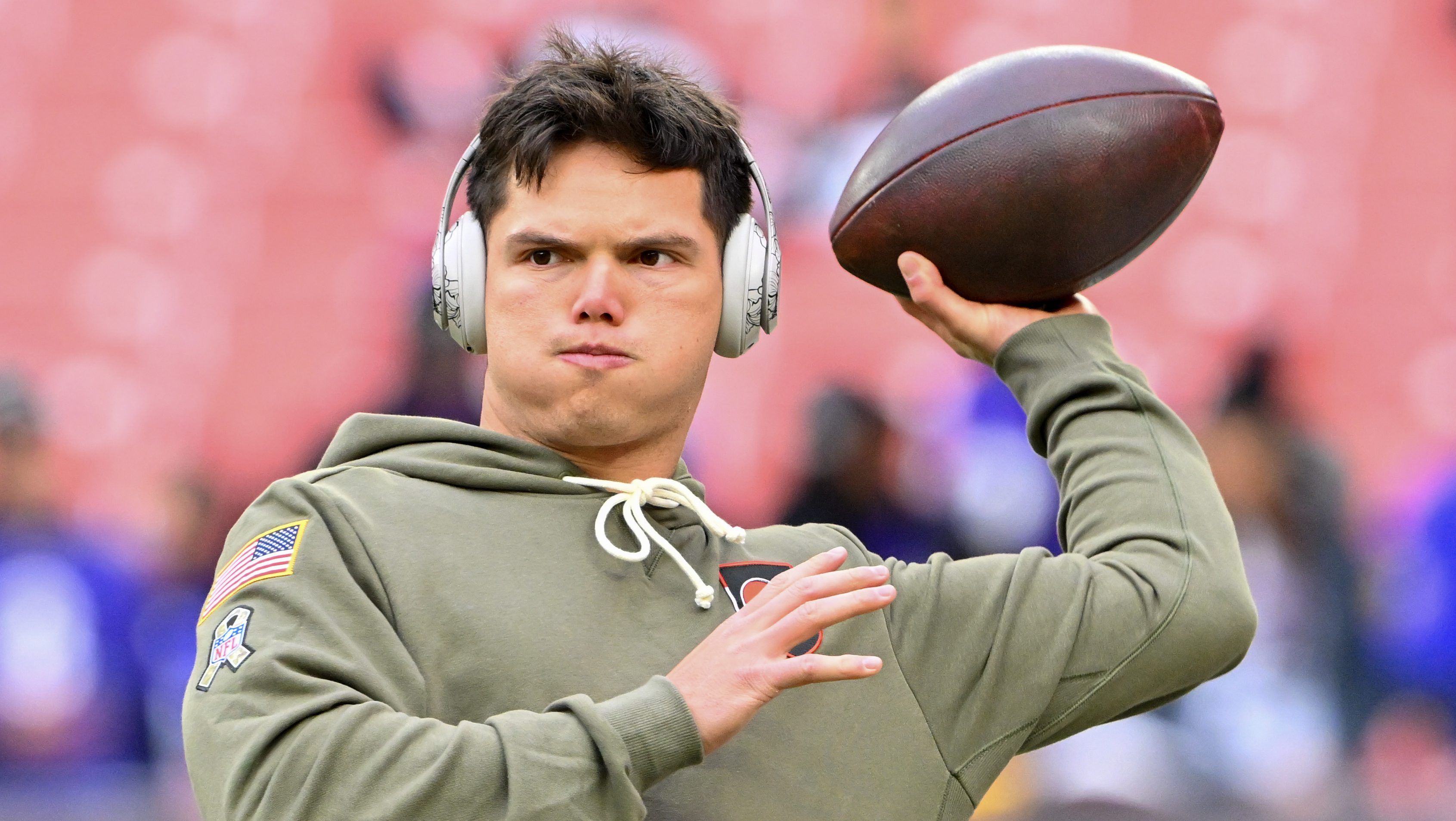
In his previous role, Williams joined the offense out of necessity as the Jets’ receiving corps faced injuries and the passing game struggled. He was solid but not spectacular in that capacity. This offseason, observers have noticed a marked improvement: Williams appears faster, and his route running has sharpened. Analysts believe he could be trusted to handle roughly four to five offensive touches per game, a level of involvement that would significantly broaden the Jets’ playmaking options.
Williams has emerged as a surprise to some because his trajectory differs from players who are expected to take extensive game reps only if they become standout playmakers. With Williams, there is a legitimate path to more frequent usage, and his performance so far suggests he could win the team’s fourth receiver spot. He has consistently separated himself in practice, getting open, catching the ball reliably, and showcasing versatility with the ball in his hands. The current assessment is that the Jets are excited about his development and believe he could have a meaningful impact on the offense moving forward.
The Surprises Keep Coming
Williams’ unexpected ascent continues to defy early expectations. Last season, he earned team MVP honors despite not being on the active roster at the start of the year, a Cinderella story that underscored his resilience and potential. He distinguished himself as one of the league’s top return specialists while contributing modestly on offense due to limited targets around him.
Over the course of 15 games, with two starting assignments, Williams was targeted 36 times on offense, catching 26 passes for 193 receiving yards. Special teams duty comprised 28 kickoff returns and 28 punt returns. He racked up 396 punt return yards and 837 kickoff return yards, adding two scoring plays on special teams. Pro Football Focus rated him as the top returner, underscoring his value as a game-changing special-teams contributor.
Great Success Story, What’s the Encore?
Head coach Aaron Glenn has praised Williams’ performance, acknowledging the progress he has made since rookie year days. The Jets’ decision to bring him aboard as an undrafted free agent in 2026 speaks to a broader strategy of identifying undervalued talent. Williams quickly became a central figure for the team last season, a rare breakout narrative that would set the stage for further opportunities.
Looking ahead, the question remains: can lightning strike twice? Will Williams provide another season as a dynamic returner while also contributing on offense? If he can maintain or elevate his production, the Jets would benefit from a broader, more versatile array of offensive weapons.
Contractual notes emphasize Williams’ favorable position. Last year, he earned a modest salary, and this year his contract reflects a raise to approximately $1.07 million. Looking further ahead, he is projected to be a restricted free agent in 2027, which would help the Jets retain him at a controlled cost while allowing continued development.
In sum, Isaiah Williams is emerging as a multidimensional asset for the Jets: a top-tier returner who also presents an increasing offensive threat. If his growth continues, he could play a significant role in the team’s offense and special teams alike, further enhancing New York’s versatility and depth on the field.