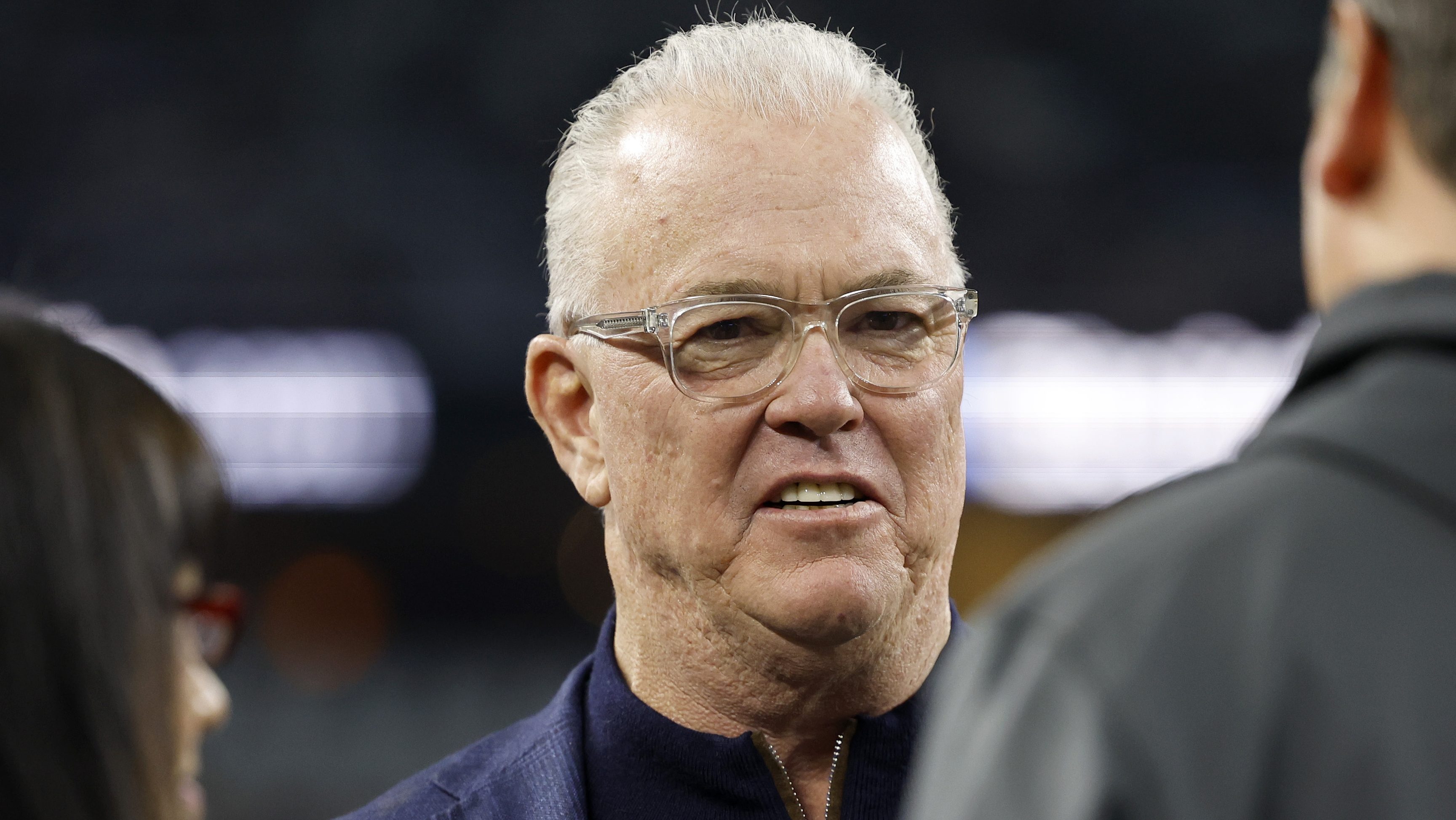
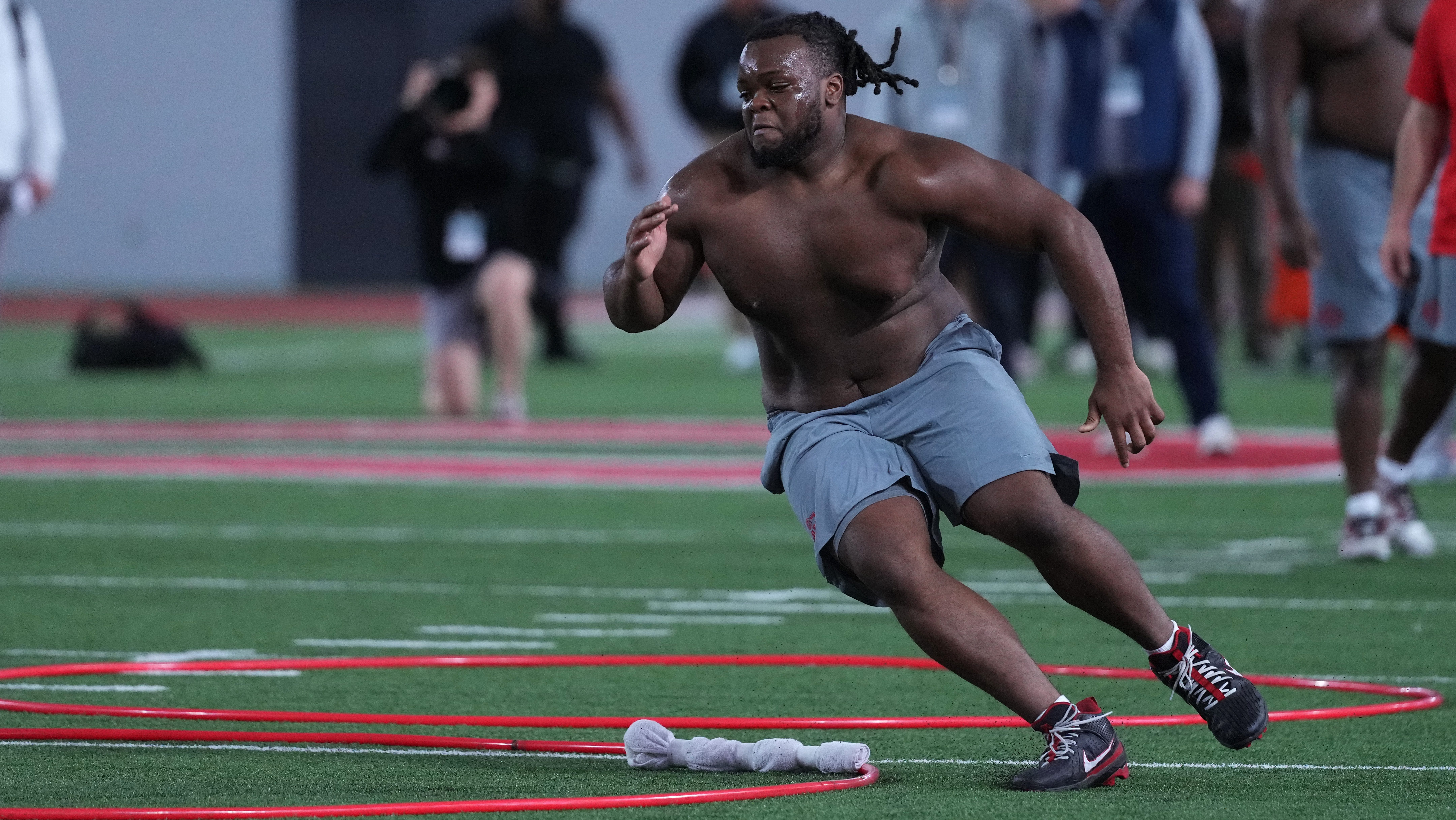
Team leader John Schneider has made clear that trading back is part of Seattle’s strategy, given the limited number of picks. However, NFL Network draft analyst Daniel Jeremiah warns there’s a catch: the farther the Seahawks move back, the greater the risk of slipping out of range for one of the few running backs he considers worth the spot.
Jeremiah even laid out a concrete example: dropping from 32 to 45 while climbing from 96 to 80 and adding pick 115 would give Seattle more selections and flexibility without abandoning their core targets. It’s a scenario that underscores the appeal of increasing draft capital while still staying in the vicinity of players the front office values.
For a team entering the draft with only four selections, such a plan makes sense in principle. The goal is to maximize opportunities to improve the roster, not merely to claim more picks for their own sake.
Yet the real risk lies in what Seattle might leave on the board, particularly at running back. While there would still be quality cornerbacks and edge players available later, dropping too far could jeopardize a shot at Price and other top-tier backs, whom Jeremiah regards as central to Seattle’s immediate needs.
Jeremiah’s latest take emphasizes that any trade-down must match the tier of players being passed up. If Seattle cannot move out of No. 32 efficiently, he would still take Price, or a similarly graded cornerback prospect, but he favors the running back given the roster needs and notes the RB class thins quickly after the top options.
In short, a modest slide may be the most prudent path: enough to gain additional picks without sacrificing access to the players Seattle values most. Trading back remains logical for a four-pick team, but the risk is that too dramatic a drop could cost the very players the Seahawks need to address in this draft.