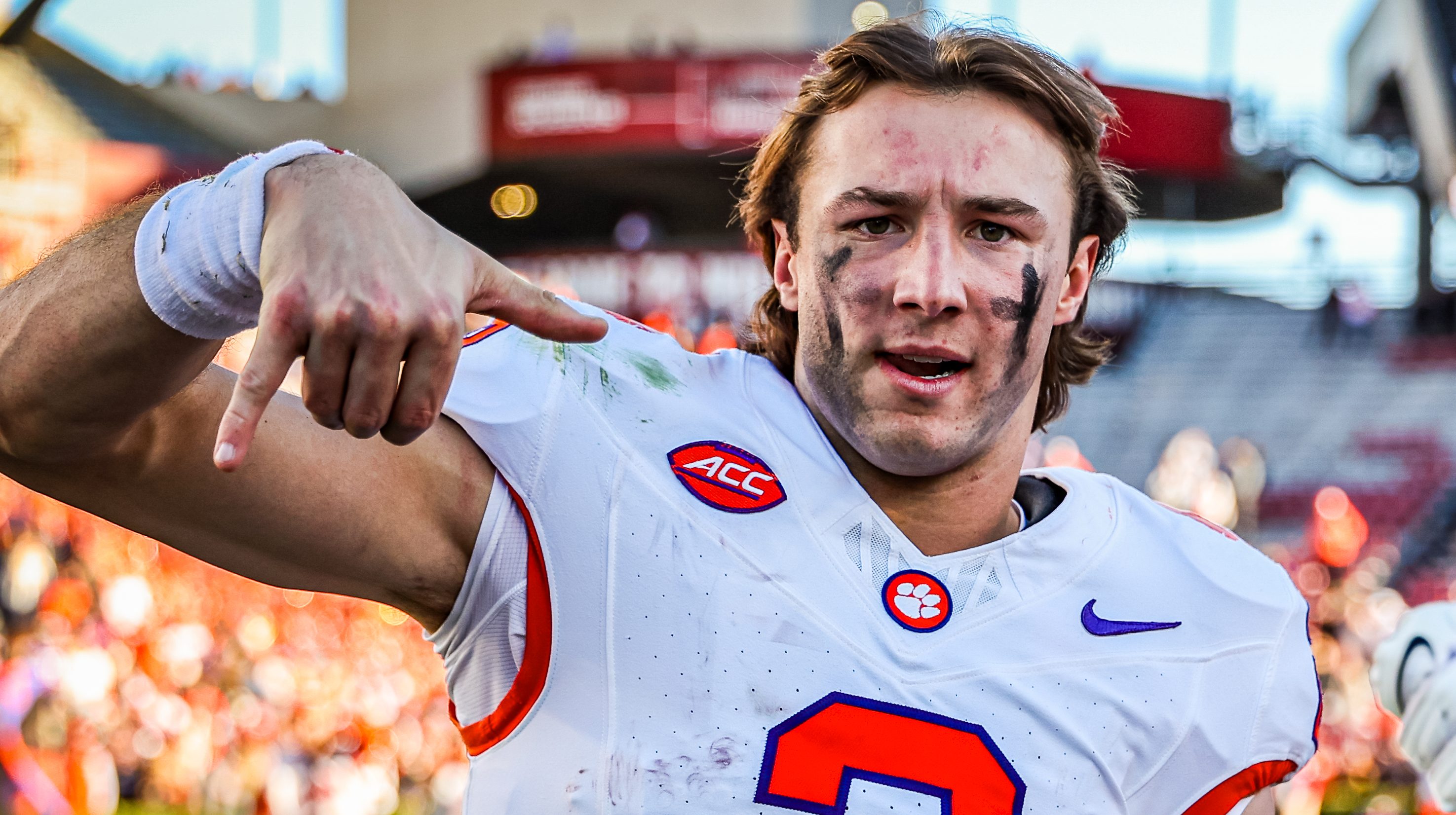
Dugar argues the pick still makes sense even with the presence of Leonard Williams and Byron Murphy II at defensive tackle and Jarran Reed in the fold. McDonald’s run-stuffing ability and potential pass-rush upside would allow him to learn from Williams and Reed before taking on a larger role, addressing a position Seattle doesn’t view as a desperate need but can still strengthen.
The Ohio State product is noted for his zero-technique style, capable of anchoring over the center and eating up double teams. At 6-foot-2 and about 327 pounds, he projects as a disruptive run defender who could help the Seahawks control the line of scrimmage and free up teammates to attack the quarterback.
Seattle’s front has drawn speculation about a possible trade for a veteran like Dexter Lawrence II, but Dugar emphasizes that the team did not pursue that deal. With general manager John Schneider historically inclined to accumulate more draft capital, selecting McDonald at No. 32 would be a strategic pivot toward reinforcing the interior rather than surrendering future picks for immediate gain.
The logic rests on Macdonald’s defensive philosophy, which relies on multiplying a big, physical front to defend the run and enable heavier cover personnel. Adding McDonald would give Seattle another interior disruptor who could eventually succeed Reed or Williams, while preserving the flexibility to deploy five or six in the box as needed.
Even with last year’s fifth-round pick Rylie Mills showing progress, his limited playing time and a torn ACL leave the interior depth chart without a clear long-term answer. The decision to keep rebuilding the heart of the defensive line remains appealing, and McDonald represents a credible path to both immediate impact and future continuity.