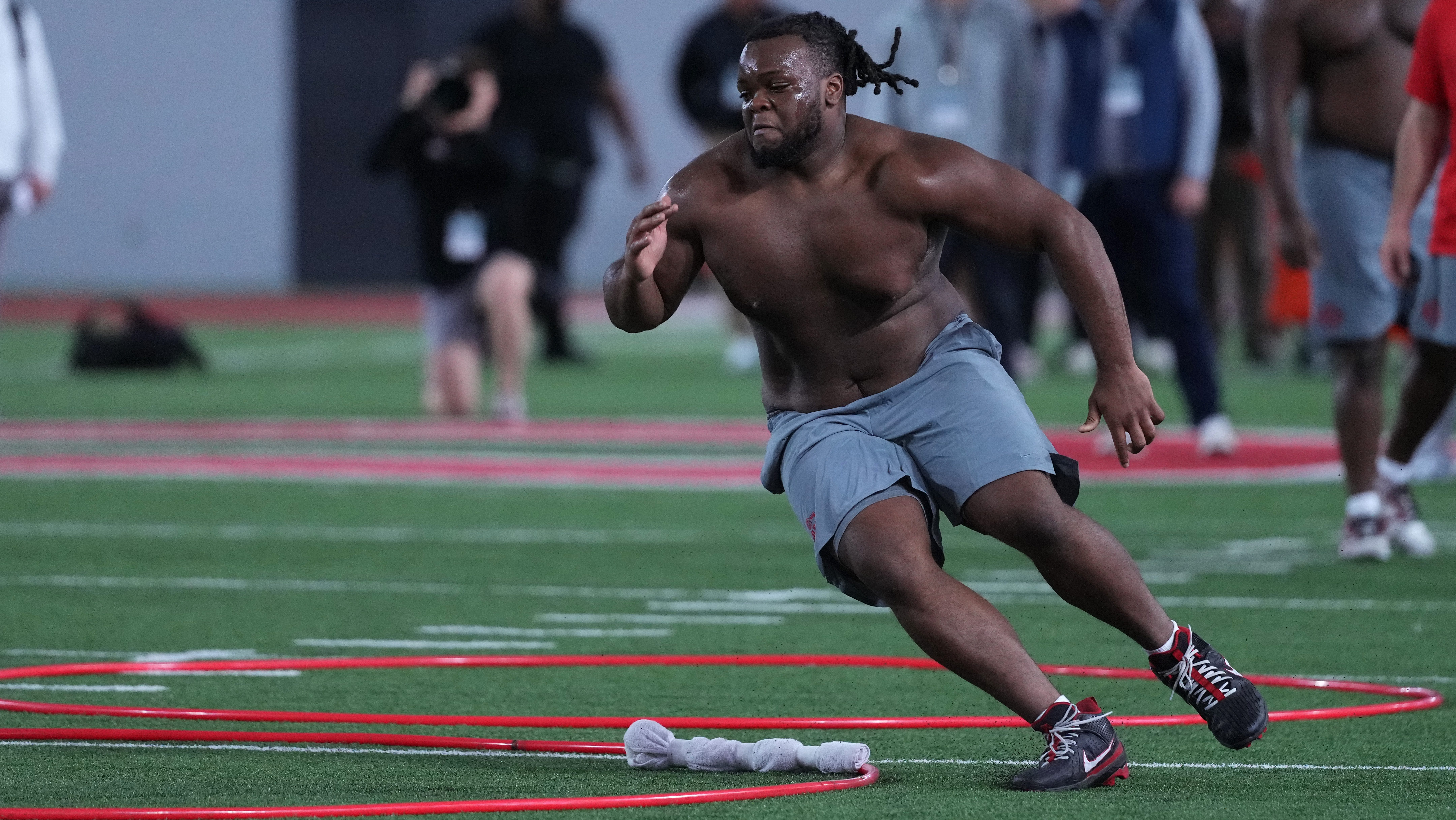
Stevenson had a strong rookie season as Chicago’s No. 2 boundary corner, but he regressed over the next two campaigns, especially in pass coverage. In 2025, he ranked among the league’s less effective perimeter corners, posting high yards allowed per coverage snap and a notably elevated rate of explosive plays. He finished the year with career lows in tackles, interceptions, and pass breakups, while missing extensive time due to shoulder and hip injuries.
King emphasized that Stevenson’s trajectory remains open-ended, insisting there’s no ceiling on his potential. “Tyrique’s no different than every young player in this league,” King said. “He’s had ups. He’s had his moments of downs. It’s our charge to help him through those… He’s still growing. He’s still learning. He’s shown those flashes of being a great player, and we have a lot of hope that, through this offseason, he’s gonna get there.”
The Bears’ contract situation also factors into their evaluation. Stevenson is entering the final year of his rookie deal in 2026 with a $4.096 million cap hit, making him a candidate for roster savings if Chicago pursues other options. While unlikely to be waived outright, the team could create meaningful cap relief if they decide to move in a different direction.
Draft planning is nuanced: cornerback is not an immediate need given the health of Jaylon Johnson and Kyler Gordon, but depth remains a consideration after a turbulent 2025 season. Chicago could target a corner in Day 3 if a prospect slips, or explore a Day 2 option with one of its late second-round picks (Nos. 57 and 60). There’s still a pathway to adding a starter in the first round, including a potential pick at No. 25 overall if the board aligns, with candidates such as Avieon Terrell and Jermod McCoy entering the conversation.
The 2026 NFL draft begins in prime time at 8 p.m. ET on Thursday, April 23, as the Bears weigh both immediate depth and long-term upside at cornerback. The organization will balance Stevenson’s development with possible upgrade options, aiming to strengthen Chicago’s secondary without sacrificing future flexibility.