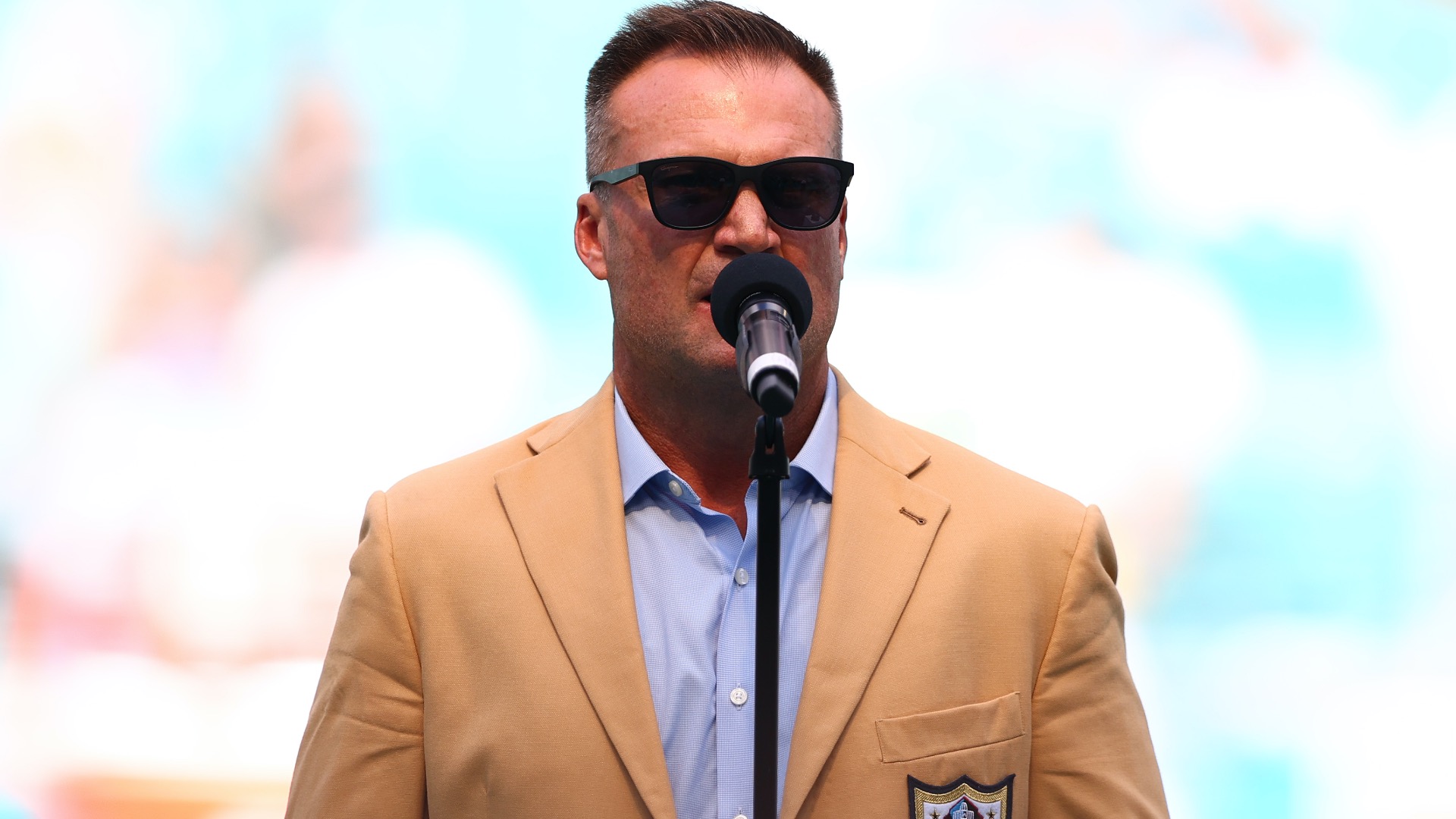
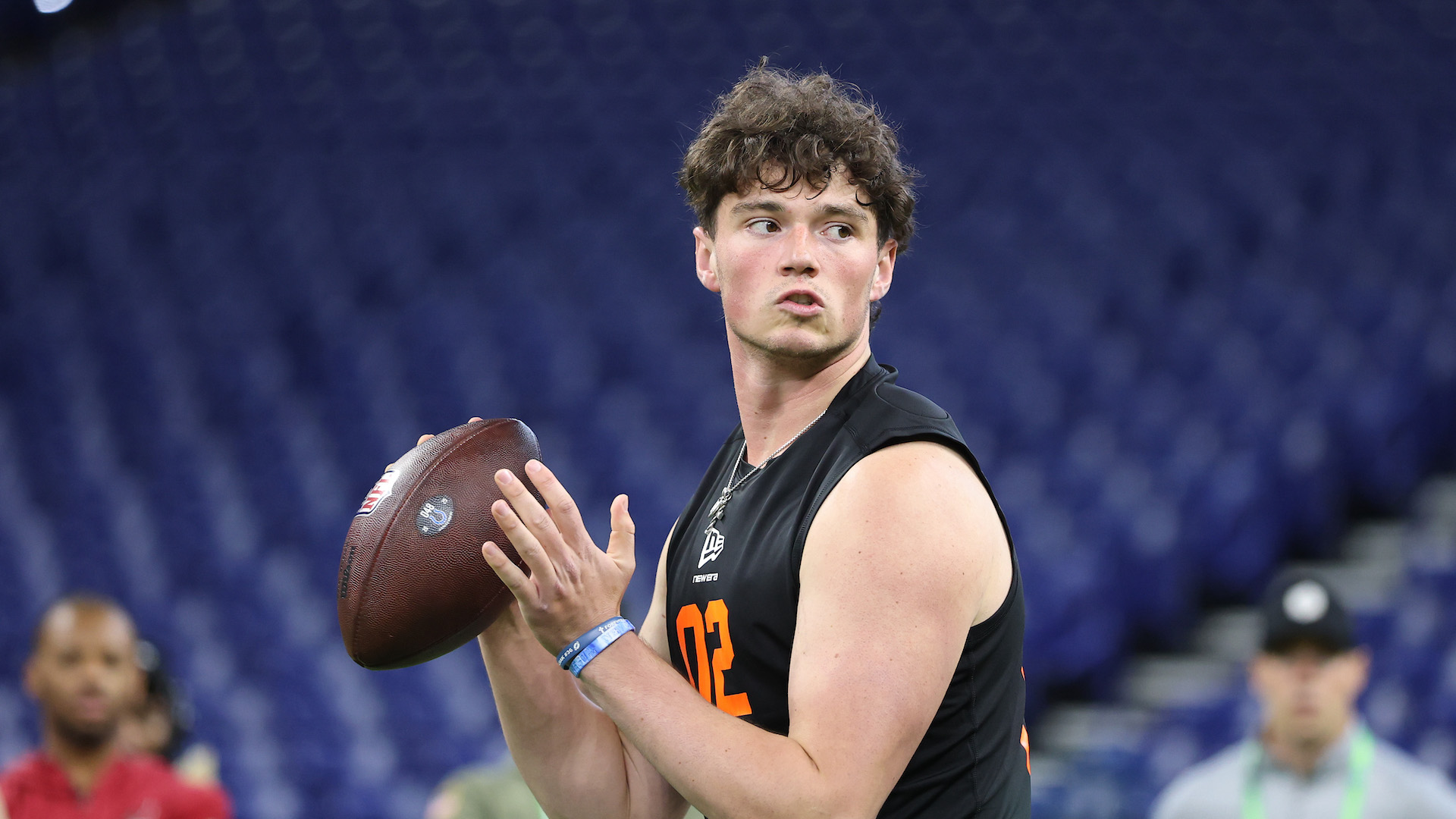
Two former Giants players—Leonard Williams and Julian Love—reportedly influenced Lawrence by recounting their own experiences and feelings of undervaluation, according to reports cited by a New York Daily News writer. Their perspectives helped shape Lawrence’s decision to push for a move away from Big Blue.
Seattle’s front office chose to sit out trade talks for Lawrence, a decision that reflected an emphasis on preserving draft capital. With only four picks in this draft, general manager John Schneider prioritized adding young talent through the draft rather than paying a premium for an established interior pass-rusher.
The Seahawks would have benefited from adding a premier interior disruptor, but their current depth at defensive tackle includes aging veterans such as Leonard Williams (31) and Jarran Reed (33), along with DeMarcus Lawrence inside. The approach centers on supplementing the line with younger, developing players rather than committing substantial assets to one veteran.
Possible draft avenues for Seattle include targeting a developmental interior player in the final first-round pick or the 64th overall selection (second round). Prospects like Peter Woods, Caleb Banks, or Lee Hunter could provide a youthful complement to Williams and the emerging nose guard role currently anchored by Byron Murphy II.
Overall, the Lawrence trade illustrates Seattle’s patient, draft-centric strategy to reinforce the front seven while pursuing long-term sustainability, rather than pursuing a high-priced veteran for immediate impact.