Harper argues that longevity should not automatically elevate a player above those who dominated for shorter periods. He pointed to LeBron’s career as evidence, noting that James “led the league in scoring one time” and suggesting that a lengthy career shouldn’t outweigh seasons of peak impact.
The former five-time champion draws a comparison to Kareem Abdul-Jabbar, highlighting that long careers can inflate statistics, but that doesn’t necessarily mean the player was the most impactful in the moment. Harper contends that players who led the league in various categories for shorter spans may have a stronger case for greatness than someone whose career has lasted longer.
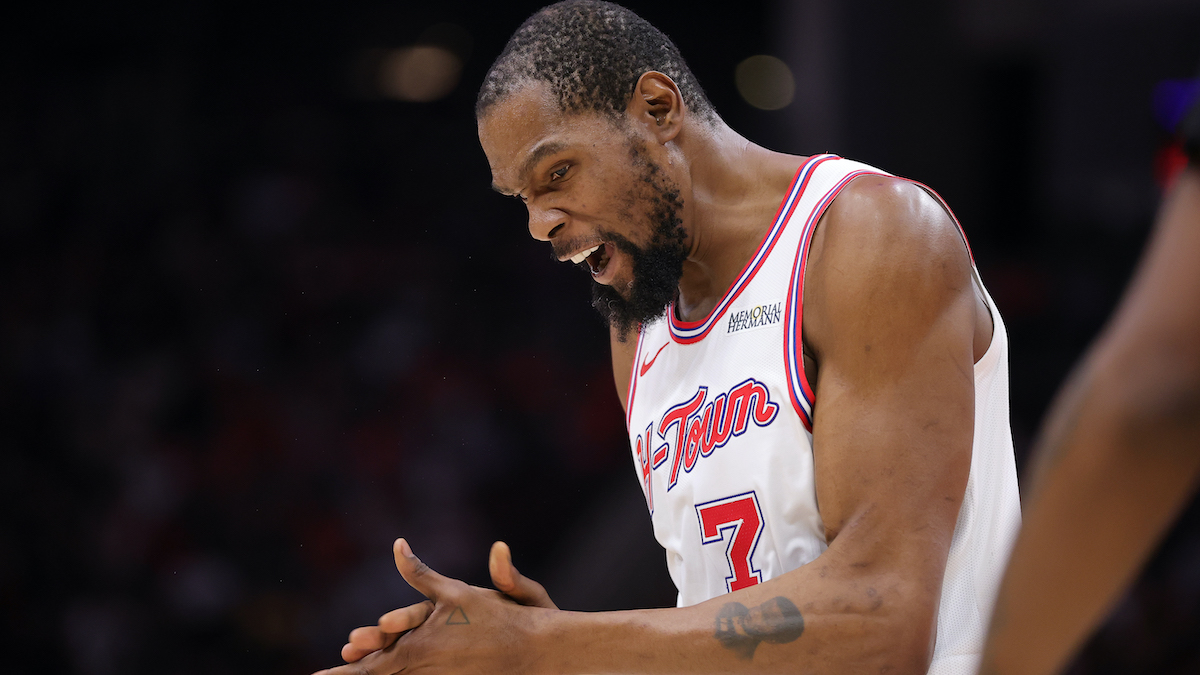
As part of his critique, Harper alludes to other contemporary scorers who could challenge the conventional idea of legacy. He mentions Kevin Durant potentially passing Michael Jordan on the all-time scoring list and DeMar DeRozan nearing Shaquille O’Neal’s point total, arguing that James should not be the standard-bearer for evaluating dominance purely on numbers.
The dispute has roots in Harper’s initial parenting remarks about LeBron during All-Star Weekend, which drew a sharp response from James. James later responded with a pointed comeback but also publicly respected his son Bronny and did not dwell on Harper’s personal comments. Harper, for his part, reaffirmed his position, asserting that LeBron’s longevity should not overshadow other players who achieved more in shorter bursts.
Overall, the exchange underscores a broader debate in the NBA about how to measure legacy: should longevity and sustained presence be weighted against peak seasons and era-defining dominance? The debate between Harper and James adds another chapter to the ongoing discussion about what truly constitutes greatness in basketball.