But their maneuvering is constrained by picks 12, 20, and 92, with no second-rounder. With top-tier defensive talents possibly off the board by their selections, any move up would require a two-team swap and careful calculus about cost and timing.
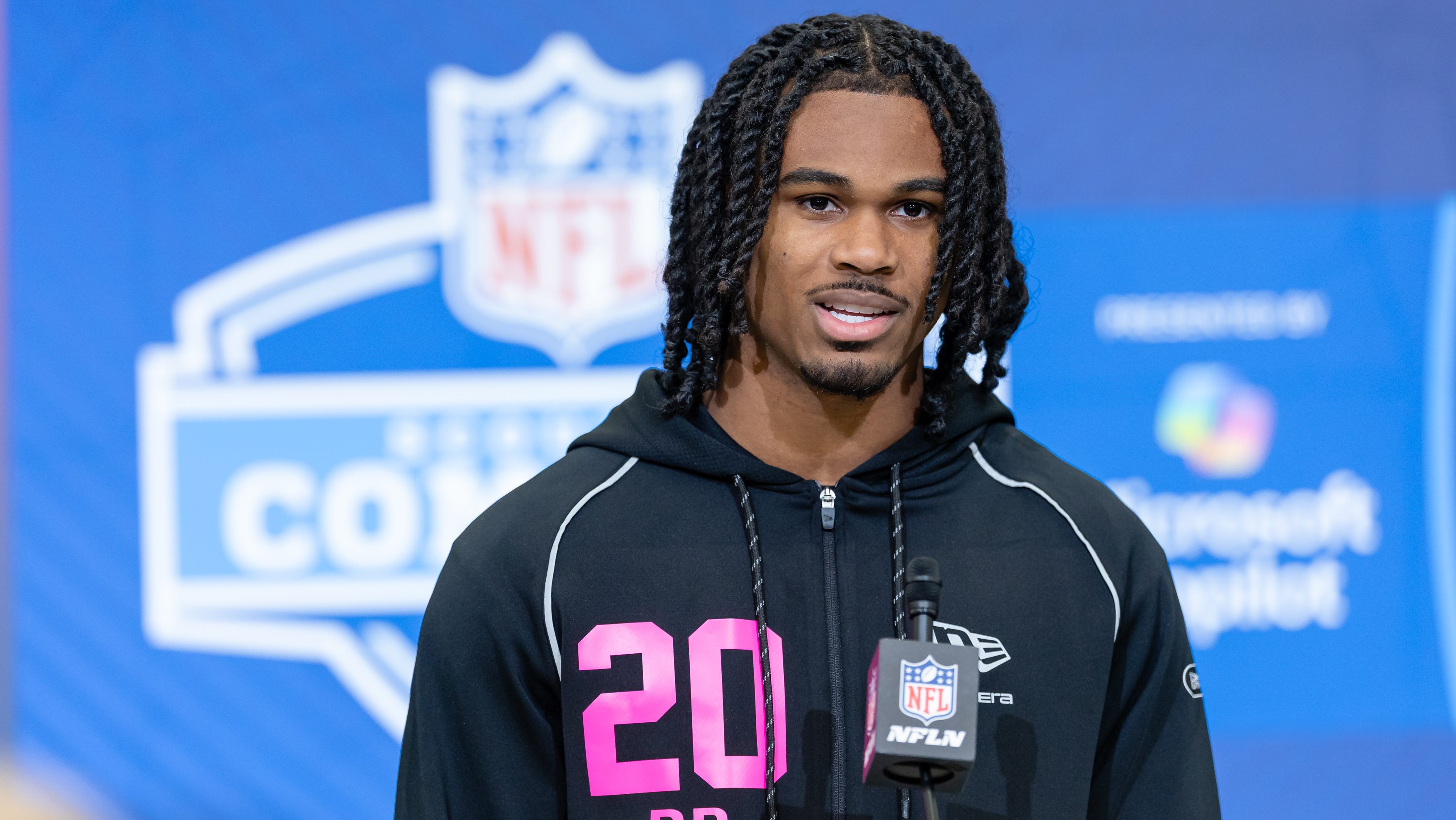
The Cowboys are linked to several high-upside defenders, including Ohio State’s Arvell Reese, Sonny Styles, or Caleb Downs, as well as pass-rushers like David Bailey or Rueben Bain, and LSU cornerback Mansoor Delane. There’s a clear drop-off after those names, which is part of the calculus in weighing a potential up-market leap.
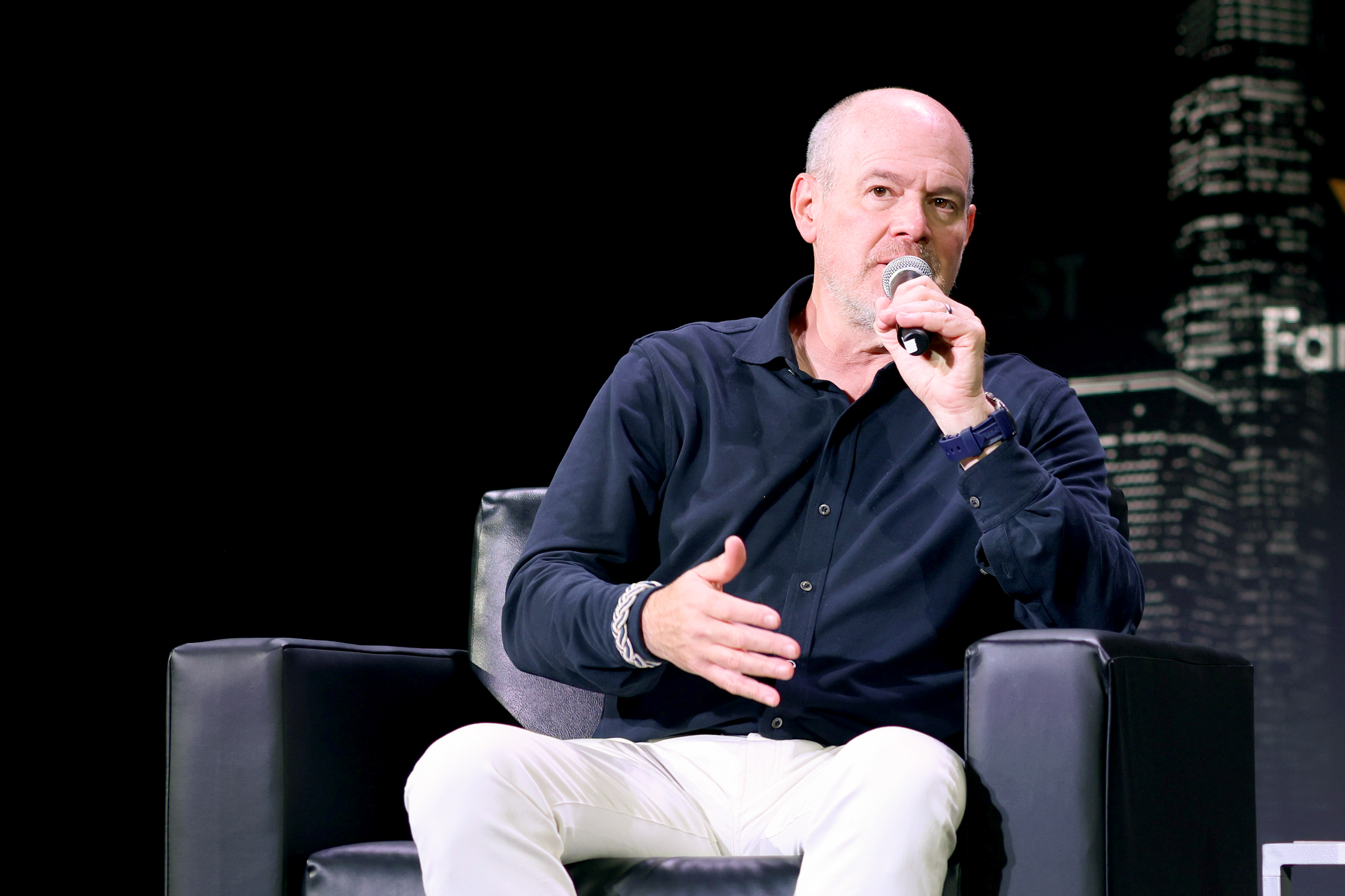
Former Jets general manager Mike Tannenbaum argued that trading up would be a mistake for a team with multiple holes. He suggested Dallas should stick at 12 and 20, or perhaps trade back to accumulate more assets, rather than surrendering picks to move into the top 10.
Cost considerations add to the complexity. Reaching into the top 9 could require including picks beyond 2025, possibly dipping into 2027 selections, making a bold move expensive and risky for a team with needs across all three levels of defense.
Sports pundit discussion has kept the scenario alive. Some analysts have floated the idea that, if the draft unfolds in a particular way, a top-tier defender could be within reach for Dallas, presenting a tempting but contingent opportunity to land a franchise-altering addition.
In sum, the Cowboys’ draft plan remains fluid. A move up is on the table, but only if the board aligns and the cost is justified, given their remaining holes and the value of multiple high-end defensive prospects.