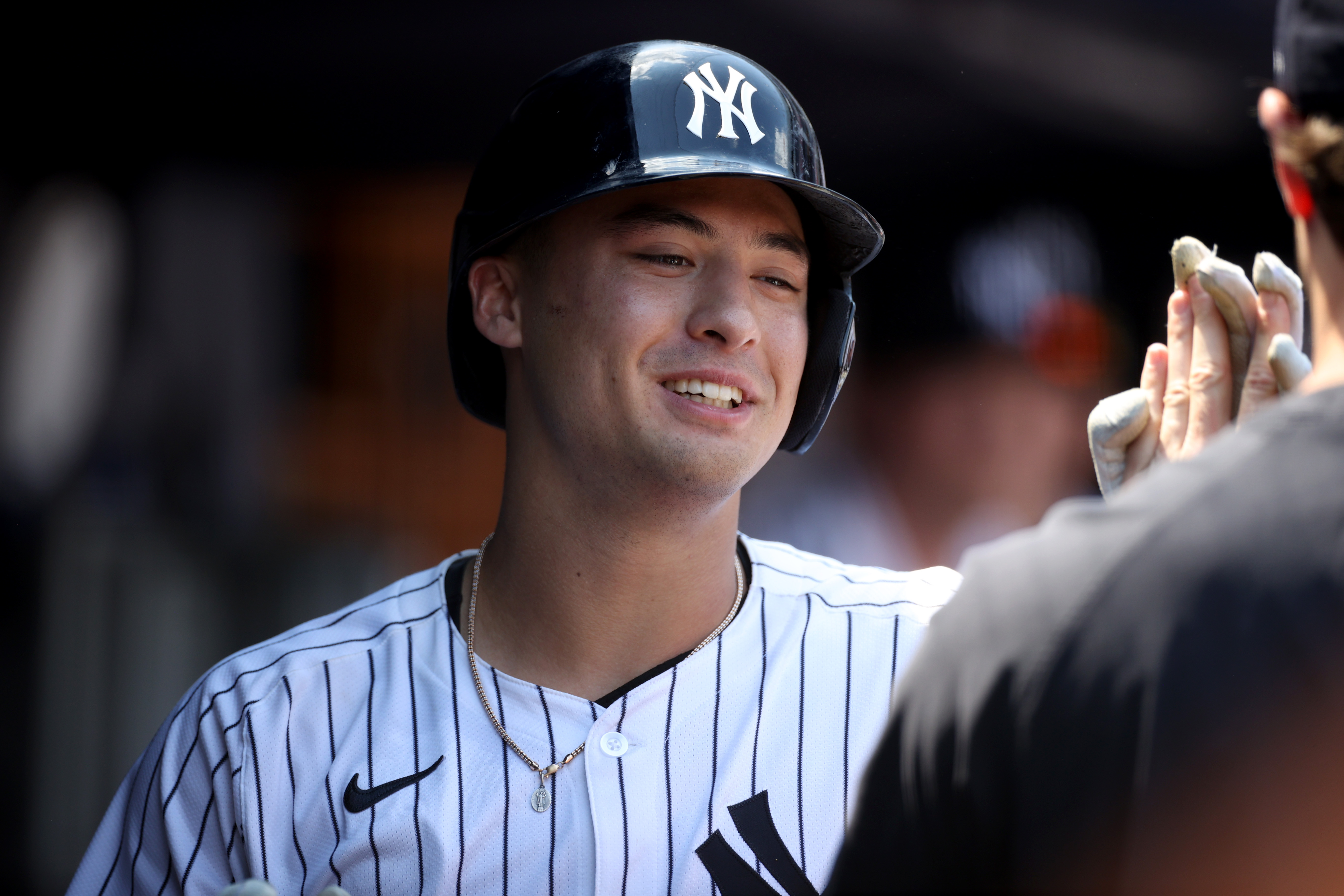
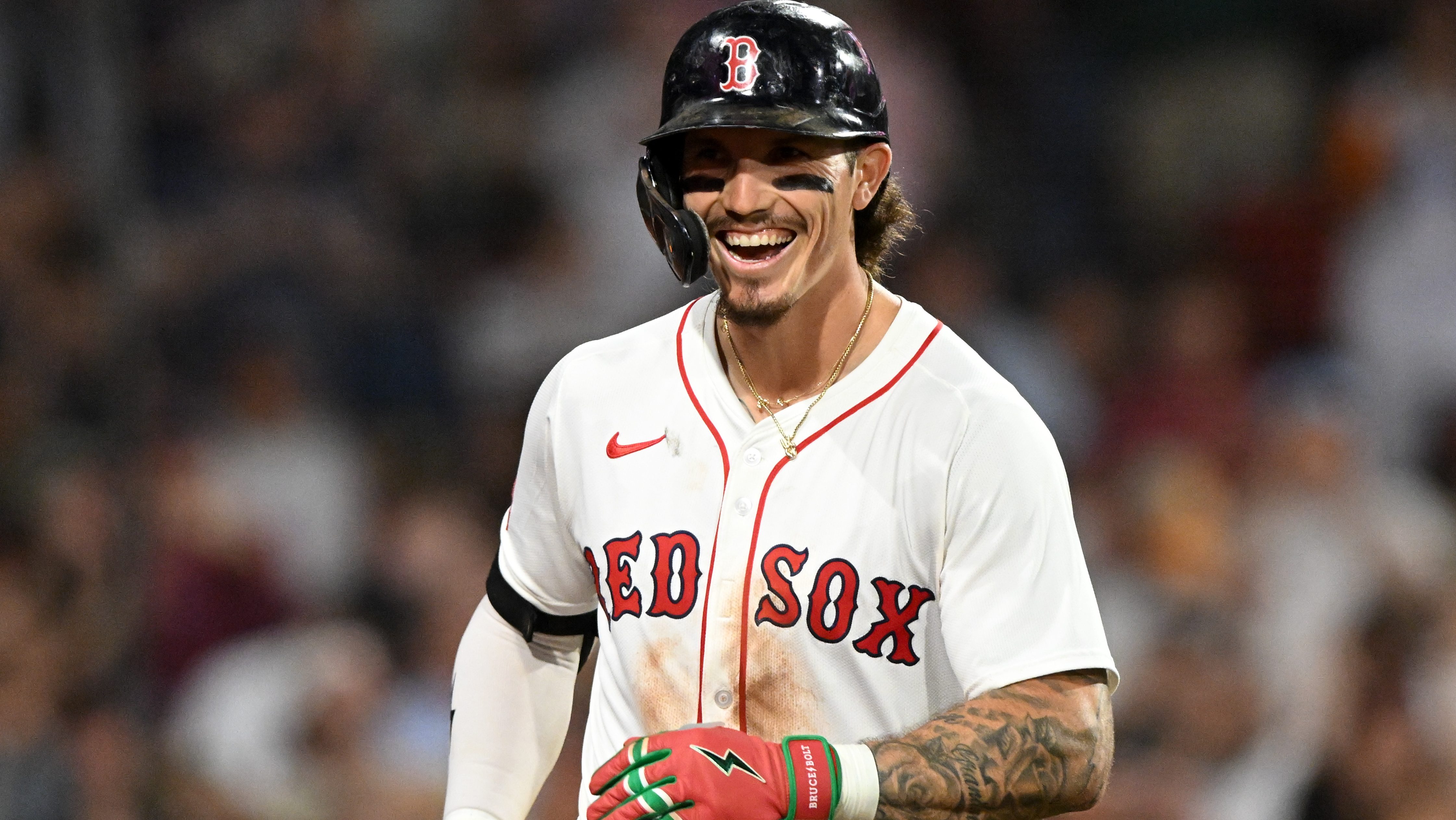
Now with the Giants, Devers has shifted to first base and designated hitter. He’s struggled this season, collecting 16 hits in 79 plate appearances with 23 strikeouts (about one per 3.4 trips) and posting a .577 OPS, an OPS+ of 66 that places him roughly 34% below the league average hitters.
Analyst Chris Sanders of FanSided described the Devers deal as “the worst contract in baseball,” arguing there is little optimism for a rebound and noting the eight-plus years and more than $200 million still owed as a mounting burden.
Sanders pointed to Devers’ nine‑year tenure with the Red Sox, during which he logged a career .851 OPS and 215 home runs, to illustrate the gap between prior production and the current decline. He argues that the current metrics align with a contract that has strayed far from its perceived value.
With the Giants absorbing the remaining years and more than $226 million still due, the Devers deal has become a focal point in discussions about long-term commitments and asset-value in baseball, raising questions about Boston’s decision and San Francisco’s return on investment.