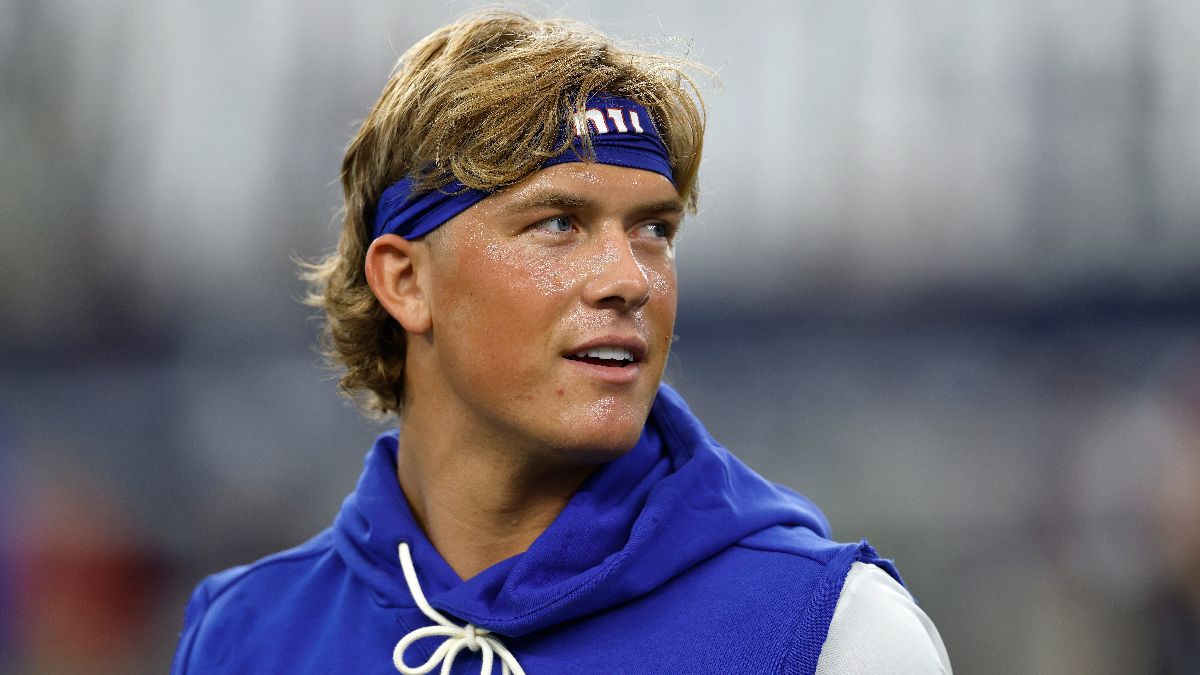
Anthony is viewed as a craft‑oriented receiver who could fit Kevin O’Connell’s offense thanks to his route running, agility, and maturity. While physicality isn’t his strongest trait, that’s not a deal‑breaker for the Vikings, who have previously valued versatile pass catchers in late rounds.
The evaluation of Anthony across analysts suggests he could be a late‑round flier. He’s praised for reliable hands, the ability to break tackles, and toughness. Comparisons have drawn parallels to Russell Gage, a later‑round find who carved out a productive NFL career once drafted.
In college, Anthony posted 39 receptions for 672 yards in 2024, averaging 17.2 yards per catch, before finishing with 31 receptions for 391 yards in 2025. His production was likely affected by Wisconsin’s passing game, which limited opportunities, though NFL projections varied, with some scouts viewing him as a potential undrafted signee.
There are concerns to weigh as well. Some evaluators described Anthony as a field‑stretcher with inconsistent production and a limited route tree, noting that his route running would need refinement and his ball tracking and jump‑ball ability aren’t elite. Still, his potential as a kick returner could help him earn a spot on a special teams unit and a place on the practice squad.
Vikings depth at wide receiver currently includes Justin Jefferson and Jordan Addison at the top, with several players such as Tai Felton, Myles Price, Jeshaun Jones, Dontae Fleming, and Joaquin Davis competing behind them. If Minnesota invests early in a receiver, Anthony’s late‑round appeal could be lessened; however, a late‑round flier remains a reasonable consideration to bolster depth behind the top two and address future growth.