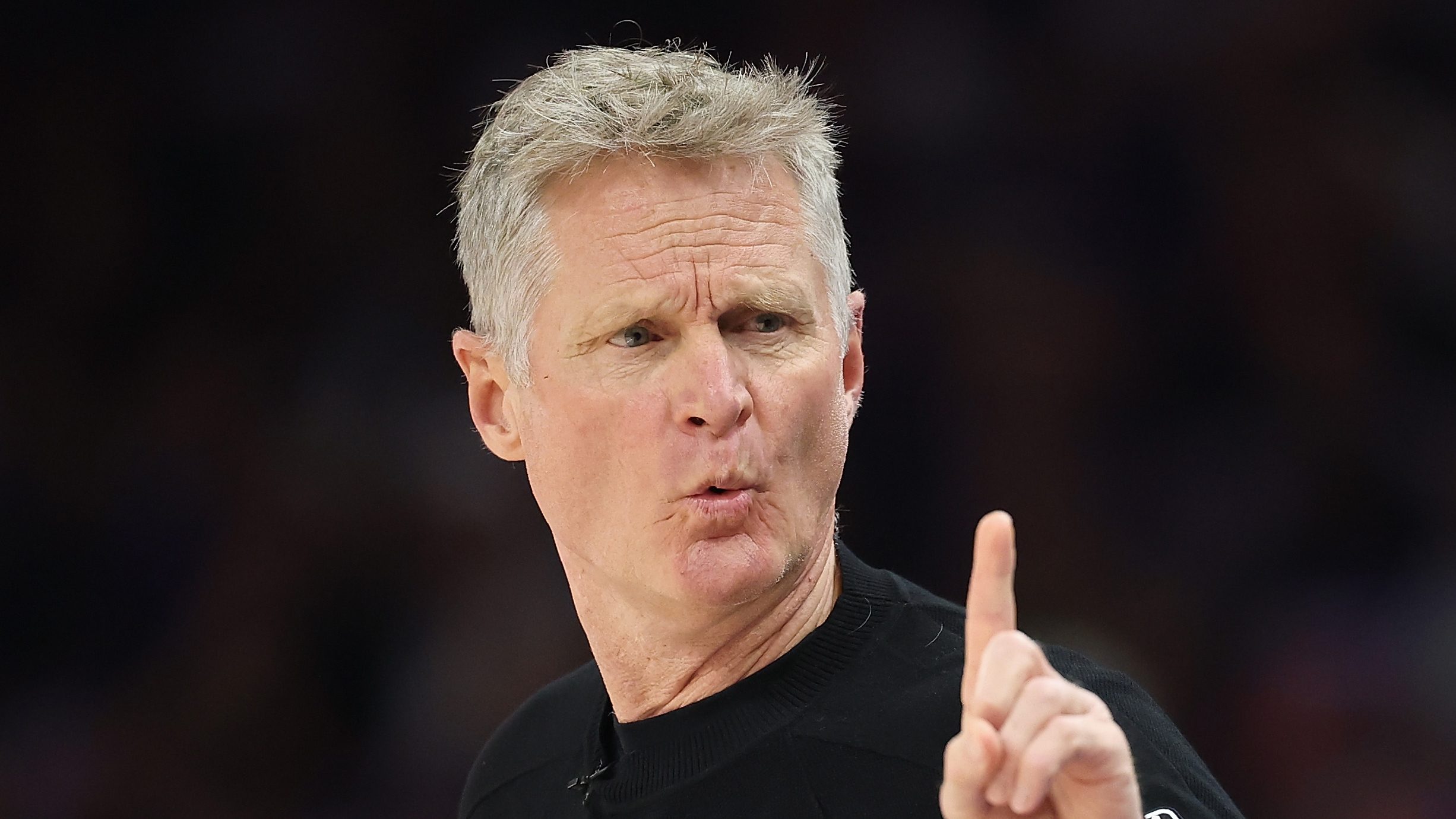
The San Antonio Spurs face a difficult challenge whenever Victor Wembanyama is unavailable. His size, reach and defensive presence around the basket are difficult to replace with a simple lineup change. But after San Antonio’s 105–93 loss to the Detroit Pistons, basketball analyst Kevin O’Connor questioned whether the team’s struggles without its star center could also reflect a problem with its defensive approach.
O’Connor’s comments focused attention on head coach Mitch Johnson and the personnel available to him. Rather than viewing the absence of Wembanyama as the only explanation for the Spurs’ defensive difficulties, O’Connor asked whether the team should be performing better with its other players on the court.
> “The scary thought for the Spurs: What if it’s not a Luke Kornet problem? What if it’s a Mitch Johnson problem?” O’Connor wrote on X.
The question points to a broader issue: how should San Antonio defend when its most influential rim protector is off the floor? Wembanyama changes the way opponents approach the basket, and the Spurs cannot necessarily expect another center to cover the same ground or deter the same shots. Still, O’Connor argued that the available roster should be able to provide a more reliable defensive effort.
## Kevin O’Connor Questions the Spurs’ Defensive Approach
O’Connor cited San Antonio’s guards, long-wing players and center Luke Kornet as reasons the team should be capable of defending more effectively in Wembanyama’s absence. He also pointed to Kornet’s previous defensive impact in Boston, suggesting that the center’s presence should not automatically leave the Spurs without answers.
> “And yet, this team can’t stop anyone without Wemby,” O’Connor wrote. “Johnson needs to figure that out.”
That is O’Connor’s assessment, not proof that one player or coaching decision is responsible for every defensive breakdown. Kornet should not be expected to duplicate all of Wembanyama’s contributions. Few players could take on that role, particularly when it comes to protecting the rim and influencing opponents’ decisions near the basket.
The more practical question is whether the Spurs adjust their approach to match the players available. A defense designed around Wembanyama’s exceptional length may need to change when he is resting or unavailable. If the team has less protection behind its perimeter defenders, it may need to reconsider how aggressively those defenders challenge ball handlers and how teammates respond when an opponent drives into the lane.
## Mitch Johnson Faces a Defensive Adjustment
Johnson’s challenge is not to recreate Wembanyama’s impact with another player. It is to find a system that makes the most of the roster on the floor. That could involve choosing different defensive coverages, placing greater emphasis on containing drives or using lineups that reduce difficult assignments. These are potential adjustments to consider, not evidence on their own that a single tactical choice caused the loss to Detroit.
Defense also depends on execution from the players. Communication, sound positioning and recovering after a missed shot all matter. A coach can set expectations and provide direction, but the players still need to carry out those instructions during the game.
O’Connor’s criticism raises a fair question for San Antonio: how much of the defensive drop-off is an unavoidable consequence of missing Wembanyama, and how much can the team address through better planning and execution? The Spurs can recognize the scale of Wembanyama’s impact while still expecting the rest of the roster to limit breakdowns.
Johnson will need to help his team find a workable defensive identity when its star is off the court. The players, in turn, must communicate, stay organized and execute the plan. Replacing Wembanyama’s presence is not realistic, but improving the team’s response in his absence remains an important responsibility for both the coaching staff and the players.