Bill Parcells once summed up a familiar coaching dilemma with a memorable line: if a team expects a coach to cook dinner, the coach should at least be allowed to shop for the groceries. The remark reflected the tension that can arise when a coach is held responsible for results but does not have final authority over the decisions that shape a team.
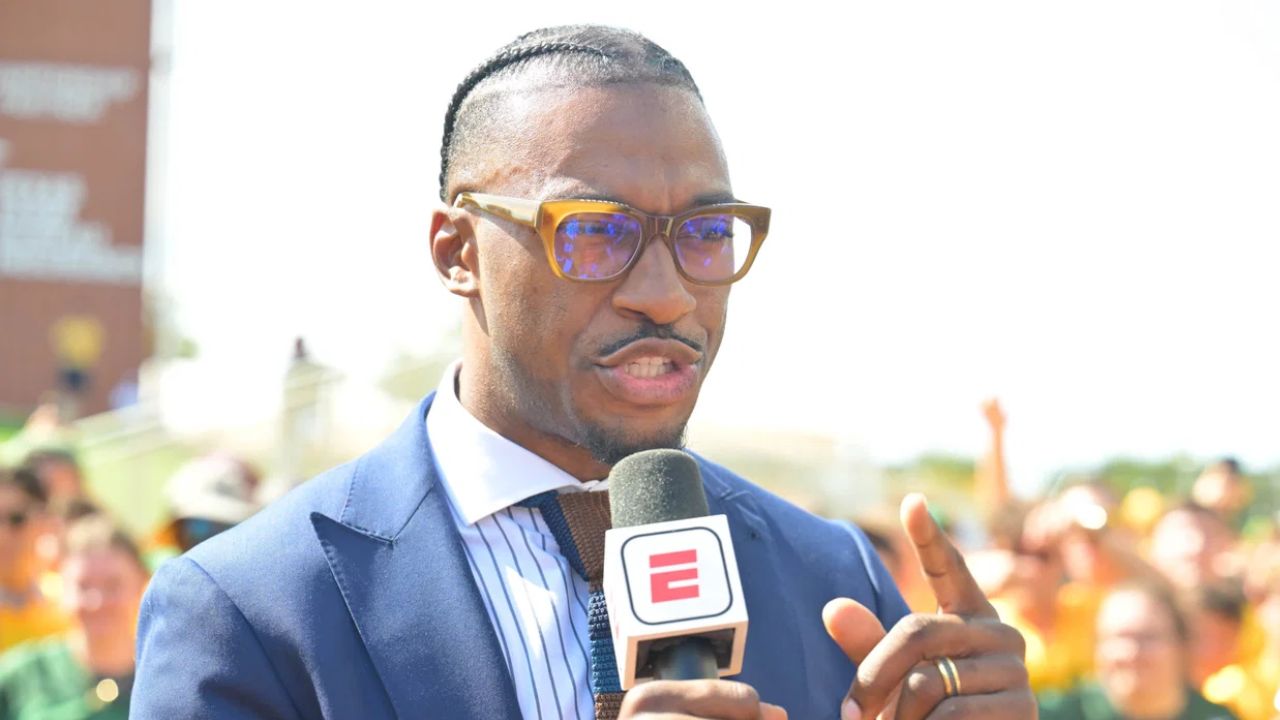
A similar conflict unfolded between Dallas Cowboys owner Jerry Jones and head coach Jimmy Johnson. In a recent appearance on the *Double Coverage Podcast*, former ESPN host Skip Bayless described the clash between the two men and recalled what Jones allegedly told reporters shortly before Johnson left the team.
Bayless said Jones wanted recognition for the Cowboys’ success and that the relationship became strained after Dallas won back-to-back Super Bowls following the 1992 and 1993 seasons.
“At some point, Jerry wants all the credit. He wants to be the man,” Bayless said. He added that Jones and Johnson clashed as their partnership continued, alleging that Johnson had embarrassed Jones in front of others, including other coaches. Bayless recalled Jones saying, “Screw you, man. You don’t understand. It’s my team, not your team.”
Bayless also described an incident at a league meeting. According to his account, Jones returned to his hotel one night and saw two *Dallas Morning News* reporters at the bar. He approached them and said he was going to fire Johnson. Bayless said Jones also told the reporters that he planned to hire Barry Switzer, who had been away from football for three years, to coach Dallas.
The reported remark reflected the central disagreement: who had the authority to make decisions for the Cowboys, and who would receive credit for the team’s success?
Jones bought the Cowboys in 1989 and hired Johnson as head coach that year. Johnson’s contract gave him full authority over player personnel, trades and coaching hires. Their five-year partnership, which lasted from 1989 through 1993, produced two championships: victories in Super Bowl XXVII and Super Bowl XXVIII.
The Cowboys’ success did not resolve the differences between the owner and coach. As the team began winning, Jones reportedly sought a larger role in football decisions and began holding press conferences of his own. Their disagreements increasingly became a struggle over influence and public credit.
By their fifth season together, tensions had grown more visible. Johnson publicly expressed interest in the head-coaching position with the expansion Jacksonville Jaguars. He also joked on television about Jones keeping money from the team’s Super Bowl party. Those incidents added to the strain in an already difficult relationship.
The split became final on March 29, 1994. Johnson was not formally fired, but the separation followed months of bad blood and was widely seen as resembling a dismissal. The partnership that had delivered two consecutive Super Bowl titles had ended after the two leaders could not maintain a workable relationship.
Jones acted quickly on his stated plan. On March 30, 1994, he hired Switzer to replace Johnson. Switzer took over a strong roster built during Johnson’s tenure and led Dallas to a win over the Pittsburgh Steelers in Super Bowl XXX, following the 1995 season.
The change in coaches also reflected a difference in approach to the organization’s power structure. Johnson had held authority over personnel matters under his contract, while Switzer had no interest in a comparable front-office struggle. He willingly allowed Jones to take full control of player personnel, drafts and trades.
The Cowboys’ history under Jones and Johnson illustrates how success on the field does not necessarily settle disagreements behind the scenes. Their two championships secured their place in franchise history, but the lasting story of their partnership is also one of competing views about leadership, authority and ownership of the team’s achievements.