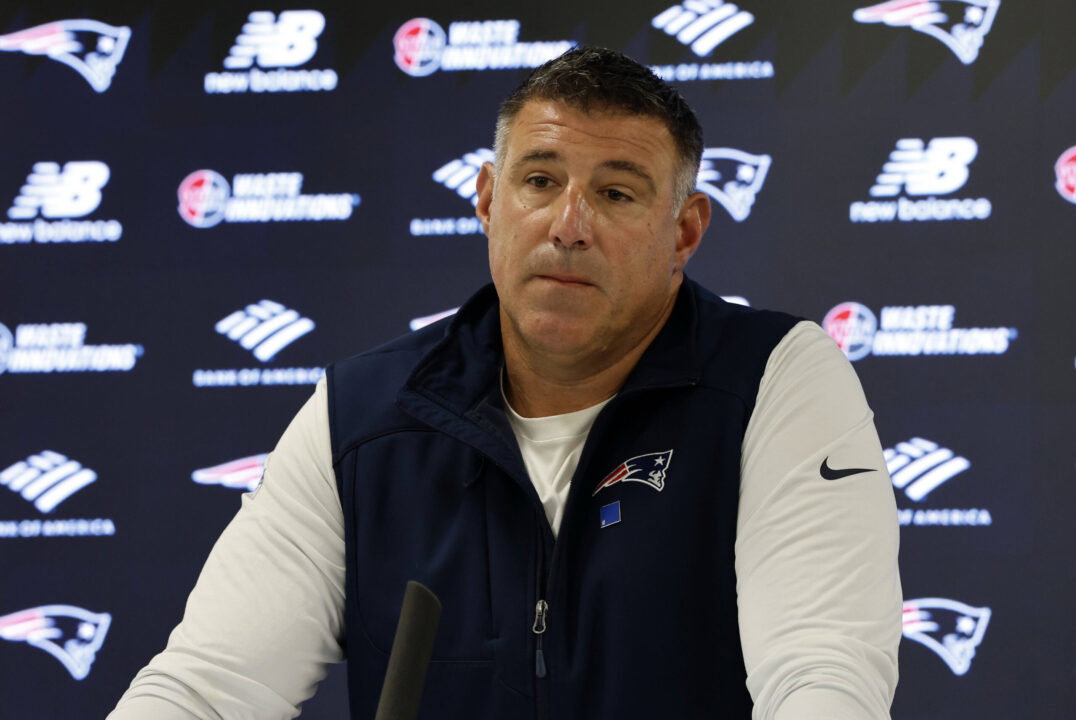
North Carolina’s 16–14 loss to Louisville ended with a heated confrontation involving players from both teams. As tempers rose on the field, UNC head coach Bill Belichick stepped in to direct his players away from the dispute. His message afterward was clear: the game should be played between the whistles, and the postgame reaction must not overshadow the performance.
Asked what he told the team after the incident, Belichick said he had focused first on getting the players off the field.
“Last play of the game, I just got everybody out of there as quickly as possible,” he said. “Play a game between the whistles. That’s all we’re here for.”
The confrontation unfolded after a close game at North Carolina’s home stadium. Louisville secured a two-point victory, its fifth consecutive win, but the final moments were marked by pushing and clashes rather than the usual postgame exchanges.
The trouble began as Louisville prepared to finish the game in victory formation. Players from the two teams began exchanging words, and the verbal dispute escalated into physical confrontations. Several players pushed or grabbed opponents, and punches were thrown in multiple altercations.
Belichick had briefly stopped to shake hands with Louisville quarterback Lincoln Kienholz after the game. When he saw the disturbance spreading across the field, he turned his attention to his team, directing Tar Heels away from the confrontation and pulling several players back to keep the situation from escalating further.
The game’s decisive moment came with 58 seconds remaining. North Carolina needed a fourth-down conversion to keep its comeback hopes alive, and quarterback Travis Burgess attempted a pass. Louisville defensive back Jabari Mack intercepted the ball and returned it 32 yards.
Mack then slid to secure possession rather than risk a fumble. The interception effectively ended North Carolina’s chance to rally. Louisville ran down the remaining time and held on for the 16–14 win.
After the final whistle, North Carolina defensive tackle Xavier Lewis and Louisville offensive lineman Johnnie Brown III continued pushing and jostling as Louisville took its final knee. Other players soon became involved, turning the dispute between two players into a broader on-field confrontation.
Louisville head coach Jeff Brohm also expressed disappointment with the scene. He said coaches tried to separate the players but that the confrontation did not end quickly enough.
“It’s obviously unfortunate,” Brohm said. “You try to get things broken up as fast as you can. It didn’t get broken up too fast, and you never want to see that happen. I’d have to see what really started it. Hopefully we can correct that and not do that again.”
North Carolina linebacker Derek McDonald acknowledged that the team’s focus should have remained on the game itself.
“We should’ve won between the whistles,” McDonald said. “None of that needs to happen. Unnecessary.”
Tar Heels receiver Jordan Shipp said he did not know exactly what had sparked the confrontation. He added that, regardless of who initiated it, the team needed to ensure the incident did not happen again.
“I don’t know what happened,” Shipp said. “But if it was one of our guys, whatever initiated it or anything like that, we just want to make sure that doesn’t happen again regardless of where emotions are.”
The 16–14 result was a painful one for North Carolina, particularly after the team had a late opportunity to extend the game. But Belichick’s comments emphasized that frustration over a loss cannot excuse a postgame fight. His immediate priority was to get the Tar Heels away from the confrontation, while his message afterward focused on accountability and composure.
With Louisville celebrating its fifth straight win and North Carolina coming away with a narrow defeat, the game’s closing scene became a significant part of the night. Both coaches expressed regret about the altercation, and UNC players said it should not be repeated. For the Tar Heels, the challenge now is to move forward without allowing disappointment to spill over in the same way.