The NFL is reportedly considering changes to its trade procedures after several deals were voided or altered during the 2026 season and offseason. The league’s Competition Committee is expected to discuss possible solutions before the next league year.
Recent trade disputes have raised questions about what teams should be allowed to do after agreeing to a deal. Some front-office officials have argued that trade terms should become binding once both sides approve them, while others may consider medical evaluations and other conditions essential parts of the process.
One of the most prominent disputes involved Los Angeles Chargers linebacker Daiyan Henley and the Denver Broncos. The teams initially agreed that Denver would send fourth- and fifth-round draft picks to Los Angeles in exchange for Henley. During his physical, the Broncos flagged arthritis in the linebacker’s knee and sought to reduce the compensation.
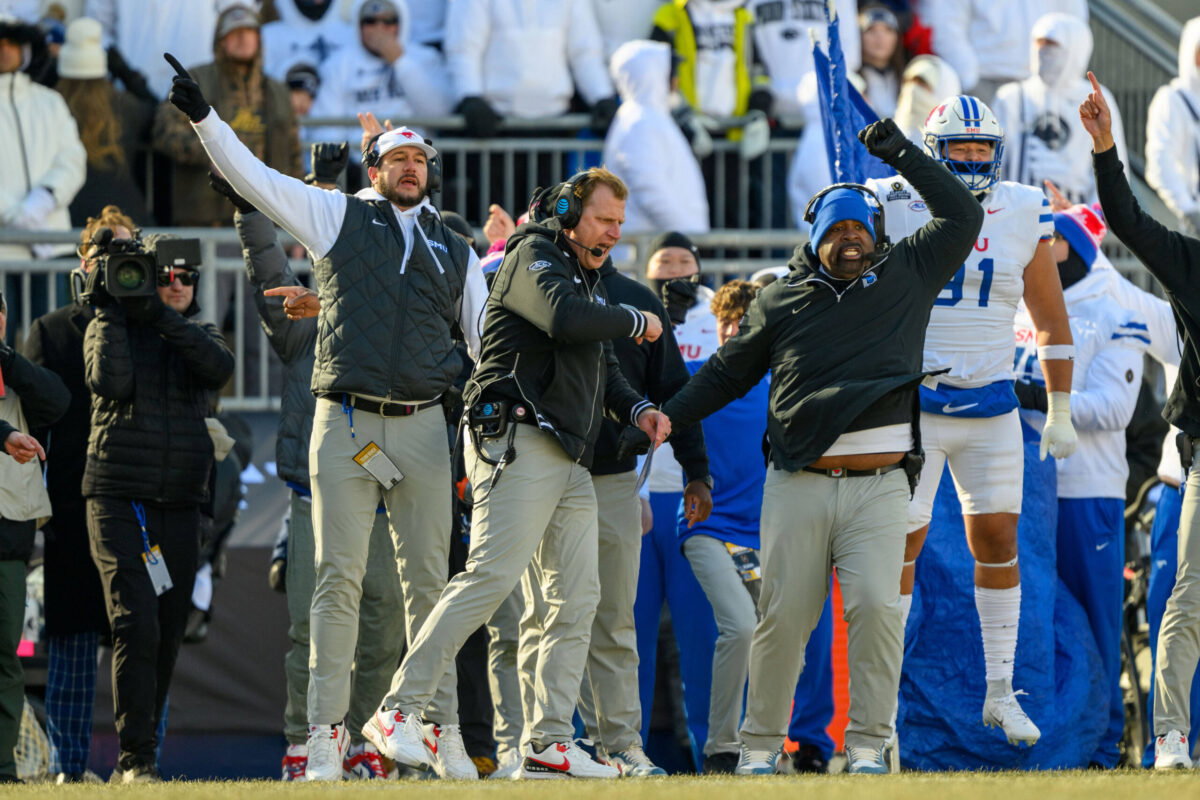
The Chargers rejected the revised terms, and the trade was called off. Chargers general manager Joe Hortiz said Denver had attempted to use the physical to negotiate a lower price after the teams had already reached an agreement. Head coach Jim Harbaugh, whose Chargers were 0–8 and widely expected to be sellers, also voiced frustration and called for the league to examine the process.
Harbaugh said the Broncos had tied their medical assessment to whether the Chargers would accept less compensation. Because Los Angeles would not agree to the reduction, the deal did not go through. He described the situation as a loophole that could set a bad precedent and urged the NFL to look into it.
Another failed deal involved the Cincinnati Bengals and Philadelphia Eagles. Cincinnati had agreed to acquire edge rusher Arnold Ebiketie from Philadelphia in exchange for a 2027 sixth-round pick. The Bengals later backed out after realizing that acquiring Ebiketie would cancel out a projected 2027 third-round compensatory pick tied to the loss of Trey Hendrickson in free agency.
The Detroit Lions and New York Jets also agreed to a trade involving safety Andre Cisco, but the teams subsequently changed the agreed-upon compensation. The adjustment added to concerns about how trade terms can shift after teams have reached an initial agreement.
Earlier in the offseason, the Las Vegas Raiders and Baltimore Ravens were unable to complete a deal for pass rusher Maxx Crosby after Crosby failed his physical. That case differed from the Henley dispute, but it contributed to broader discussion about the role medical evaluations should play in finalized trades.
These incidents have affected the teams involved in different ways and prompted coaches and executives to call for clearer enforcement. The Eagles and Chargers were reportedly frustrated with how their trade partners handled the agreements. Some front-office officials have argued that once teams agree to terms, neither side should be able to reopen negotiations.
One possible approach would be to prohibit teams from changing draft-pick compensation after agreeing to a trade. Under that system, if a player’s physical raised medical concerns, the acquiring team would have two choices: accept the original terms or void the trade. It would not be able to seek a discount based on the medical findings.
The details of any change have not been finalized. The Competition Committee is the NFL’s primary advisory body for reviewing matters such as playing rules, safety standards and competitive fairness. It can evaluate potential adjustments and make recommendations, but it cannot unilaterally change trade regulations.
Any formal rule change would require approval from all 32 teams through a vote by team ownership. The league office and Competition Committee therefore cannot enact new trade procedures on their own. Until owners consider and approve a proposal, teams will continue to operate under the existing system.
The committee’s upcoming discussion could help determine whether the NFL wants to make trade agreements more binding, clarify how physicals affect deals, or leave the current process in place. For now, the recent disputes have put post-agreement renegotiations under scrutiny and renewed calls for consistent rules across the league.