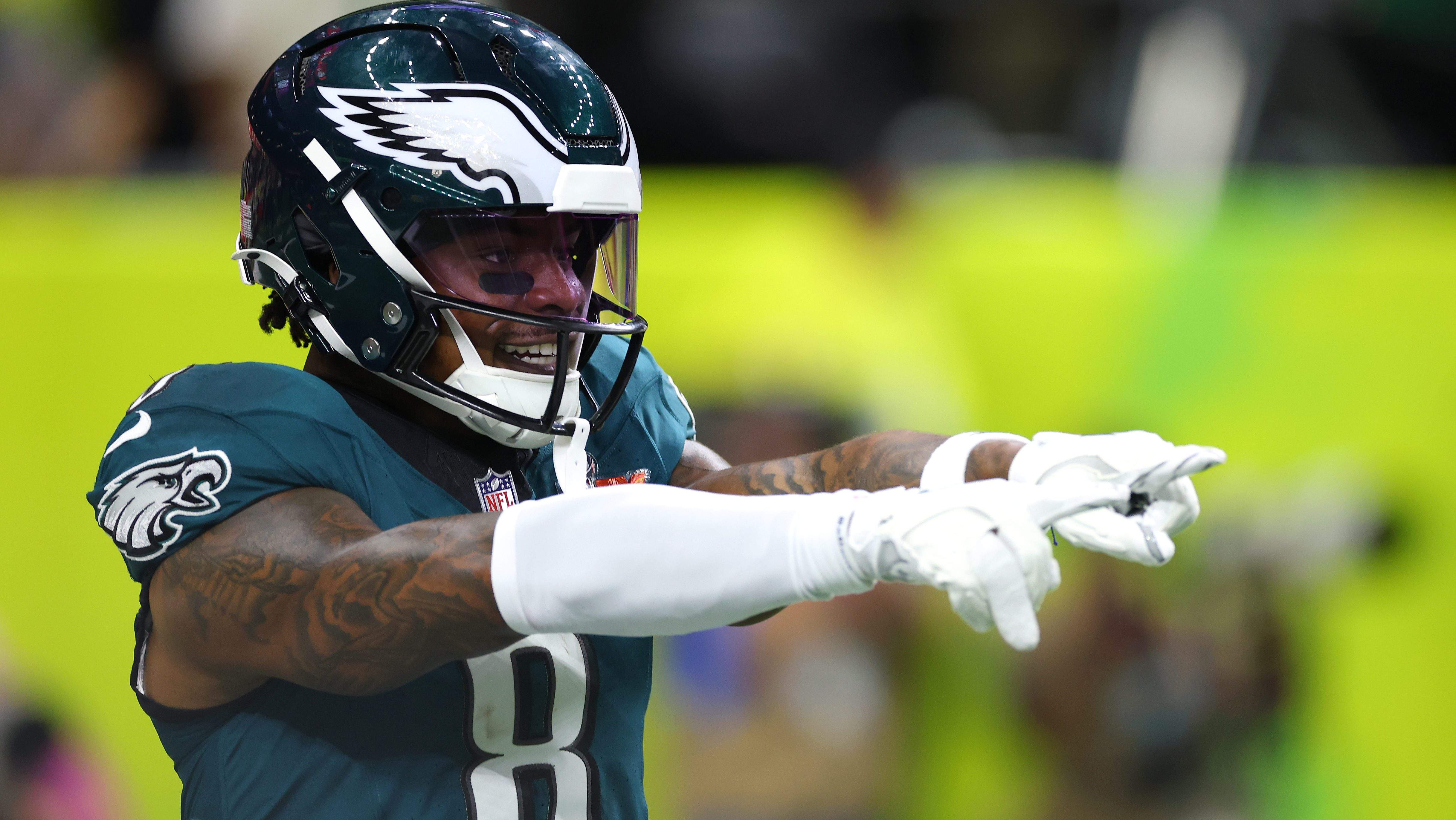
Former Seattle Seahawks running back Kenneth Walker III has been one of the NFL’s most productive players since joining the Kansas City Chiefs. His first notable regular-season injury concern comes ahead of Sunday’s game against the Atlanta Falcons.
On Friday, November 13, ESPN’s Adam Schefter reported that Kansas City listed Walker as questionable for the matchup. NFL Network’s Ian Rapoport reported that Walker is dealing with a groin injury. Walker missed Friday’s practice after experiencing groin tightness earlier that morning, and Chiefs coach Andy Reid said the team would continue evaluating him.
The update has renewed discussion about Seattle’s decision to let Walker leave in free agency. The Super Bowl LX MVP has rushed for 872 yards and seven touchdowns in eight games with Kansas City. At the same time, the injury concern has drawn attention to the workload management the Seahawks emphasized during his four seasons there.
## Walker’s Kansas City Workload Is a Significant Change
Walker has averaged 5.5 yards per carry and 109 rushing yards per game. Entering Week 11, his 872 rushing yards rank second in the NFL, behind Atlanta’s Bijan Robinson.
The Chiefs have given Walker a larger role than he typically had in Seattle. He has recorded 159 carries through eight games, averaging 19.9 per contest. In his final regular season with the Seahawks, he had 221 carries across 17 games, or 13.0 per game—a roughly 53% increase in his average rushing attempts.
Seattle often shared the backfield with Zach Charbonnet, who handled a substantial share of the offense, including third-down and red-zone opportunities. That approach limited Walker’s workload while keeping both running backs involved.
After Walker missed six games in 2024, the Seahawks carefully managed his recovery and workload entering the next season. He went on to play all 17 regular-season games for the first time in his NFL career. Walker wanted a larger role, and Kansas City has provided one.
His current injury does not establish that the increased workload caused the problem. Groin tightness can arise for many reasons, and the Chiefs have not said that Walker is facing a lengthy absence. Still, the situation raises a question about whether his expanded role is sustainable over a full season.
## Seattle’s Decision to Let Walker Leave in Free Agency
The Seahawks have faced criticism for allowing Walker to leave, particularly after Kansas City signed him to a lucrative three-year contract. The criticism intensified after his explosive debut against the Denver Broncos, when he rushed for 173 yards and a touchdown.
Seattle has struggled to replace Walker’s production, while he has become one of the league’s most dangerous offensive weapons. But his injury history was also part of the context: Walker missed games because of injuries in each of his first three NFL seasons. Seattle’s decision to pair him with Charbonnet reflected, at least in part, a desire to manage the workload of an explosive running back.
That approach became especially important during the Seahawks’ championship season. When Charbonnet suffered a torn ACL in the playoffs, Walker took on a featured role and delivered a Super Bowl MVP performance.
Seattle ultimately chose not to commit the kind of long-term money Kansas City offered and instead pursued a more affordable backfield built around multiple contributors.
It is too early to determine whether Seattle was right about Walker’s durability. One questionable designation does not diminish his eight outstanding games, nor does it resolve the Seahawks’ own rushing challenges. But his first regular-season injury concern with Kansas City is a reminder of why Seattle may have been cautious about his workload.
Sunday’s game against Atlanta will offer the next indication of whether Walker’s groin issue is temporary or something the Chiefs will need to manage going forward.