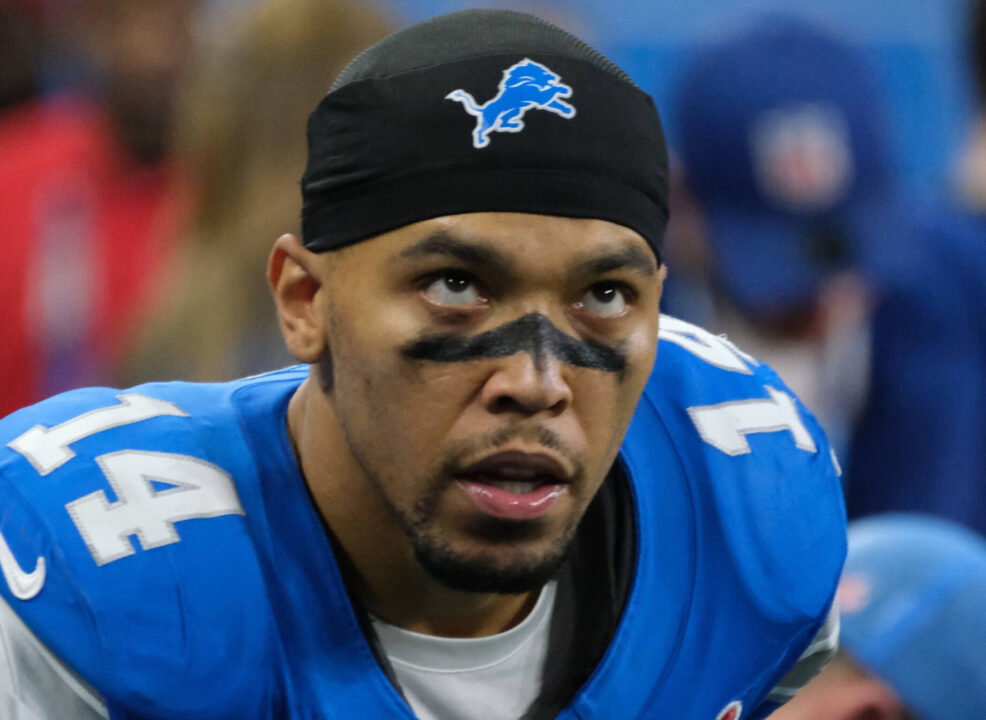
Cam Newton has never hidden his belief that he could still compete for a starting job. The former NFL MVP says that conviction—and his view of the legacy he wanted to leave behind—was why he declined the possibility of returning to the league as a backup quarterback.
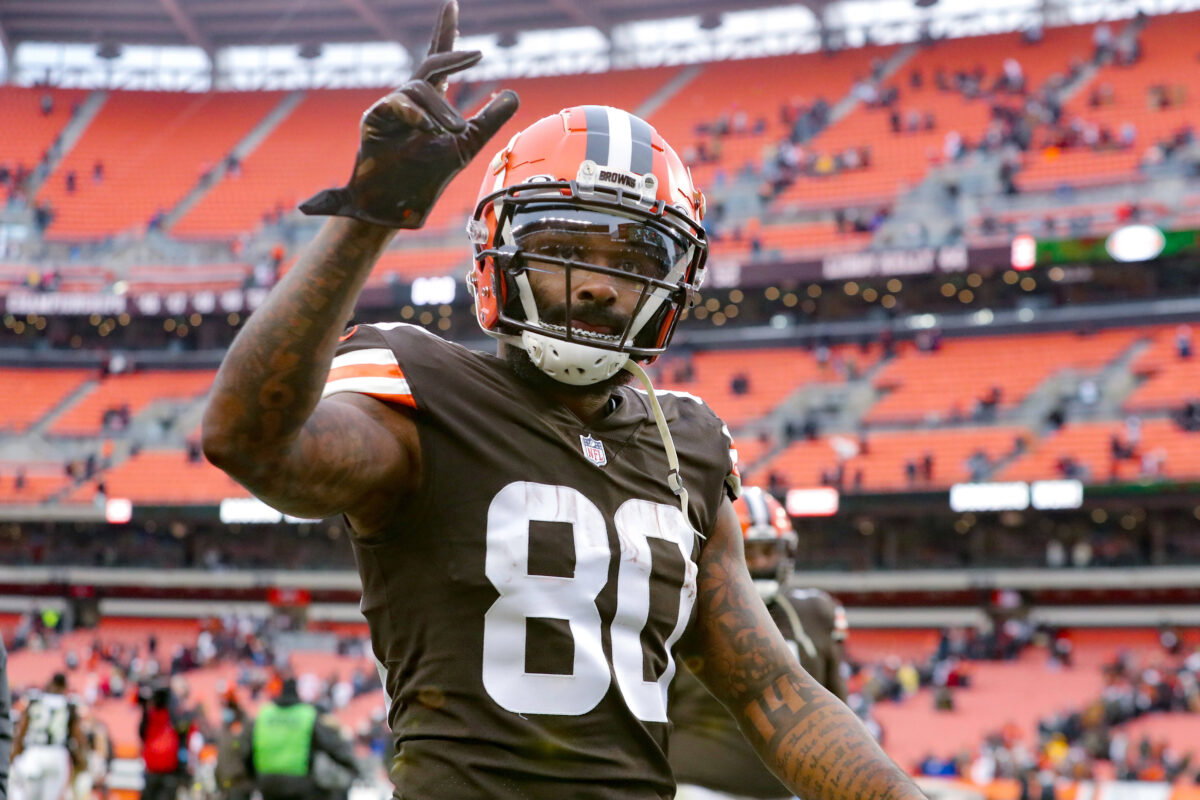
Newton revisited the subject while discussing Odell Beckham Jr.’s uncertain place on the Minnesota Vikings’ roster. Beckham was added to Minnesota’s 53-man roster before a Week 9 game against the Buffalo Bills, then released after the Vikings’ 23–6 loss and returned to the practice squad. His opportunities had been limited: he played just two snaps in the game and was not targeted.
Speaking on his podcast, *4th&1 with Cam Newton*, Newton criticized the idea of an established player being brought in without a genuine chance to compete. He said he had made his own position clear when teams considered him for a backup role.
“Can I compete? I can’t compete. You want me to just take the backup role? I’m not doing that,” Newton said. “I got way too much respect and standards for what I want my legacy to be. And that comes at no cost.”
Newton’s history helps explain why he viewed a reserve role as a difficult choice. The Carolina Panthers selected him first overall in the 2011 NFL Draft, and he spent most of his 11 NFL seasons with the franchise. In 2015, he earned the league’s Most Valuable Player award and became one of the NFL’s most recognizable players.
His career changed after injuries in 2018 and 2019. Carolina released him in 2020, leaving him to consider his options as a veteran quarterback. Other experienced passers accepted backup positions that same offseason: Jameis Winston signed a one-year contract with the New Orleans Saints to sit behind Drew Brees, while Andy Dalton joined the Dallas Cowboys on a one-year deal as Dak Prescott’s backup. Newton did not take the same route. In May 2020, he reportedly had no plans to sign with a team as a reserve.
After nearly three months as a free agent, Newton signed a one-year contract with the New England Patriots. He threw for 2,657 yards and eight touchdowns, his lowest totals outside the injury-shortened 2019 season. Newton acknowledged that the year had not gone as he hoped, but he did not give a definitive answer when asked in 2021 whether he would accept a backup role.
“Honestly, it’s too early to tell. That’s as honest as I can be,” he said during a weekly interview on Boston sports radio station WEEI. “Do I think I have starting talent? Absolutely.”
Newton also said he believed some of his accomplishments had been undervalued, particularly in the media. His comments reflected the gap between how he viewed his abilities and how teams might have assessed his role at that stage of his career.
He returned to Carolina later in 2021. At 32, Newton appeared in eight games and started five, losing each of those starts. That season became his final NFL campaign.
Over time, Newton showed some willingness to consider a backup position, but with conditions. He said he would accept the role behind certain quarterbacks, while he would seek an opportunity to compete for the starting job elsewhere. The names he listed included Deshaun Watson, Lamar Jackson, Justin Fields, Malik Willis, C.J. Stroud, Bryce Young, Anthony Richardson, Aaron Rodgers, Jalen Hurts, Josh Allen and Sam Howell.
Newton’s career remains notable for his accomplishments as a runner. NFL records place him second among quarterbacks in career rushing touchdowns, with 75, and third in career rushing yards, with 5,628.
His reluctance to settle into a long-term reserve role is not unique among veteran quarterbacks. Ryan Tannehill and Matt Ryan also stepped away from the league rather than pursue standard backup arrangements after losing their starting jobs late in their careers. Both had brief backup experience during their final seasons, but neither continued in a permanent reserve role. For accomplished players, the decision can involve more than simply staying on a roster: competitive pride, financial expectations and opportunities beyond football may all matter.
Beckham’s situation offers a different example of a veteran player trying to find a place on a team. After his brief appearance with Minnesota, he was released to make room for Kirk Cousins and was expected to return to the practice squad. Earlier in the season, Beckham had also received limited playing time in three games with the Giants.
Newton’s comments underline the distinction he draws between remaining in the NFL and remaining a starter. He has said he believed he still had starting ability, and he was unwilling to accept a backup job if it meant giving up the chance to compete.